

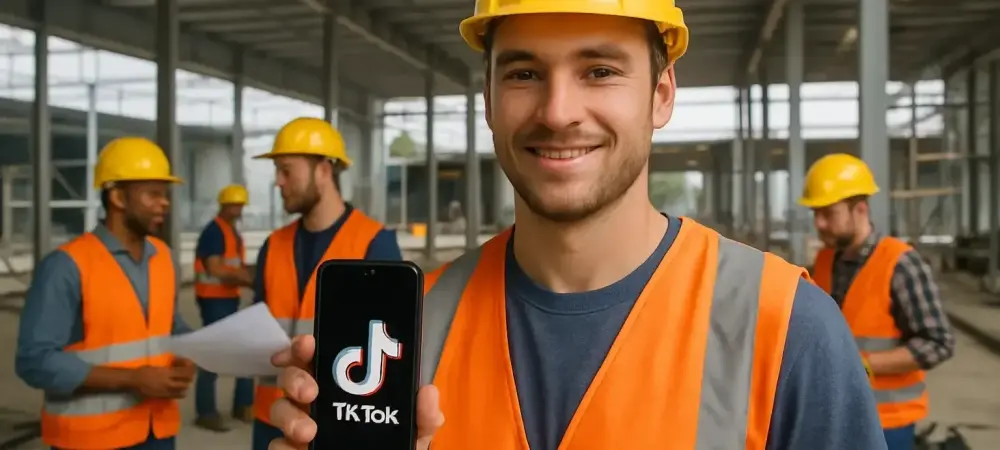
A New Frontier for Skilled Trades Recruitment
Imagine a world where a quick scroll through a social media app could lead to a life-changing career in construction, a field once thought to rely solely on word-of-mouth or job boards for hiring. TikTok, with its staggering user base of over 1.5 billion monthly active users, has emerged as an unexpected powerhouse in reshaping how young people, particularly from Generation Z, view skilled trades. This trend is not just a passing fad but a vital solution to chronic labor shortages in the construction industry, while also challenging outdated cultural biases that favor college degrees over hands-on professions. The discussion ahead will explore TikTok’s ascent as a recruitment platform, spotlight real-world examples of influencers making an impact, gather insights from experts, consider future possibilities, and wrap up with reflections on this digital shift.
The Rise of TikTok as a Recruitment Platform
Unmatched Growth and Precision Targeting
TikTok’s explosive growth has positioned it as a dominant force in social media, boasting a user base that spans the globe and engages deeply with content tailored by sophisticated algorithms. With a particular knack for reaching Generation Z—those born between 1997 and 2012—the platform’s ability to deliver personalized videos ensures that career-related messages about construction trades reach the right audience. Reports from industry analysts indicate that social media platforms like TikTok are increasingly being adopted for recruitment, especially in sectors like construction that face significant workforce gaps, highlighting a shift from traditional methods to digital outreach.
This targeted reach is not just about numbers but about impact. The construction industry, grappling with a shortage of skilled workers, finds in TikTok a cost-effective way to connect with young talent who might never have considered a trade career. The platform’s short-form video format allows for quick, engaging snippets that can spark interest in a matter of seconds, a stark contrast to lengthy job descriptions or career fairs that often fail to capture youthful attention.
Influencers Driving Real-World Change
Specific TikTok influencers have become pivotal in steering young viewers toward construction careers through compelling, authentic content. Chelsea Fenton, for instance, focuses on empowering women in trades, sharing her personal journey and practical advice with a largely female audience, breaking down gender barriers with every post. Her videos often highlight milestones like balancing work and family, resonating with viewers seeking relatable role models.
Similarly, Eddy Lopez captivates millions with DIY transformation videos that showcase the tangible results of construction skills, blending entertainment with education. His content often features before-and-after projects, subtly promoting the trade as both creative and rewarding. Meanwhile, Andrew Brown takes a different approach, emphasizing debt-free career paths in construction, appealing to youth disillusioned by the financial burdens of college with stories of six-figure incomes through apprenticeships and union jobs. These influencers collectively illustrate how varied storytelling styles—whether focused on diversity, practical skills, or financial benefits—can inspire a generation. Their authentic narratives turn abstract career options into vivid, achievable goals, making construction not just a job but a lifestyle worth pursuing on TikTok’s vibrant stage.
Voices from the Field: Expert and Influencer Insights
Personal Narratives Breaking Stereotypes
Insights from TikTok influencers reveal the profound impact of personal stories in reshaping perceptions of construction work. Chelsea Fenton often speaks about how sharing her experiences as a woman in the industry—navigating challenges and celebrating successes—has encouraged a diverse audience to consider trades as viable paths. Her focus on mentorship through videos offers a supportive entry point for newcomers hesitant about entering a male-dominated field.
Eddy Lopez, on the other hand, underscores the value of visual storytelling in making construction accessible, noting that his DIY content often sparks curiosity among viewers who never imagined themselves in such roles. Andrew Brown adds that his emphasis on financial independence through trades resonates deeply with young people burdened by student debt fears, positioning construction as a practical alternative. Together, their perspectives highlight how individual authenticity on TikTok can dismantle long-standing stereotypes.
Industry Leaders on Digital Engagement
Industry voices, such as Mark Hedstrom from the Skilled Careers Coalition (SCC), reinforce the effectiveness of TikTok’s format for engaging younger demographics. Hedstrom points out that the platform’s bite-sized, visually driven content aligns perfectly with how Generation Z consumes information, making it an ideal medium for authentic career advocacy. This approach contrasts sharply with outdated recruitment tactics like print ads or static websites that fail to capture modern attention spans.
Beyond individual efforts, there’s a shared recognition among experts that traditional hiring methods no longer suffice in addressing labor shortages. Digital platforms like TikTok bridge generational divides by meeting youth where they are, offering a dynamic space for dialogue and inspiration. This consensus underscores a broader shift toward embracing social media as a critical tool for workforce development in construction.
Future Outlook: TikTok’s Role in Shaping Construction Careers
Potential Evolution into Mainstream Recruitment
Looking ahead, TikTok’s role in construction recruitment could expand significantly, potentially becoming a standard tool across other industries facing similar workforce challenges. As more sectors recognize the platform’s ability to connect with young talent, construction might pave the way for a broader adoption of social media hiring strategies. This evolution could see companies directly partnering with influencers or creating branded content to highlight job opportunities. Such a shift promises benefits like increased diversity in trades, as platforms amplify voices from underrepresented groups, and a reduction in labor shortages through wider outreach. However, challenges loom, including the risk of content saturation where meaningful messages get lost in a sea of videos, or the spread of misinformation about job realities. Navigating these hurdles will require strategic content curation and verification efforts.
Broader Implications and Institutional Support
The implications of this trend extend beyond individual success stories to cultural and systemic changes in how skilled trades are valued. Initiatives like SCC’s Skills Jam, a collaboration with TikTok and SkillsUSA, exemplify how institutional partnerships can scale personal efforts into structured career pathways, offering young workers concrete steps from interest to employment. These programs could redefine recruitment by integrating social media with formal training.
Moreover, this digital movement might foster a societal pivot toward appreciating hands-on professions as equal to academic paths, reshaping educational priorities. As more youth engage with construction content on TikTok, the industry stands to gain a revitalized, diverse workforce ready to meet future demands, provided stakeholders continue to invest in authentic, impactful digital strategies.
A Digital Revolution Remembered
Reflecting on this transformative period, TikTok has carved a remarkable niche in construction recruitment by harnessing relatable content and strategic partnerships to inspire a new generation of skilled workers. This platform redefined how industries tackle labor shortages, proving that authentic storytelling can shift cultural perceptions and promote inclusivity in trades. The efforts of influencers and organizations alike demonstrated a powerful synergy between digital innovation and real-world needs. Moving forward, industry stakeholders should prioritize sustained investment in social media tools, fostering collaborations that ensure young talent finds clear, supported paths into construction. Embracing this digital momentum offers a blueprint for building not just structures, but a robust, inspired workforce for the future.