

The global technology landscape is currently undergoing a massive structural shift as major corporations pivot away from legacy headcount expansion toward a future defined by high-intensity artificial intelligence infrastructure and compute power. This movement, often described as the Great Calibration, signifies a moment where human-centric growth is no longer the primary indicator of a firm’s health. Microsoft’s recent decision to launch a massive voluntary exit program serves as the definitive bellwether for this industry-wide transition. By restructuring its massive workforce, the company is signaling that the era of rapid hiring has ended, replaced by a strategic focus on building the physical and digital foundations required for an AI-dominant world. Analyzing the financial drivers, organizational shifts, and the future of human-AI synergy reveals a corporate world in the midst of a profound identity change.
The Economic Drivers of Workforce Consolidation
Statistical Trends in Capital Reallocation
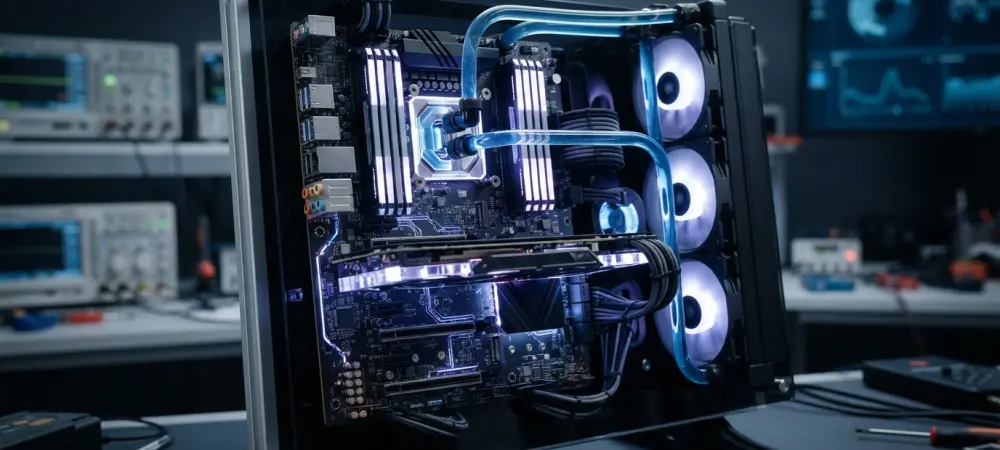
The financial motivation behind this consolidation is rooted in a paradox of high revenue and shrinking liquidity. Despite generating nearly $20 billion in free cash flow in the second quarter of 2026, the tech giant observed a 23% year-over-year decline in that specific metric. This dip is a direct consequence of the aggressive capital expenditures required to maintain a lead in the AI race. Billions of dollars are being redirected from payroll budgets into the construction of massive data centers and the acquisition of high-end hardware. Current data from 2026 to 2028 suggests that while traditional labor costs are being trimmed, investment in hardware infrastructure is surging, creating a new balance sheet priority where compute power competes directly with human capital.
Real-World Applications and Strategic Shifts
In a pragmatic application of this strategy, Microsoft has opened a buyout window for approximately 60,000 employees across the United States, Canada, India, and the United Kingdom. This initiative targets roughly 27% of its global workforce, focusing heavily on divisions like Xbox, Windows, and Finance. In contrast, the company is shielding its most critical growth areas, such as Security, Cloud, and AI Operations, from these cuts. By utilizing a voluntary program rather than sudden involuntary layoffs, leadership aims to mitigate the damage to company morale. This approach allows the organization to flatten its structure and shed legacy roles while retaining the flexibility to pivot resources toward the generative AI products that now define its market value.
Expert Perspectives on the AI Labor Shift
Industry analysts suggest that the current labor shift represents a fundamental trade-off between headcount and processing power. Moreover, there is an ongoing debate regarding whether this is a direct replacement of humans by machines or a necessary reallocation of funds to support a more innovative future. Chief People Officers are currently prioritizing the provision of career transition resources for departing staff, acknowledging that the skills required for the next decade differ significantly from those of the previous one. Experts argue that the goal is not necessarily to reduce the human element entirely, but to ensure that every remaining employee is amplified by the capabilities of the company’s AI-driven ecosystem.
Future Implications for the Tech Talent Market
As organizations move toward a lean tech model, the market is witnessing a permanent shift toward smaller, high-output teams supported by generative tools. This evolution is particularly challenging for mid-to-high-level management, as structures flatten to remove layers of bureaucracy. The reduction of staff at Level 70 and below suggests that even senior leadership roles are being scrutinized for their efficiency in an automated environment. While this brings the risk of losing valuable institutional knowledge, the potential reward is a significantly increased speed of innovation. Remaining workers must now focus on specialized AI roles, making upskilling the most critical survival strategy in a competitive labor market.
Conclusion: Navigating the AI-First Era
Navigating the AI-first era required a bold departure from traditional corporate management philosophies. The decision to prioritize infrastructure over broad headcount proved to be a necessary response to the financial pressures of the late 2020s. Leaders who successfully managed this transition focused on clear communication and robust support for exiting talent, which preserved the brand’s integrity. Organizations that adopted these lean models found themselves better positioned to integrate emerging technologies without the drag of outdated operational structures. Ultimately, the focus shifted toward a future where human ingenuity and machine efficiency worked in tandem to solve complex global challenges through specialized innovation and strategic organizational flexibility.