

As the post-pandemic workplace continues to evolve in 2025, a fierce tug-of-war persists between the allure of remote freedom and the push for return-to-office (RTO) mandates, leaving both employees and leaders grappling with tension. Picture a bustling city office where half the desks sit empty, not because of layoffs, but because employees are voting with their feet, choosing flexibility over forced commutes. This clash reflects a deeper shift in how work is defined, with profound implications for productivity, culture, and talent retention. The stakes are high as businesses navigate this new terrain, balancing the need for in-person collaboration with the demand for autonomy. This analysis dives into the evolving landscape of RTO strategies, exploring current trends, real-world applications, expert insights, and future implications for a workforce forever changed by recent global events.
The Evolution of Return-to-Office Policies
Current Trends and Adoption Data
Recent data paints a clear picture of RTO adoption across industries, with a significant number of companies leaning toward hybrid models. Industry reports indicate that as of this year, approximately 60% of organizations have implemented hybrid policies, blending in-office and remote work, while about 20% enforce full-time office attendance. This shift underscores a growing recognition that flexibility is no longer a perk but an expectation among employees.
Despite these adaptations, employee pushback against rigid mandates remains strong. Surveys reveal that over 70% of workers prioritize autonomy and flexibility in their job choices, with many expressing frustration over policies that ignore personal needs or family obligations. This resistance highlights a disconnect between traditional management approaches and modern workforce values, creating challenges for leaders aiming to fill office spaces.
An emerging concept gaining traction is the idea of “earning the commute.” Employers are increasingly tasked with justifying in-person attendance by creating value-driven workplaces that offer unique benefits, such as enhanced collaboration or mentorship opportunities, which cannot be replicated at home. This trend signals a pivot from compliance to contribution, reshaping how companies approach office mandates.
Real-World Applications and Case Studies
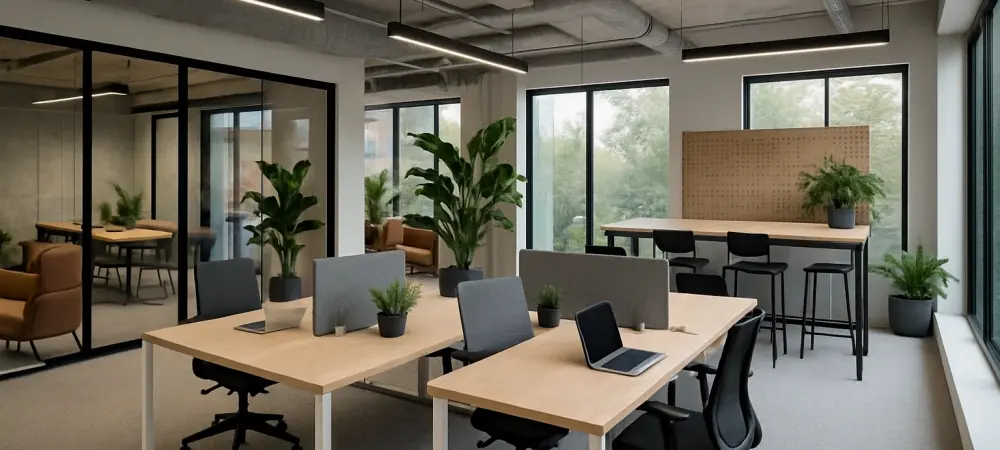
Several forward-thinking organizations are reimagining their office spaces to align with these new expectations, focusing on environments that foster collaboration and well-being. For instance, some have redesigned layouts to prioritize open, interactive areas over isolated cubicles, integrating elements like communal lounges and wellness rooms to build a sense of community among staff.
Attention to environmental factors plays a critical role in these transformations. Companies are investing in improved air quality, natural lighting, and ergonomic setups to enhance employee performance and comfort. Such intentional design choices demonstrate a commitment to creating spaces that employees find worth commuting to, turning potential resentment into appreciation.
Notable examples include tech giants and financial firms that have successfully balanced RTO with satisfaction by involving employees in the redesign process. By soliciting feedback on what makes an office appealing, these organizations have crafted policies and spaces that resonate with their teams, proving that strategic planning can transform mandates into competitive advantages.
Expert Perspectives on RTO as a Strategic Asset
Expert voices are reshaping the conversation around RTO, urging leaders to abandon outdated mindsets. Rachel Hodgdon, a prominent thought leader in workplace well-being, critiques the old “butts in seats” mentality as a relic of past management styles. Instead, she advocates for a focus on environments that inspire productivity through meaningful engagement rather than mere presence.
Another key insight from industry experts is the reframing of offices as performance infrastructure rather than cost centers. With human capital accounting for a vast majority of business expenses, investments in employee well-being—through thoughtful design and supportive policies—yield substantial returns in loyalty and output. This perspective encourages a long-term view of RTO as a driver of organizational success.
Tailoring strategies to diverse workforce needs also emerges as a critical theme. Experts emphasize accommodating generational differences and neurodiversity, recognizing that a one-size-fits-all approach alienates talent. By designing inclusive spaces and policies, companies can address varied expectations, ensuring that RTO initiatives resonate with a broad spectrum of employees.
Future Outlook for Return-to-Office Strategies
Looking ahead, RTO policies are likely to evolve further, with hybrid models becoming even more integrated through advanced technology that supports seamless remote and in-office collaboration. Innovations such as virtual reality meeting spaces and AI-driven scheduling tools could redefine how teams connect, making flexibility a permanent fixture in workplace planning.
Potential benefits of refined RTO approaches include stronger team cohesion and enhanced mentorship opportunities, which often thrive in face-to-face settings. However, challenges persist, including ongoing resistance to mandates and the rising costs of maintaining high-quality office environments. Balancing these factors will require careful strategy and consistent employee input.
The broader implications of strategic RTO design extend across industries, particularly in competitive talent markets. Companies that master the art of creating inspiring workplaces could gain a significant edge in attracting and retaining top performers. This trend suggests that office spaces may become a defining factor in employer branding, influencing how organizations are perceived by prospective hires.
Key Takeaways and Path Forward
Reflecting on the journey of RTO strategies, it became evident that the shift from compliance to contribution marked a pivotal change in workplace dynamics. Leaders who prioritized earning the commute through intentional design reaped benefits in employee engagement, while those clinging to outdated mandates often faced resistance and turnover.
The emphasis on well-being over mere attendance proved to be a cornerstone of successful policies. Organizations that invested in environments supporting mental and physical health saw not just filled seats but thriving teams, underscoring that loyalty and performance stemmed from purpose-driven spaces rather than forced presence.
As a next step, business leaders are encouraged to evaluate their current office setups with fresh eyes, identifying gaps in inspiration and functionality. Acting decisively to invest in redesigns that prioritize employee needs offers a clear path to gaining a competitive edge. This proactive approach ensures that workplaces evolve into destinations of choice, setting the stage for sustained success in an ever-shifting landscape.