

Introduction
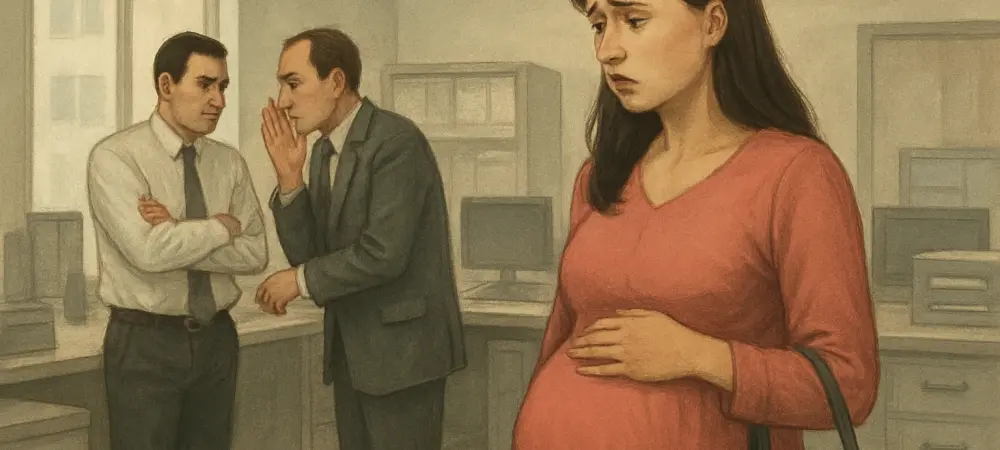
Imagine starting a new job with enthusiasm, only to be dismissed mere days later upon revealing a pregnancy, with the employer citing vague financial cutbacks as the reason for the termination. This scenario, faced by countless women across various industries, underscores a persistent and troubling issue in modern workplaces: pregnancy discrimination, which continues to undermine workplace equity despite robust legal protections, affecting morale and career trajectories. This analysis delves into current trends surrounding pregnancy discrimination, explores legal frameworks, examines real-world cases, gathers expert insights, and considers future implications while offering actionable takeaways for fostering fairer work environments.
Understanding the Scope of Pregnancy Discrimination
Prevalence and Evolving Trends
Recent data from the U.S. Equal Employment Opportunity Commission (EEOC) reveals a stark reality: thousands of pregnancy discrimination claims are filed annually, with over 2,500 cases reported in the most recent fiscal year. This figure highlights that, despite decades of legal safeguards, such bias remains a significant barrier for many working women. Reports from workplace advocacy groups further indicate a steady rise in claims over the past five years, reflecting not just persistent issues but also growing awareness among employees about their rights.
Beyond sheer numbers, evolving societal attitudes and stronger legal protections have contributed to increased reporting. Educational campaigns and social media have empowered more individuals to recognize and challenge discriminatory practices, a shift evident in the diversity of industries seeing complaints, from retail to tech. This trend suggests that while the problem persists, visibility and willingness to confront it are on the rise, pushing for systemic change.
A key driver of this awareness is the accessibility of information about legal rights, which has encouraged employees to document and report incidents more frequently. Studies by labor organizations show that younger generations entering the workforce are particularly vocal, often leveraging digital platforms to share experiences and seek support. This cultural shift is reshaping how pregnancy discrimination is perceived and addressed in professional settings.
Real-World Cases Illustrating the Issue
A prominent example of pregnancy discrimination comes from a recent EEOC lawsuit against a Florida-based dental laboratory company, where a new office assistant was allegedly terminated just days after disclosing her pregnancy. The employer claimed financial constraints as the justification, yet no evidence supported a sudden change in their economic situation during her brief tenure. This case exemplifies a recurring pattern of questionable timing and flimsy excuses often seen in such disputes.
Other notable instances span various sectors, such as a retail worker demoted shortly after requesting maternity accommodations and a tech employee denied a promotion following her pregnancy announcement. These anonymized cases, drawn from EEOC records, reveal how discrimination manifests not just in terminations but also in subtle career setbacks. The common thread across these stories is the proximity of adverse actions to pregnancy disclosures, raising red flags about employer intent.
Patterns like these underscore a broader issue: employers often mask bias with pretextual reasons, banking on the difficulty of proving discriminatory motives. Whether in manufacturing or corporate offices, the impact on affected employees is profound, often leading to financial strain and emotional distress. These examples serve as a reminder that pregnancy discrimination is not an isolated problem but a systemic challenge requiring vigilance and accountability.
Legal Frameworks and Enforcement Insights
Key protections against pregnancy discrimination are enshrined in Title VII of the Civil Rights Act of 1964, as amended by the Pregnancy Discrimination Act (PDA), which explicitly prohibits employers from treating employees unfavorably due to pregnancy or related conditions. These laws mandate equal treatment in hiring, promotions, and terminations, ensuring that pregnancy does not become a barrier to professional opportunities. Understanding these rights is crucial for both employees and employers navigating workplace policies.
Legal experts emphasize the importance of concepts like temporal proximity—where adverse actions closely follow a pregnancy disclosure—as evidence of potential discrimination. EEOC officials often highlight that scrutinizing an employer’s stated reasons for such actions is equally critical, as dubious justifications can reveal underlying bias. This dual focus on timing and motive forms the backbone of many successful claims, providing a framework for courts to assess fairness.
However, enforcement faces significant hurdles, with judicial interpretations varying widely across jurisdictions. Some courts view a short gap between disclosure and termination as strong evidence of bias, while others, as seen in a recent appellate ruling, consider longer intervals insufficient to establish causality. These inconsistencies complicate legal battles and underscore the need for clearer guidelines to ensure consistent protection for pregnant workers nationwide.
Looking Ahead: The Future of Workplace Protections
Anticipating the trajectory of workplace protections, potential advancements in legislation could include expanded maternity leave policies or harsher penalties for violations, aimed at deterring discriminatory practices. Advocacy groups are pushing for federal reforms to close existing gaps, such as limited coverage for gig workers or small business employees. If enacted, these changes could redefine employer obligations over the next few years, fostering greater equity.
Yet, challenges loom large, with some employers likely to resist stricter regulations due to perceived costs or operational burdens. Industries reliant on temporary or contract labor may face particular difficulties in adapting to enhanced protections, potentially widening disparities. Balancing business needs with employee rights will remain a contentious issue, requiring nuanced policy solutions to address diverse workplace dynamics.
The broader implications of these trends extend beyond individual cases, influencing organizational accountability and employee well-being. As protections strengthen, companies may need to invest more in diversity training and transparent policies to mitigate risks of litigation. Ultimately, the push toward fairer workplaces promises to reshape corporate cultures, prioritizing inclusivity as a core value in the evolving labor landscape.
Conclusion and Call to Action
Reflecting on the persistent challenge of pregnancy discrimination, the journey through legal battles, such as the notable case involving a Florida dental lab, alongside expert analyses, paints a picture of both progress and ongoing struggles. The examination of evolving trends and judicial nuances reveals that while awareness has grown, systemic barriers endure. Looking back, the critical insights from these discussions highlight a clear need for sustained effort to combat workplace bias. Moving forward, stakeholders are urged to champion legislative reforms that bolster protections for pregnant employees, ensuring no one faces career setbacks due to family planning. Employers are encouraged to adopt proactive measures, like regular policy reviews and anti-bias training, to prevent discrimination before it occurs. For lasting change, society is prompted to prioritize education on workplace rights, empowering individuals to advocate for fairness and support those affected by such injustices.