

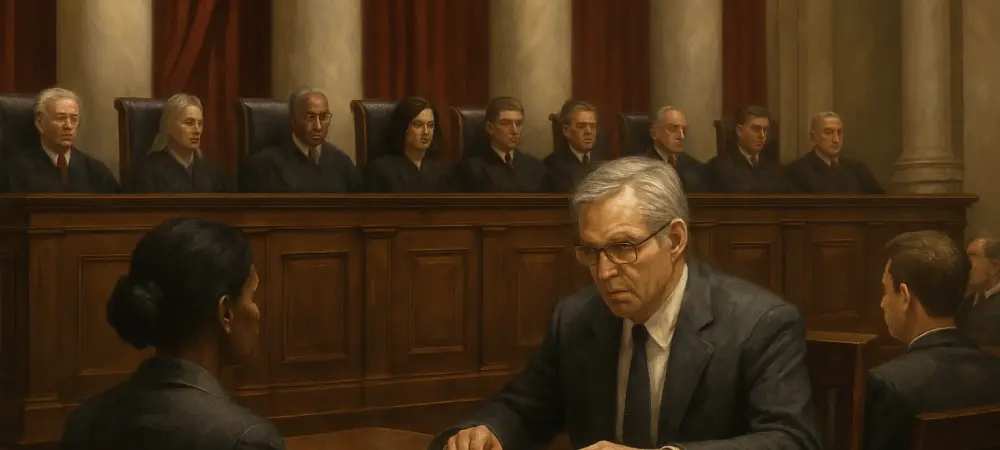
I’m thrilled to sit down with Ling-Yi Tsai, a renowned HRTech expert with decades of experience in transforming organizations through innovative technology. Her expertise in HR analytics and talent management integration offers a unique perspective on the intersection of law, policy, and workplace dynamics. Today, we’re diving into the U.S. Supreme Court’s challenging new term, focusing on pivotal employment law cases and their broader implications. Our conversation explores the balance of executive power, the evolving precedent on agency leadership, religious accommodations in the workplace, and the impact of pension fund rulings on employers, all while unpacking how these legal battles could reshape the HR landscape.
Can you walk us through the major cases on the Supreme Court’s docket this term and what makes them so significant for employment law?
Absolutely, Caitlyn. This term is particularly intense for the Supreme Court, with a lineup of cases that could redefine key aspects of employment law and executive authority. We’re looking at cases tied to presidential power over executive appointees, challenges to long-standing precedents like Humphrey’s Executor from 1935, and critical employment issues such as religious exemptions for vaccine mandates and pension fund liabilities. What makes these cases stand out is not just their legal complexity but their potential to shift how power is balanced in government and how employers navigate compliance and employee rights. On top of that, the Court is under intense public scrutiny, with trust in the judiciary at a low point, which adds a layer of pressure to their rulings.
Why is the case related to Trump v. US considered a landmark for presidential authority over the executive branch?
The Trump v. US ruling is a cornerstone because it essentially grants the president broad, almost unchecked power over the executive branch, including the ability to terminate executive appointees without restriction. This case is pivotal as it tests whether there are any limits to that authority. If the Court reaffirms or expands this precedent, it could mean the president has near-total control over who serves in these roles, potentially sidelining Congress’s ability to impose checks and balances. For HR and legal teams, this could translate into rapid policy shifts within agencies, affecting everything from labor regulations to enforcement priorities.
Focusing on the Slaughter case with the Federal Trade Commission, what could happen if the Court decides to overrule Humphrey’s Executor?
Overruling Humphrey’s Executor would be a seismic shift. That 1935 precedent established that leaders of certain quasi-legislative or quasi-judicial bodies can only be removed for cause, protecting their independence. If the Court reverses this in the Slaughter case, agency heads could become at-will employees, meaning a president could fire them at any time for any reason. This would likely lead to greater presidential influence over agency policies, as leaders might feel pressured to align with the administration’s agenda to keep their jobs. It could also impact administrative law judges, who might face termination for rulings that conflict with executive priorities, undermining their impartiality.
Let’s dive deeper into Humphrey’s Executor itself. Can you explain what this precedent originally meant and why it’s under fire now?
Sure, Humphrey’s Executor, decided in 1935, was a landmark ruling that said Congress could limit the president’s power to remove members of certain independent agencies, like the Federal Trade Commission, by requiring cause for dismissal. It was meant to ensure these bodies could operate without constant political interference. Today, it’s being challenged because there’s a growing push, especially in some political and legal circles, to consolidate executive power. Critics argue that such restrictions hinder a president’s ability to execute their agenda, especially in a polarized climate where control over agencies can shape policy outcomes. This tension reflects broader debates about the separation of powers in our government.
Turning to specific employment law disputes, what’s at stake in the ERISA case involving M & K Employee Solutions and multi-employer pension funds?
The M & K Employee Solutions case is a big deal for employers involved in multi-employer pension plans. It centers on how withdrawal liabilities are calculated when a company exits such a fund. These liabilities can be massive, and the outcome of this case could redefine the financial burden on employers, potentially making it more or less costly to withdraw. For HR and finance teams, this isn’t just a legal issue—it’s a strategic one. A ruling that increases liability could discourage participation in these funds or push companies to restructure their benefits offerings, impacting employees’ retirement security.
Another case grabbing attention is Does 1-2 v. Hochul, regarding religious exemptions for COVID-19 vaccine mandates. Why is this so important for employers and employees alike?
This case is incredibly relevant because it pits individual religious beliefs against public health mandates, specifically around COVID-19 vaccines for healthcare workers in New York. The workers argue that denying religious exemptions violates Title VII of the Civil Rights Act, which requires employers to accommodate sincerely held beliefs unless it causes undue hardship. For employers, this case could clarify what “undue hardship” really means in practice, especially in high-stakes industries like healthcare. For employees, it’s about protecting their rights to religious expression. With vaccine mandates still a hot topic, the ruling could set a precedent for how similar conflicts are handled in the future.
How do you see the balance between religious accommodations and workplace policies evolving after cases like Hochul are decided?
I think we’re heading toward a more nuanced landscape. Courts, especially this Supreme Court, have shown a strong inclination to prioritize religious freedoms in recent years. If that trend holds in Hochul, we might see stricter scrutiny of employer policies that don’t offer robust accommodations. However, this could create challenges for HR teams in balancing individual rights with operational needs, especially in sectors where safety is paramount. Employers will likely need to invest more in training and legal guidance to navigate these waters, ensuring policies are both compliant and equitable while still meeting business goals.
What’s your forecast for the broader impact of this Supreme Court term on employment law and workplace dynamics?
Looking ahead, I believe this term could be a turning point for employment law. If the Court leans toward expanding executive power, we might see more volatility in federal agency policies, which directly affects workplace regulations. On the religious accommodation front, a pro-exemption stance could push employers to rethink mandate policies, not just for vaccines but for other areas of conflict. Meanwhile, rulings on pension liabilities will influence how companies structure benefits, potentially reshaping employee retention strategies. Overall, HR leaders should brace for change and stay proactive—whether it’s updating compliance frameworks or leveraging technology to track legal shifts. The ripple effects of these decisions will likely be felt for years to come.