

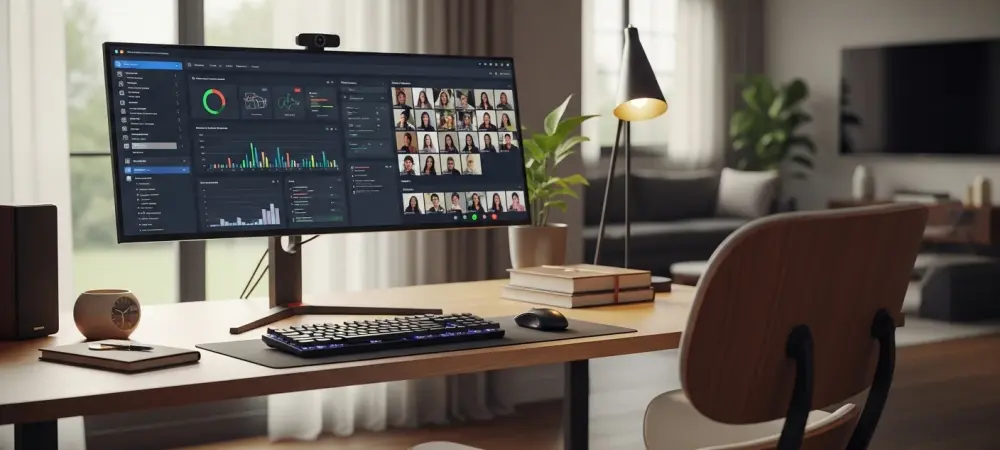
The fundamental nature of professional commitment underwent a radical transformation as the traditional office-centric model gave way to a decentralized landscape where digital interaction defines the standard of excellence. This transition from a physical proximity model to a distributed framework has forced organizational leaders to reconsider how they define, measure, and encourage active participation within their workforces. In the current 2026 environment, reliance on visual cues or desk time as indicators of productivity has become obsolete, replaced by a sophisticated need for results-oriented management. Organizations that fail to adapt to this reality risk alienating their most talented contributors, who now prioritize flexibility and psychological safety over the rigid structures of the past. Success in this new era requires a proactive approach where engagement is not merely a byproduct of social interaction but a carefully engineered component of the daily workflow, sustained by trust and clear alignment with the company’s broader strategic objectives. This evolution necessitates a shift from passive oversight to a strategic design of the digital employee experience, ensuring every individual feels valued and connected.
Optimizing the Digital Experience: Reducing Friction
The technical infrastructure provided to a distributed workforce serves as the primary gateway to their professional reality, acting as either a catalyst for innovation or a significant source of frustration. To strengthen engagement, organizations must prioritize the identification and mitigation of “digital friction,” which encompasses the cumulative exhaustion caused by system latency, redundant software, and the constant cognitive load of switching between disparate applications. When employees are forced to navigate a fragmented digital ecosystem, their mental energy is diverted away from meaningful contributions, leading to a rapid decline in morale and an increased risk of burnout. Leaders are now implementing streamlined workflows that consolidate essential functions into unified interfaces, thereby reducing the “toggle tax” that often plagues the remote workday. By ensuring that technology serves the user rather than complicating their tasks, companies create a frictionless environment where high-level performance becomes the natural path of least resistance for everyone.
Artificial Intelligence has emerged as a cornerstone in personalizing this digital workspace, allowing organizations to move away from rigid, standardized environments that often ignore individual working styles. In 2026, sophisticated platforms leverage machine learning to analyze collaboration patterns and offer tailored workload cues that align with an employee’s specific peak productivity windows. For instance, a system might suggest complex analytical tasks during a developer’s high-focus hours while scheduling administrative requirements for periods of lower cognitive intensity. This level of personalization makes the remote experience feel more human-centered, acknowledging that a one-size-fits-all approach is insufficient for a diverse and geographically dispersed team. By respecting these biological and professional rhythms, organizations demonstrate a commitment to the well-being of their staff, which in turn fosters a deeper sense of loyalty and engagement. This shift toward intelligent, adaptive tools ensures that the digital office feels like a supportive partner in the employee’s success.
Redesigning Career Growth: Ensuring Visibility
One of the most persistent challenges in a distributed environment is the “out of sight, out of mind” phenomenon, which can inadvertently stifle the career progression of remote contributors. Engagement is intrinsically linked to an individual’s perception of their long-term value and future opportunities within the organization, making visibility a top priority for leadership. To combat this, companies are adopting skills-based workforce strategies that utilize internal talent marketplaces to match employees with high-impact projects regardless of their physical location. These systems provide a transparent view of available opportunities, ensuring that a staff member in a home office has the same access to “stretch” assignments as someone located near the headquarters. By decoupling career advancement from physical presence, organizations create a more equitable culture where merit and skill are the sole drivers of success. This approach not only empowers the individual but also allows the company to tap into a broader range of internal expertise that might otherwise remain hidden. AI-driven career pathing platforms further enhance this visibility by providing employees with data-backed roadmaps that identify the specific skills and experiences needed for their next professional milestone. These platforms can suggest relevant mentorship pairings or specific internal training modules based on the individual’s current trajectory and the organization’s evolving needs. When employees can clearly see an accessible path for advancement that is supported by objective data, their commitment to the organization deepens significantly. This transparency eliminates the ambiguity that often leads to disengagement among remote workers who might otherwise feel overlooked during promotion cycles. Furthermore, by making these growth opportunities visible to everyone, leadership reinforces a culture of continuous learning and internal mobility. This strategic focus on development ensures that the distributed workforce remains highly motivated and aligned with the company’s long-term vision, transforming the remote experience into a platform for professional excellence.
Fostering Autonomy: The Shift to Asynchronous Communication
A reliance on constant synchronous communication, characterized by back-to-back video conferences and immediate messaging expectations, often serves as a significant deterrent to sustained engagement. Leading organizations in 2026 have recognized that excessive meetings disrupt the “deep work” required for complex engineering and creative tasks, leading to a shift toward an “async-first” communication philosophy. This model prioritizes comprehensive documentation and centralized knowledge sharing, allowing team members to consume information and provide input on their own schedules across various time zones. By reducing the frequency of live meetings, companies respect the time and focus of their employees, which is a powerful driver of job satisfaction and retention. This documentation-heavy approach also creates a more resilient institutional memory, ensuring that critical insights are not lost in transient conversations but are accessible to the entire team at any moment, regardless of their location or current working hours. This transition toward asynchronous operations requires a fundamental foundation of trust, moving away from traditional surveillance-based management styles toward an outcome-oriented framework. When work is designed around clear ownership and specific deliverables, employees feel empowered to manage their own time and prioritize their tasks without the pressure of constant digital presence. This autonomy is one of the most highly valued aspects of the modern employee experience, as it allows individuals to balance professional responsibilities with personal lives more effectively. Furthermore, when synchronous meetings do occur, they must be intentionally designed to be inclusive, ensuring that remote participants have an equal voice and presence compared to those physically in a room. Avoiding a “headquarters-centric” bias in communication prevents the erosion of belonging that often occurs when remote staff feel like secondary observers. By fostering a culture of trust and intentional interaction, organizations build a more cohesive and engaged distributed team.
Human Connection: The Role of Intentional Mentorship
While technological tools facilitate the logistical aspects of work, they cannot fully replicate the spontaneous human connections that historically occurred in physical office settings. Leaders must therefore be highly intentional about building relationships, particularly through structured mentorship programs that pair new hires with experienced veterans to navigate the company’s cultural nuances. These relationships serve as a vital bridge for remote employees, helping them build the social capital necessary to feel integrated into the larger organizational fabric. Without the benefit of “water cooler” conversations, companies are creating virtual equivalents—informal digital spaces and themed gatherings that are not centered on specific tasks but on shared interests and personal connection. These interactions help to humanize the workplace, reducing the sense of isolation that can sometimes accompany remote work and reinforcing the idea that every employee is part of a supportive community rather than just a node in a network.
Management strategies are also evolving to prioritize the emotional and professional well-being of the individual through a more high-touch, empathetic leadership style. Frontline managers in 2026 receive specialized training in conducting digital one-on-ones that go beyond status updates to explore the employee’s challenges, aspirations, and overall mental health. Since remote workers lack the informal feedback loops present in a physical office, managers utilize sophisticated coaching tools to provide real-time, personalized development recommendations. This approach ensures that employees feel seen and supported even when they are working in physical isolation, fostering a psychological safety net that encourages innovation and risk-taking. By investing in the “human side” of management, organizations create a culture where individuals are not just productive units but valued members of a collective mission. This intentional focus on relationship-building and support serves as a powerful anchor for engagement in a distributed environment, ensuring long-term stability and team cohesion.
Operational Transparency: Recognition and Purpose
Engagement in a distributed environment relies heavily on a shared sense of purpose and a clear understanding of how individual tasks contribute to the organization’s broader objectives. Leaders are increasingly using transparent methodologies to connect daily contributions—such as a specific block of code or a marketing campaign—to the global problems the company is solving for its customers. When a staff member can trace the impact of their work from their local workstation to a tangible improvement in a client’s life, their sense of ownership and motivation increases significantly. This operational transparency eliminates the feeling of “working in a vacuum” that often plagues remote teams, replacing it with a narrative of collective achievement and meaningful impact. By making the connection between effort and outcome explicit, organizations ensure that every team member understands their specific role in the company’s success, which is essential for maintaining high levels of engagement over the long term.
The implementation of these diverse engagement strategies served as a catalyst for a more resilient and integrated corporate culture that prioritized the human element above all else. Organizations successfully navigated the complexities of 2026 by moving beyond superficial metrics of productivity and focusing on the underlying drivers of employee satisfaction and professional growth. Leaders who championed transparency, autonomy, and intentional connection found that their distributed teams were not only more productive but also more innovative and loyal. Future considerations for these teams involved the continued refinement of AI-assisted management and the expansion of global talent networks that thrived on inclusivity and trust. By treating the transition to remote work as an opportunity for cultural evolution rather than a logistical hurdle, companies built a foundation for sustained excellence. The final success of these initiatives was reflected in a workforce that felt empowered to perform at its peak, regardless of geographic distance, ensuring that the organization remained competitive in an ever-changing landscape.