

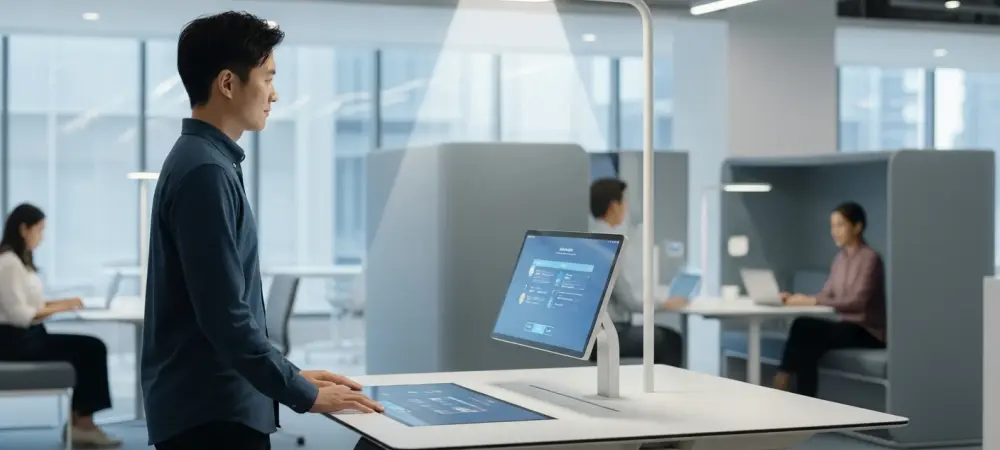
With decades of experience helping organizations navigate change, HRTech expert Ling-Yi Tsai has a unique perspective on the intersection of people, property, and technology. As companies rethink the very purpose of the office, she focuses on how smart, intentional tech investments can transform a simple building into a dynamic, engaging workplace. We’ll explore how to make these tech investments count for employees, the move toward a “hospitality-core” office model, the practical application of high-end collaboration tools, and how to harness data to drive tangible business results.
The report notes that 70% of real estate leaders are using technology to guide their strategy. Beyond just identifying trends, what practical steps can leaders take to ensure these tech investments actually boost employee engagement, and how do they measure that impact?
It’s fantastic that 70% of leaders are leaning on technology for strategy, but the real magic is in the execution. The biggest mistake is buying the shiniest new tool without first understanding the human problem it’s supposed to solve. A practical first step is to create a direct feedback loop. Before you roll out a new desk-booking app or room scheduler, survey the teams that will use it. Ask them about their frustrations. After implementation, survey them again. Are meetings starting faster? Do they feel more connected to their hybrid colleagues? That qualitative data is gold. You then pair it with quantitative metrics like adoption rates or even the reduction in IT support tickets to see a full picture of its value.
Your report highlights 8K Micro-LED walls for improving hybrid collaboration. Can you share an anecdote of a company that successfully integrated these or similar high-resolution displays? What was the step-by-step process and what specific collaboration metrics improved as a result?
I worked with a creative agency that was really struggling with this. Their hybrid brainstorming sessions felt completely disjointed, with remote participants feeling like they were just tiny heads in boxes, unable to see the details on the whiteboards. They started by piloting a single 21.9 ultrawide display in their main project room. The process was simple: they identified the highest-value use case—client presentations and creative reviews—and focused the investment there. The immediate feedback was sensory; people felt the difference. They could see facial expressions clearly, and the ability to share a high-resolution design file next to a life-sized video feed of the client made the collaboration feel seamless and real. They saw their average meeting times for creative reviews decrease because approvals happened faster, with fewer misunderstandings.
The article suggests transforming offices into “hospitality-core” destinations to act as talent magnets. Could you describe the initial, most impactful changes a company can make—like implementing a concierge app or redesigning lounges—and how they can track if these changes are successfully attracting and retaining talent?
The most impactful change isn’t always the most expensive one; it’s about shifting the mindset from a place of work to a place of experience. A great first step is redesigning the entry. Instead of a sterile security desk, create an immersive area that feels welcoming and inspiring from the moment someone walks in. Another easy win is implementing a simple concierge app that handles the little frictions of the day, like booking a quiet room or ordering lunch. You track success by looking at the data. Is voluntary office attendance increasing? Are you seeing a rise in cross-departmental meetings being booked in these new lounge spaces? In exit interviews, you can even ask directly about the workplace environment’s role in an employee’s decision to stay or leave. These spaces become a powerful, tangible part of your employer brand.
The report emphasizes using occupancy and space utilization data for operational decisions. What common mistakes do companies make when first interpreting this data, and can you walk us through an example of how combining these metrics with a smart building platform leads to a tangible business outcome?
A common mistake is looking at a single data point in isolation. For instance, a leader sees low desk occupancy on a Tuesday and immediately concludes they have too much real estate. But they fail to see that all the collaboration spaces and focus rooms on that same floor were booked solid from 9 to 5. They’re solving the wrong problem. A smarter approach is to combine that space utilization data with a smart building platform. I saw a company do this brilliantly. They layered their occupancy data over their HVAC energy consumption data. They discovered they were fully heating and cooling two entire floors that were only ever 15% occupied. By consolidating teams onto other floors and creating more of the in-demand collaboration zones, they not only cut their energy bill significantly but also increased employee interaction and satisfaction.
What is your forecast for workplace experience technology?
My forecast is that it will become invisible, predictive, and deeply personal. We’ll move beyond discrete apps and tools into a fully integrated smart building ecosystem that anticipates our needs. Imagine walking into the office and your pre-booked desk is already adjusted to your preferred height, with the lighting and temperature set just how you like it. The platform will know your project teams and suggest a collaborative neighborhood for your group to work in that day, fostering connection without anyone having to plan it. The ultimate goal isn’t just efficiency; it’s about creating environments that proactively support our well-being and empower us to do our best work, making the workplace a destination people truly want to be a part of.