

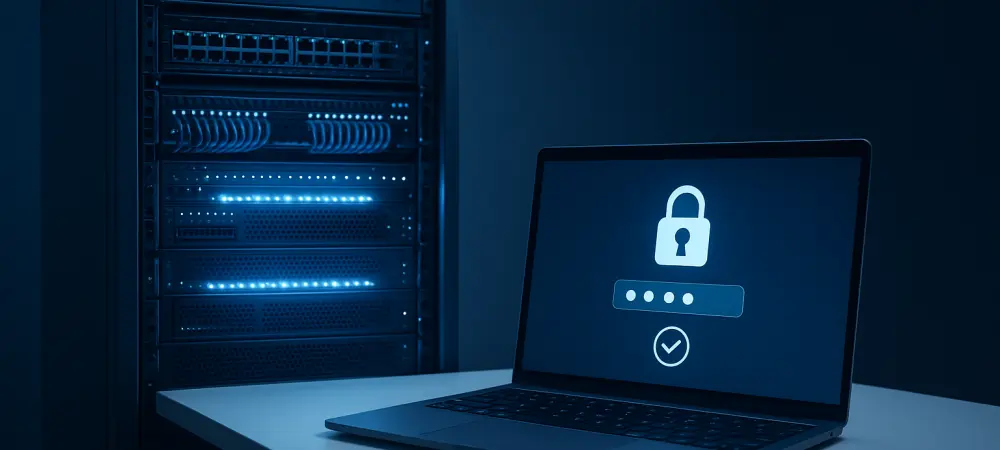
The rapid convergence of human capital management and cloud-based architecture has fundamentally redefined the modern workplace, turning the human resources department into a high-stakes command center for enterprise data integrity. The transition from paper-heavy administration to a digital-first organizational nerve center has been swift, requiring a total overhaul of legacy processes. Today, the HR technology stack comprises essential pillars like Applicant Tracking Systems, Human Resource Information Systems, and various platforms for payroll and learning management. These integrated tools allow for a seamless transition throughout the employee lifecycle, though they also demand a higher level of technical oversight. As the primary custodians of sensitive enterprise data and digital infrastructure, HR teams now play a critical role in maintaining the security of an organization. There is a profound interplay between operational efficiency and the necessity of sophisticated account management, where the ability to manage access levels determines the safety of personal and financial information. This strategic importance forces a departure from purely administrative tasks toward a model focused on data governance and system resilience.
The Evolution of the HR Digital Ecosystem and its Strategic Importance
The shift toward a digital-first organizational structure has effectively eliminated the traditional reliance on physical documentation, positioning the HR department as the central nerve center for corporate operations. Identifying the pillars of the HR tech stack reveals a complex network of software designed to manage everything from recruitment to retirement. When these systems work in harmony, they provide a comprehensive view of the workforce, but they also represent multiple entry points that must be secured against internal and external threats.
The critical role of HR as the primary custodian of sensitive data necessitates a sophisticated approach to digital infrastructure management. Operational efficiency is no longer the only metric of success; cybersecurity has become a mandatory component of daily workflows. Consequently, the necessity of sophisticated account management has moved to the forefront of organizational strategy, ensuring that only authorized personnel can access the most sensitive layers of the corporate database.
Prevailing Industry Trends and Market Trajectories
Technological Influences and the Shift Toward Security-First Productivity
Contemporary organizational philosophies have transitioned from viewing security as a bureaucratic barrier to acknowledging it as the very foundation of productive workflows. Productivity is no longer measured solely by the speed of task completion but by the reliability and safety of the environment in which those tasks occur. This mindset has encouraged the adoption of smarter secondary tools and temporary verification services, which allow for the testing of new software and the onboarding of personnel without exposing permanent corporate communication channels to unnecessary risk.
Furthermore, the persistent demand for hybrid and remote work environments has forced a widespread migration toward cloud-native HR solutions that offer flexibility without sacrificing control. Employees now expect instant, secure access to their benefits, professional development resources, and performance metrics from any location. This shift has redefined the digital employee experience, making seamless and secure access a key factor in overall job satisfaction and organizational loyalty.
Market Data and Growth Projections for HR Technology
Industry analysis indicates a rapid and sustained adoption of integrated HR software suites across global enterprises as organizations seek to consolidate their digital footprints. The growth of the HRIS and cybersecurity markets is projected to follow a significant upward trajectory from 2026 to 2030, driven by the increasing complexity of cross-border remote work requirements and regional data residency laws. This expansion reflects a broader corporate trend where technology budgets are increasingly allocated to solutions that offer both administrative utility and robust protection.
Forward-looking indicators also point toward substantial investment in AI-driven talent management tools and automated compliance monitors that can predict staffing needs while ensuring legal standards are met. These tools are designed to reduce the manual burden on HR professionals, allowing them to focus on high-level strategy rather than repetitive data entry. As these technologies mature, the integration of automation into core HR functions will likely become the standard for any organization aiming to remain competitive in a global market.
Navigating Complexities in Secure Digital Account Management
Managing the sprawl of multiple vendor platforms remains one of the most significant challenges for modern HR departments, as each new service introduces potential security lapses and the risk of data silos. Without a centralized strategy for account management, organizations often find themselves struggling to maintain a clear overview of who has access to what information. This fragmentation not only hinders operational efficiency but also creates vulnerabilities that malicious actors can exploit, highlighting the need for a unified approach to digital governance. Mitigating the risk of human error requires more than just technical fixes; it involves the cultivation of sustainable digital habits among all employees. HR teams must lead the way in establishing protocols for password hygiene, account termination, and the proper handling of sensitive digital assets. By standardizing these behaviors, companies can create a resilient culture where security is ingrained in the daily routine, thereby reducing the likelihood of accidental data exposure or unauthorized access. Strategies for maintaining system interoperability while ensuring high-level data encryption are essential for protecting the integrity of the HR ecosystem. When different software platforms fail to communicate effectively, manual workarounds often emerge, which are inherently less secure than automated processes. Successful integration must prioritize end-to-end encryption and secure APIs to ensure that data remains protected as it moves between recruiting, payroll, and performance management modules.
Addressing the challenges of onboarding new software without compromising core business communication channels often requires the use of temporary credentials and isolated testing environments. By utilizing these specialized verification services, HR departments maintain a firewall between experimental tools and permanent databases. This cautious approach to software adoption ensures that innovation does not come at the cost of organizational security or communication clarity.
The Regulatory Landscape and Data Privacy Compliance
Compliance with global data protection regulations, such as the GDPR and CCPA, has become a non-negotiable aspect of digital HR management. The financial and reputational consequences of a data breach are too severe for any organization to ignore, making regulatory adherence a primary driver of technical decision-making. HR workflows must be designed from the ground up to respect privacy rights and ensure that personal data is handled with the highest level of care. Implementing Role-Based Access Control and the principle of least privilege serves as a vital defensive measure within the HR ecosystem. By ensuring that employees only have access to the specific data sets required for their roles, organizations can significantly limit the potential damage caused by compromised accounts. This granular control is supported by the mandatory use of Multi-Factor Authentication and systematic access reviews, which act as essential security baselines for all internal and external platforms.
The importance of activity monitoring and the maintenance of detailed audit logs cannot be overstated in the current cybersecurity climate. These tools allow HR and IT teams to identify unusual patterns of behavior that might indicate a potential breach, providing the opportunity to neutralize threats before they escalate. Consistent monitoring ensures that the organization remains proactive rather than reactive, transforming the security posture from a passive defense into an active, data-driven oversight mechanism.
Future Outlook: Innovation and Sustainable HR Infrastructure
The future of the Human Resources department is defined by its role as a tech-driven entity that balances the need for innovation with a rigorous commitment to infrastructure security. Emerging disruptors, such as the integration of blockchain for verifiable credentialing and the use of AI for predictive workforce analytics, are set to revolutionize how talent is managed. These innovations offer the potential for greater transparency and accuracy in hiring, though they also require new frameworks for data ethics and protection. Scalable technology will remain a cornerstone of successful global talent acquisition and retention strategies, allowing organizations to expand their reach without outgrowing their administrative capabilities. Long-term success depends on the ability to deploy infrastructure that can adapt to changing workforce demographics and evolving technological standards. This scalability ensures that HR can continue to provide high-quality service to a growing employee base while maintaining the integrity of the underlying digital systems. Software ownership documentation and continuous cybersecurity awareness training are becoming critical components of a sustainable HR infrastructure. As departments become more reliant on a wide array of specialized tools, knowing exactly who is responsible for each platform is essential for maintaining accountability. Regular training ensures that the workforce remains the first line of defense, turning every employee into an active participant in the organization’s security strategy.
Strategic Synthesis and Recommendations for HR Leadership
A strategic synthesis of modern HR management reveals that building organizational trust is inextricably linked to how effectively a company manages its digital accounts. When employees feel that their personal information is secure and their digital tools are reliable, they are more likely to engage deeply with the organization’s mission. Therefore, HR leadership must prioritize smarter account management not just as a technical requirement, but as a fundamental component of the corporate culture and employee value proposition.
A final checklist for software adoption should focus on the ease of implementation, the rigor of protection standards, and the long-term scalability of the platform. HR professionals must take a proactive role in safeguarding the digital workplace by documenting software ownership and facilitating continuous cybersecurity awareness training. By investing in secure, integrated workflows, organizations ensure that their digital transformation efforts yield sustainable growth and a resilient competitive advantage.
The transition toward a secure digital environment provided the necessary framework for HR teams to thrive in an increasingly complex global economy. Organizations that prioritized integrated workflows and rigorous account management protocols successfully mitigated the risks associated with rapid technological adoption. Ultimately, the focus on securing the digital infrastructure allowed these leaders to safeguard their most valuable assets while fostering an environment of innovation and trust. Investing in these secure systems proved to be the most effective strategy for driving long-term organizational growth and stability.