

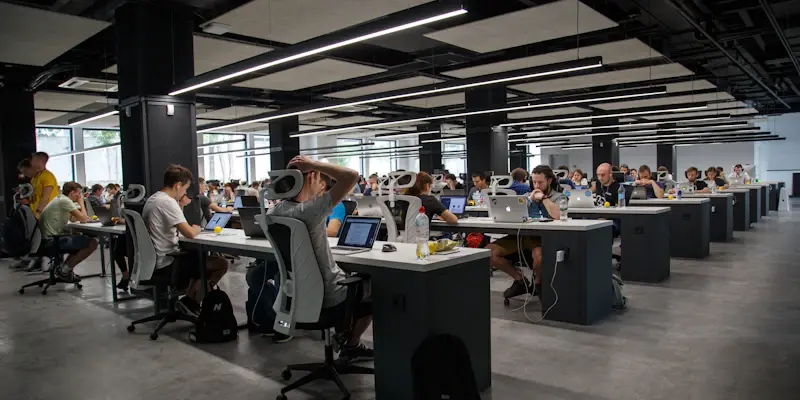
Effective management of an hourly workforce is essential for operational success and overall business performance. Satisfied employees not only exhibit higher levels of engagement but also drive customer satisfaction, leading to a competitive edge. While managing hourly employees presents distinctive challenges, balancing employee preferences with business needs is made more feasible through strategic planning and modern technological solutions. Addressing these distinct challenges requires a nuanced understanding and the implementation of innovative strategies that integrate operational needs with employee welfare.
Strategic Planning and Workforce Management Tools
Treating workforce management (WFM) tools as essential components for strategic planning is the first step toward optimizing hourly workforce management. Leveraging contemporary WFM platforms, which are powered by artificial intelligence (AI), allows the integration of employees’ preferences and skills with critical business metrics like demand forecasts. This convergence furnishes leaders with comprehensive, data-driven insights that drive informed decision-making. By recognizing patterns in labor demand and predicting future needs, organizations can align their workforce capabilities more precisely with business objectives.
AI and predictive analytics within these WFM tools play an instrumental role in enhancing labor forecasting accuracy. Emerging trends and significant patterns identified by these tools enable tailored workforce planning, reducing overstaffing and understaffing issues. Organizations are also better positioned to adjust swiftly to changes as AI-driven insights provide real-time data, ensuring that labor needs are met contemporaneously with operational requirements. The dynamically evolving business landscape necessitates such real-time responsiveness, and the adaptability afforded by AI-driven WFM platforms can be a pivotal asset.
Promoting Flexibility Through Self-Service Technologies
Hourly workers highly value autonomy and flexibility, which are critical to their engagement and retention. Self-service tools for shift management and absence requests can significantly enhance this experience. These platforms automatically adjust schedules based on employee requests, minimizing manual intervention. By enabling employees to manage their schedules independently, organizations foster a workplace environment that respects personal preferences while ensuring operational needs are met.
Technological advancements in self-service tools alleviate the administrative burden on managers. The systematic organization and automated schedule adjustments reduce the potential for human error and scheduling conflicts, streamlining the entire process. This efficiency translates to a lighter administrative workload for managers, enabling them to concentrate on strategic initiatives and employee development. Moreover, by providing employees control over their work schedules, these tools contribute to a heightened sense of job satisfaction and investment in their roles.
The integration of self-service technologies extends beyond mere schedule management. These platforms can facilitate other administrative functions, such as submitting leave requests, tracking hours worked, and accessing payroll information. The empowerment of employees through these tools enhances their engagement and sense of responsibility, while businesses benefit from the resulting operational efficiencies and improved morale.
Enhancing Productivity with Effective Communication
Clear and effective communication is key to maintaining productivity within the workforce. A significant portion of the workforce is affected by communication barriers, leading to productivity dips. Establishing two-way communication channels via mobile applications can mitigate these issues, ensuring updates and feedback flow smoothly between employees and managers. The real-time sharing of information promotes a cohesive and informed workforce, thereby enhancing overall productivity.
Utilizing familiar mobile communication tools resembling personal messaging apps can further reduce learning curves, promoting user adoption and sustained employee engagement. These platforms typically offer intuitive interfaces and functionalities that employees are likely already accustomed to from their personal lives. This familiarity facilitates seamless integration into daily operations, reducing the transition period and increasing efficiency.
Employing intelligent automation within communication systems can dramatically reduce the administrative tasks for managers, allowing them to dedicate more time to mentoring and engagement. Automated reminders, updates, and feedback mechanisms ensure that critical information is communicated promptly without overwhelming managers. This balance between automation and human oversight promotes a more dynamic and responsive workforce, positioning organizations to better meet their operational goals.
Fostering Agility in Business Operations
Adaptability is crucial in managing hourly employees due to the dynamic nature of their work environment. Organizations must be responsive to high turnover rates, shifting demands, and seasonal variations to maintain operational efficiency. Without a doubt, fostering agility in business operations plays a pivotal role in ensuring that organizations can quickly and effectively respond to changing conditions, whether they stem from external market forces or internal shifts within the workforce.
Technologies that provide actionable insights can enable businesses to promptly adapt to industry trends and internal changes. AI and innovative workplace solutions play a significant role in facilitating this agility, making substantial operational shifts less disruptive and more manageable. These technologies offer real-time data and predictive insights that inform strategic decisions, allowing businesses to remain ahead of the curve and responsive to sudden market changes.
Streamlining operations to ensure quick adaptability involves not only technology but also a shift in organizational mindset. Encouraging an agile culture within the company where continuous improvement, flexibility, and proactive problem-solving are emphasized can lead to a more resilient and efficient operation. Training programs and workshops that focus on adaptive skills and proactive strategies can further instill this culture, aligning employees’ capabilities with the evolving needs of the business.
Conclusion
Effective management of an hourly workforce is crucial for operational success and overall business performance. When employees are satisfied, they are more engaged, which in turn boosts customer satisfaction and provides a competitive advantage. Managing hourly employees does come with unique challenges, but it’s possible to balance employee preferences with business needs through strategic planning and modern technology. Handling these unique challenges requires a deep understanding of both the business environment and employee needs, and demands innovative strategies that blend operational goals with employee well-being. By prioritizing the welfare of hourly employees and leveraging cutting-edge solutions, businesses can create a harmonious and productive workplace. A well-managed hourly workforce not only enhances operational efficiency but also drives long-term growth and success. Therefore, addressing these issues thoughtfully can significantly impact profitability and the overall success of a business.