

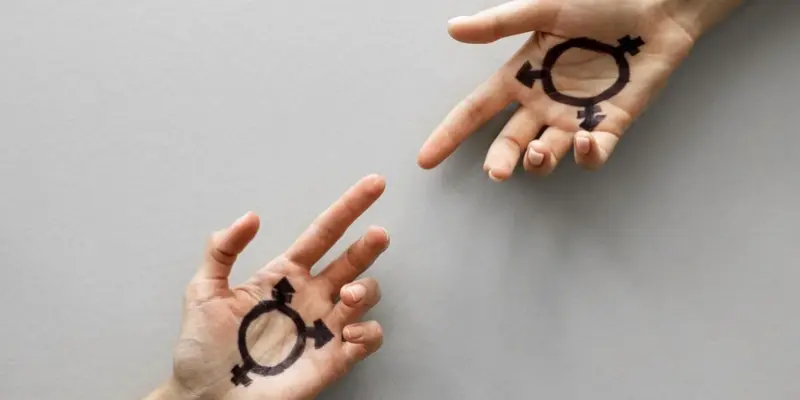
President Donald Trump’s early administrative actions created significant tension regarding gender identity recognition in the workplace. Executive Order 14168, issued early in Trump’s presidency, aimed at eliminating diversity, equity, and inclusion (DEI) initiatives, which had previously embraced the recognition of multiple gender identities beyond the traditional male and female classifications. As Acting Chair of the Equal Employment Opportunity Commission (EEOC), Andrea Lucas responded to this executive order by removing all references to non-binary and other gender identities from EEOC documentation and communications. One of the first actions taken involved discontinuing the use of preferred pronouns in EEOC communications. The forms were subsequently revised to include only male and female options, eliminating any references to non-binary or other gender identities. Additionally, any guidance related to workplace harassment was revised to exclude the requirement to use an individual’s preferred name or pronoun, with the EEOC establishing that recognizing biological sex does not constitute harassment. This shift in federal policy created an immediate impact on businesses, which were expected to alter their practices in alignment with the new directives.
State-Level Protections
Despite federal policy changes, certain states, such as Nevada, maintain laws that specifically prohibit discrimination based on gender identity or expression. These state laws present a direct contradiction to the EEOC’s new guidelines. Nevada’s legal structure allows for businesses found in violation of these protections to be held liable, facing potential compensatory damages and attorney fees. Businesses must, therefore, navigate these contradictory directives carefully to ensure compliance and avoid penalties.
Even with changes in EEOC policies under the Trump administration, it is important to note that Supreme Court rulings since 2020 have affirmed that discrimination based on sexual orientation, gender identity, or expression remains illegal under federal law. The overarching legal landscape implies that, despite the EEOC’s shift, discrimination based on gender identity is still unlawful, unless the Supreme Court decides to reverse these rulings. This legal premise maintains that, until any such reversal occurs, businesses are required to avoid discriminatory practices.
Nevada’s statutes regarding anti-discrimination are independently enforced, irrespective of the federal directives. The Nevada Equal Rights Commission and state courts play crucial roles in upholding these protections. The Democratic control of the Nevada legislature signifies strong support for LGBTQ+ rights, reflecting state policies that continue to enforce these protections aggressively. Businesses operating within Nevada must consider these state-level legal obligations while also monitoring federal policies that may interfere or conflict with existing protections.
Employer Responsibilities in a Complex Legal Landscape
For employers in Nevada and other states with similar protections, it is essential to ensure that employment practices do not involve discrimination based on gender identity. This includes respecting employees’ preferred pronouns to avoid potential harassment claims. Fostering an inclusive and respectful workplace culture is also important, which may require employee training and revised company policies to support diversity and inclusion. Businesses must maintain due diligence in understanding both state and federal laws to ensure lawful and ethical operations.
Regular consultation with employment law experts is advised for businesses seeking to stay informed and compliant with these evolving directives. Given the potential for policy shifts under different administrations, having a clear understanding of both state and federal guidelines can prevent legal missteps and foster better workplace environments. Companies must be prepared to adjust their practices according to current laws while being proactive about changes that could impact their responsibilities and obligations to their employees.
Balancing Legal Compliance with Inclusive Practices
Navigating the conflicting directives set forth by federal and state governments presents a significant challenge for businesses. While the Trump administration sought to limit the recognition of gender identities beyond the male-female binary, states like Nevada continue to uphold strong protections for LGBTQ+ individuals. Businesses must find ways to balance these conflicting requirements without violating the law and while promoting an inclusive workplace culture.
In fostering such inclusive environments, companies should conduct regular training sessions on diversity and inclusion, emphasizing the importance of respecting all employees’ identities. Updating company policies to reflect these values is also crucial, ensuring that anti-discrimination measures are clearly communicated and consistently enforced. Employers that embrace these inclusive practices can better navigate the legal complexities, retaining a diverse and motivated workforce.
To mitigate potential legal risks, it is prudent for businesses to maintain a dialogue with legal counsel and remain informed about upcoming changes to both state and federal laws. By doing so, businesses can not only ensure compliance but also position themselves as inclusive and forward-thinking employers. This proactive approach not only promotes a positive workplace culture but also helps in aligning business practices with the evolving legal landscape.
Embracing Change and Promoting Inclusivity
President Donald Trump’s early policies prompted debates over gender identity recognition in the workplace. His issuance of Executive Order 14168 soon after taking office sought to dismantle diversity, equity, and inclusion (DEI) initiatives that previously recognized various gender identities beyond the traditional male and female categories. Andrea Lucas, the Acting Chair of the Equal Employment Opportunity Commission (EEOC), acted in response by stripping all mentions of non-binary and other gender identities from EEOC documents and communications. One of the immediate changes involved stopping the use of preferred pronouns in EEOC interactions. Forms were modified to offer only male and female options, thus eliminating any non-binary or other gender identity references. Furthermore, the guidelines pertaining to workplace harassment were updated to remove the obligation to use an individual’s preferred name or pronouns. The EEOC posited that recognizing biological sex alone did not constitute harassment. This revised federal policy led businesses to swiftly adapt their practices to align with the newly established directives.