

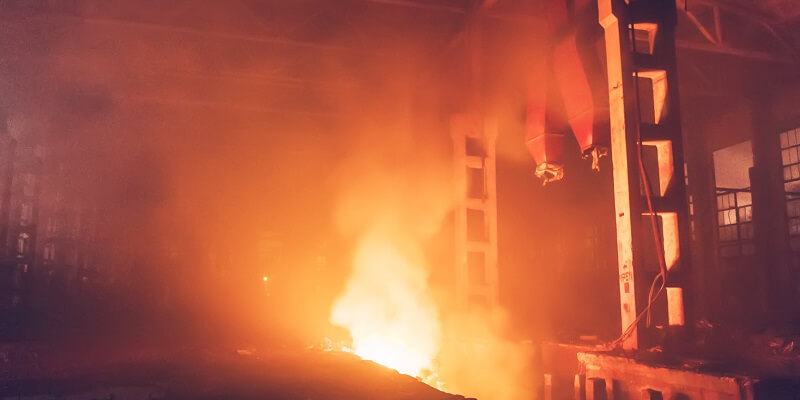
The case of Daniel Brand and James Wells v. Sojitz Corporation of America, Sojitz Energy Venture, Inc., and Metton America, Inc. has recently garnered attention as it involves a devastating explosion and fire at the Metton LaPorte plant in Harris County, Texas. In what seems to be a tightly contested battle, the workers have taken legal action against Sojitz Corporation of America (SCA), claiming negligence, gross negligence, and premises liability. Let us delve into the details of the incident, the workers’ allegations, and SCA’s defense.
Workers’ Complaints
The incident began to unfold when Brand and Wells, two employees assigned to the Metton LaPorte plant, raised concerns about malfunctioning equipment and ongoing operations at the facility in May 2018. Disturbingly, instead of heeding their warnings, the workers alleged that they were instructed to continue working, despite the potential risks involved. This disregard for their safety set the stage for an unforeseen disaster.
Explosion and injuries
Tragedy struck when a significant explosion and subsequent fire erupted at the Metton LaPorte plant. The force of the explosion caused severe injuries to Brand and Wells, with their heads, arms, necks, backs, and various other body parts feeling the brunt of the impact. However, physical trauma was not the only aftermath they had to endure. The emotional toll included anxiety and difficulties in focusing, concentrating, and sleeping.
Lawsuits and claims
Seeking justice and compensation, Brand and Wells filed a lawsuit against SCA, charging the corporation with negligence, gross negligence, and premises liability. Their legal complaint requested damages exceeding $1 million, including compensatory, actual, consequential, and exemplary damages, as well as recovery for pain and suffering, past and future mental anguish, impairment, and disfigurement. Their central argument was that SCA had created an unreasonably dangerous condition, leading to the catastrophic incident and their subsequent injuries.
Allegations against SCA
The workers firmly asserted that SCA should be held accountable for their injuries, given the unsafe condition that they believed the corporation had fostered. They contended that SCA’s failure to adequately address equipment malfunctions and heed workers’ concerns was a proximate cause of the explosion and fire. By maintaining an environment that disregarded safety protocols, SCA, according to the workers, had directly contributed to their life-altering injuries.
Summary Judgment Motion by SCA
Unsurprisingly, SCA wasted no time in mounting a defense and filed a summary judgment motion to dismiss the lawsuit. SCA argued that there was no evidence supporting the negligence, gross negligence, and premises liability claims made by the workers. Furthermore, the corporation contended that it should not be held responsible in this matter, as it neither owned nor operated the Metton LaPorte plant and was not involved in the alleged incident. SCA sought to distance itself from any liability.
As the trial looms on the horizon, the case of Daniel Brand and James Wells v. Sojitz Corporation of America continues to captivate attention. The explosion and fire at the Metton LaPorte plant has left the workers scarred, both physically and emotionally. With the workers seeking justice and significant compensation, the battle lines have been drawn. SCA, on the other hand, vehemently denies any wrongdoing, asserting that it is not at fault for the unfortunate incident. As the legal proceedings unfold, the outcome of this case could have far-reaching implications for worker safety and the accountability of corporations in industrial accidents. Only time will reveal the truth behind the events that unfolded at the Metton LaPorte plant and who, ultimately, should bear the responsibility for the workers’ injuries.