

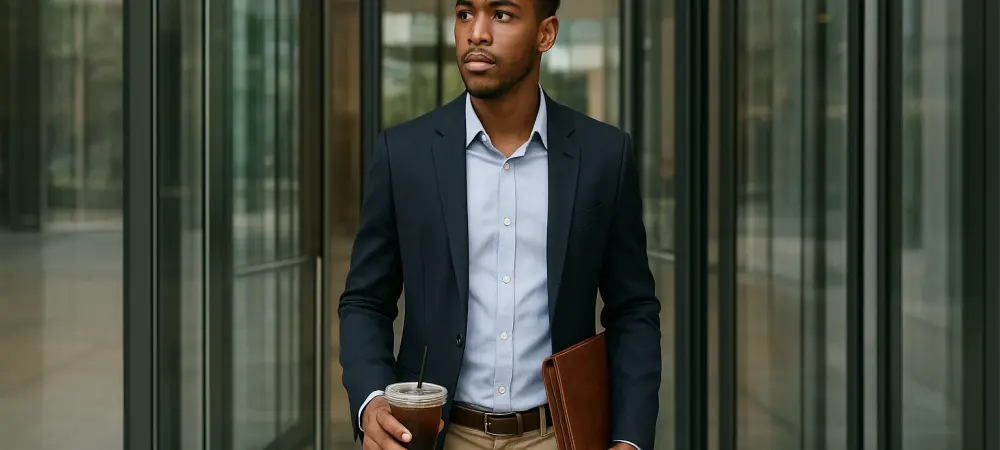
A single perceived lapse in traditional decorum can still serve as a deciding factor for recruiters, despite the rigorous technical screenings candidates endure. In an era where professional boundaries are supposedly softening, a seemingly trivial accessory like an iced coffee has sparked a heated debate regarding workplace etiquette and generational expectations. The controversy began when a seasoned recruiter shared a viral observation about younger applicants arriving at formal interviews with takeaway beverages, interpreting the gesture as a lack of serious commitment. This perspective suggests that carrying a drink signals a candidate views the meeting as a casual errand rather than a pivotal career milestone. While corporate veterans often view such behavior as a sign of disrespect, the backlash highlights a growing divide between traditional standards and the reality of modern job seekers. The conflict centers on whether professionalism is defined by rigid adherence to old-world formalities or by demonstrated skills.
The Digital Sieve: Surviving the Automated Recruitment Process
Before a candidate even steps into an office with a coffee in hand, they have likely survived a grueling series of automated filters that would have been unimaginable just a few years ago. In the current 2026 landscape, the application process is dominated by sophisticated artificial intelligence that serves as the primary gatekeeper. Recruiters now rely on algorithmic scoring models and automated video screenings to prune thousands of applicants down to a handful of survivors. These digital systems evaluate everything from keyword density in a resume to micro-expressions in a recorded introduction. For a Gen Z candidate, reaching an in-person interview represents a significant victory over a cold, impersonal machine. This intense journey through the algorithmic gauntlet creates a sense of resilience, yet it also detaches the candidate from the human element until the final stage, leading to a slight disconnect in what is considered expected social behavior within a corporate office.
This marathon of digital assessments often leaves candidates feeling more like data points than human beings, which inadvertently influences their approach to the face-to-face meeting. When a young professional finally earns an invitation to a physical office, they may perceive the environment as a space where they have already proven their technical worth. Bringing a personal coffee might not be an act of defiance but rather a coping mechanism or a sign of self-assured efficiency. In the high-pressure world of 2026, where efficiency is prized above all else, an applicant might see their beverage as a way to stay sharp during a four-hour interview block. However, the human recruiter on the other side of the desk often lacks this context. They see a plastic cup as a symbol of a casual attitude, failing to recognize that the person holding it has already passed more rigorous testing than many veteran employees ever faced during their own initial hiring cycles.
Strategic Adaptation: Balancing Personal Comfort and Corporate Norms
The scrutiny over a coffee cup feels particularly misplaced when viewed against the backdrop of the current economic environment facing young workers. As of 2026, the labor market for recent graduates remains incredibly competitive, with job postings for entry-level roles showing a steady decline while underemployment rates continue to climb. Candidates are forced to navigate a landscape where the stakes are perpetually high, yet the rewards are increasingly gatekept by narrow definitions of cultural fit. This environment creates a paradox where individuals are expected to be ultra-efficient, tech-savvy performers while simultaneously adhering to 20th-century social cues. The disconnect is palpable; while a recruiter is preoccupied with the optics of an iced latte, the candidate is likely worried about the rising cost of living and the scarcity of career paths. This misalignment suggests that professionalism is in a state of flux, caught between old optics and survival.
Ultimately, the tension between traditional etiquette and contemporary candidate experiences suggested a need for a more nuanced understanding of workplace dynamics. Organizations that succeeded in 2026 began to look past superficial markers of professionalism, focusing instead on the adaptability and resilience required to bypass modern hiring hurdles. For job seekers, the actionable takeaway involved a careful calculation of power dynamics; while their technical skills were validated by AI, the human interview remained a performance of social alignment. Candidates were encouraged to research specific company cultures before deciding whether to prioritize personal comfort or traditional polish. Recruiters, in turn, benefited from re-evaluating their biases, recognizing that a takeaway drink rarely predicted job performance. As the workforce evolved, the most effective hiring strategies prioritized transparency, ensuring that a single cup of coffee did not overshadow a candidate’s potential.