

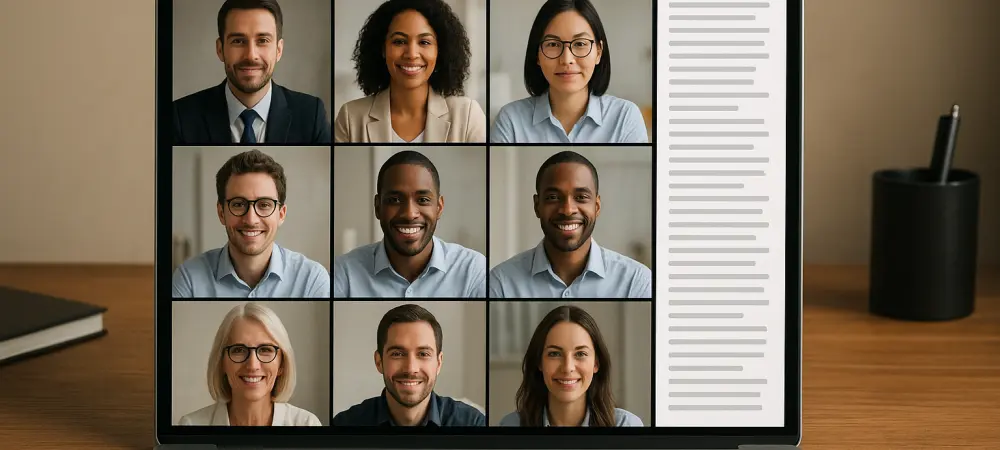
Modern conferencing platforms like Zoom and Microsoft Teams are transforming fleeting job interviews into permanent digital records that may haunt both parties for years to come. This evolution in talent acquisition signifies a departure from the days when the nuances of a conversation existed only in the memory of the participants. Today, specialized software integrates seamlessly with communication tools to capture every syllable and gesture, effectively turning a dynamic human interaction into a data-rich document. John Challenger, CEO of outplacement firm Challenger, Gray & Christmas, notes that this adoption of AI-driven transcription is building an indelible paper trail with long-term consequences. While proponents argue these tools improve efficiency, the reality is that a single ill-advised remark or a misconstrued response now lives indefinitely in a database. This shift creates a landscape where the initial impression is a searchable and potentially liability-prone file that persists.
The Automation of Human Judgment
The surge in AI reliance is documented by recent data indicating that over 90% of HR managers are now utilizing artificial intelligence within their recruitment cycles, with others expected to follow immediately. These systems do more than just record; they utilize natural language processing to generate summaries, sentiment analysis, and candidate scorecards. However, this level of automation introduces significant risks regarding context and nuance. When a hiring manager relies exclusively on an AI-generated summary rather than reviewing the full session, they risk making decisions based on software errors or misinterpreted cues. For instance, an algorithm might flag a candidate’s thoughtful pause as a lack of confidence or fail to grasp the sarcasm used in a cultural reference. This reliance on ‘automated truth’ can lead to the institutionalization of bias, as the software often reflects the unconscious preferences of its programmers or the historical data it was trained on.
Building on this technological shift, the transition to permanent digital records fundamentally alters the psychological contract between employers and job seekers. The presence of an AI ‘notetaker’ in a virtual room often creates a sense of surveillance that stifles the natural flow of dialogue. Candidates, aware that their every word is being transcribed and analyzed, may become overly cautious, leading to a performance that lacks genuine personality. This loss of authenticity is a critical concern for recruitment experts who argue that the best hires are often made through intuitive connections and cultural alignment that cannot be quantified. Moreover, the permanence of these records means that a candidate’s performance in a single interview could follow them throughout their career within a specific industry. The digital footprint created during a screening now has the potential to overshadow years of professional experience, as reviewers might lean on old archived assessments.
Regulatory Hazards and Strategic Adjustments
The legal landscape surrounding these digital records is becoming increasingly complex as workplace monitoring and recording consent laws evolve to meet the challenges of 2026. Different jurisdictions have varying requirements for recording interactions, and many organizations are finding it difficult to navigate the patchwork of privacy regulations. Beyond simple consent, there is the issue of data ownership and the right to erasure. If a candidate performs poorly due to external stressors or temporary personal issues, they may have little recourse to prevent that specific record from influencing their future opportunities within that company’s global recruitment network. A verbatim transcript can serve as a double-edged sword during litigation. While it may protect an employer by proving a fair process, it can also provide a ‘smoking gun’ if an interviewer inadvertently asks a legally problematic question. HR departments must implement rigorous oversight to ensure that their digital paper trail does not become a liability.
Organizations eventually recognized that the efficiency gains provided by AI transcription required a balanced approach to mitigate the risks of permanent digital documentation. Leaders identified that while automated summaries offered speed, they could not replace the sophisticated judgment of experienced human recruiters. Consequently, forward-thinking firms began to implement strict data retention policies, ensuring that interview records were purged after a set period to protect candidate privacy and reduce corporate liability. They also prioritized transparency by clearly informing applicants how their data was being analyzed. Training programs were updated to teach hiring managers how to interpret AI data as one of many signals rather than the definitive verdict on a candidate’s suitability. Treating these digital records as temporary tools allowed businesses to preserve the integrity of the hiring process. This shift emphasized that the future of recruitment resided in the integration of technology with human evaluation.