

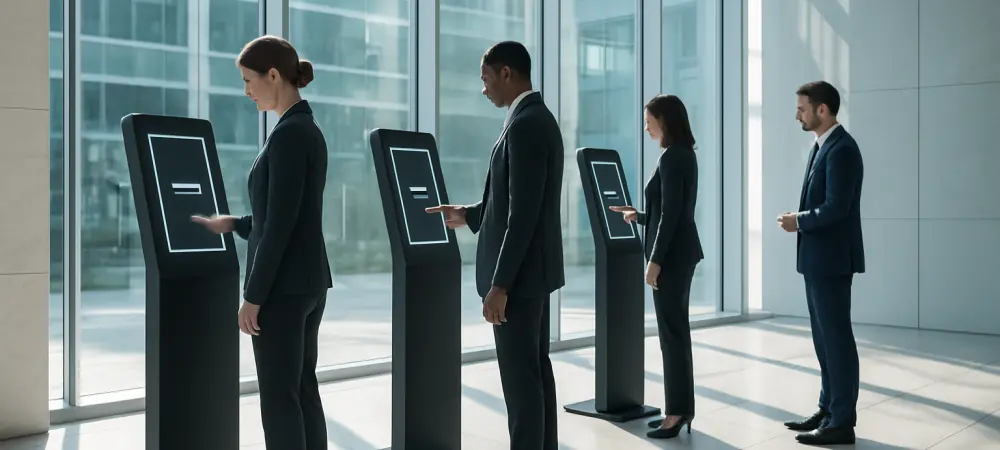
The initial financial investment required for high-end HR software often demands a rigorous calculation of long-term return on investment for smaller businesses. Beyond the upfront costs, the transformation of human resources from a traditional administrative silo into a high-octane strategic hub is redefining how modern enterprises operate. Currently, in 2026, the adoption of sophisticated automation is no longer a luxury but a necessity for maintaining a competitive edge in a rapidly tightening labor market. By integrating artificial intelligence into daily workflows, organizations are stripping away the friction inherent in manual data entry and complex filing systems. This shift allows personnel to move from a reactive posture, where they are constantly putting out fires, to a proactive one that emphasizes talent cultivation and cultural development. The result is a more resilient and agile workforce architecture that prioritizes human capital as a primary driver of sustained corporate growth and innovation.
Streamlining the Onboarding Journey
The first interaction an employee has with their new employer often serves as a barometer for the internal culture and operational efficiency they can expect during their tenure. Automated onboarding platforms have revolutionized this initial contact by converting what was once a disjointed series of emails and physical paperwork into a unified digital journey. These systems manage everything from identity verification and tax document submission to the immediate provisioning of IT credentials and hardware access. This level of automation ensures that a new hire can be productive from the very first hour, rather than waiting days for access permissions or clarified instructions. Similarly, automated offboarding procedures provide a structured and professional exit for departing employees, ensuring that sensitive company data is secured and physical assets are recovered without the oversight typical of manual processes in high-turnover environments.
Enhancing Precision in Attendance Tracking
Modern HR automation tools address the persistent challenges of time management and attendance tracking with remarkable precision, eliminating the friction of manual oversight. By utilizing cloud-based systems integrated with biometric scanners or geolocation features, organizations can eliminate the common errors and buddy punching associated with traditional punch cards. These platforms offer real-time visibility into workforce distribution, allowing managers to approve leave requests or adjust shifts on the fly based on current staffing needs. Furthermore, the data gathered through these automated touchpoints feeds into sophisticated analytics engines that can identify patterns of chronic absenteeism or declining productivity. This allows leadership to recognize signs of employee burnout early on and implement targeted interventions before morale drops. By moving away from subjective observations to hard data, managers can foster a more equitable environment.
Automating Complex Payroll Calculations
Payroll processing remains one of the most logically complex functions within any organization, requiring a perfect balance of mathematical accuracy and strict legal compliance. Automation in this sector effectively removes the human error that often plagues manual calculations involving overtime, bonuses, and diverse benefits packages. In 2026, these automated systems are designed to update themselves in real-time as local and federal tax regulations change, ensuring that the company remains compliant without needing constant legal audits. This seamless integration extends to direct deposit systems and digital payslip distribution, which provides employees with instant access to their financial records. When payroll is tied directly to performance-tracking modules, the result is a transparent and merit-based compensation cycle that significantly boosts internal trust. Employees feel more secure knowing their pay is calculated through an objective system.
Empowering the Workforce Through Self-Service
The introduction of Employee Self-Service (ESS) portals has fundamentally changed the power dynamic between the workforce and the HR department by promoting transparency. These intuitive digital platforms empower staff members to take control of their own professional data, allowing them to update personal information, view career progression charts, and enroll in benefits without mediation. This autonomy significantly reduces the volume of repetitive inquiries directed at HR staff, freeing those professionals to focus on high-impact strategic tasks like leadership development and organizational design. From an employee perspective, the ability to access critical information at any time fosters a culture of accountability and reduces the frustration often caused by administrative bottlenecks. As these portals become more integrated with mobile technology, they provide a consistent user experience that mirrors the convenience of consumer-grade software today.
Driving Strategy With Predictive Analytics
At the center of this technological evolution is a robust data architecture that transforms every digital interaction into a source of strategic intelligence. Rather than relying on anecdotal evidence or gut feelings, executive leadership now utilizes centralized data lakes to inform critical business decisions regarding their human capital. This transition toward evidence-based management allows for a more granular understanding of team dynamics and individual performance trends across global operations. One of the most impactful developments in this area is the rise of Predictive HR, which employs machine learning algorithms to forecast future trends within the workforce. For instance, by analyzing historical engagement scores and vacation patterns, these systems can identify departments at high risk for turnover months before a resignation is actually submitted. This foresight enables HR teams to address underlying cultural issues or compensation gaps proactively.
Personalizing Growth With Artificial Intelligence
Automation and artificial intelligence also play a pivotal role in personalizing the employee journey, moving away from the outdated one-size-fits-all model of corporate development. AI-driven platforms can analyze an individual’s unique skill set and career aspirations to suggest tailored training programs and internal mobility opportunities. This ensures that every team member feels supported as an individual, which is a major factor in long-term talent retention and engagement. By delivering personalized content and feedback loops, these systems create a more dynamic learning environment where professional growth is continuous rather than tied to an annual review. Furthermore, the speed and transparency provided by automated feedback systems allow for immediate course correction and recognition of achievements. This real-time interaction helps bridge the gap between management and remote staff, ensuring that everyone remains aligned with the broader mission.
Securing Data and Managing Organizational Change
The transition to HR automation was often successful when organizations navigated the complex landscape of technical and security challenges with a clear strategic vision. Protecting sensitive personal and financial data remained the foremost concern, requiring advanced encryption and multi-factor authentication to defend against evolving cyber threats. Leadership had to demonstrate how automation would simplify daily tasks rather than replace human roles, emphasizing the value of freed-up time for creative and collaborative work. By measuring improvements in recruitment speed and lower turnover rates, companies were able to justify the initial capital expenditure and secure long-term buy-in from stakeholders. Moving forward, the most effective strategy involved a continuous loop of feedback and system updates to ensure the technology evolved alongside the workforce. Organizations that prioritized both data integrity and the human experience set a new standard for operational excellence.