

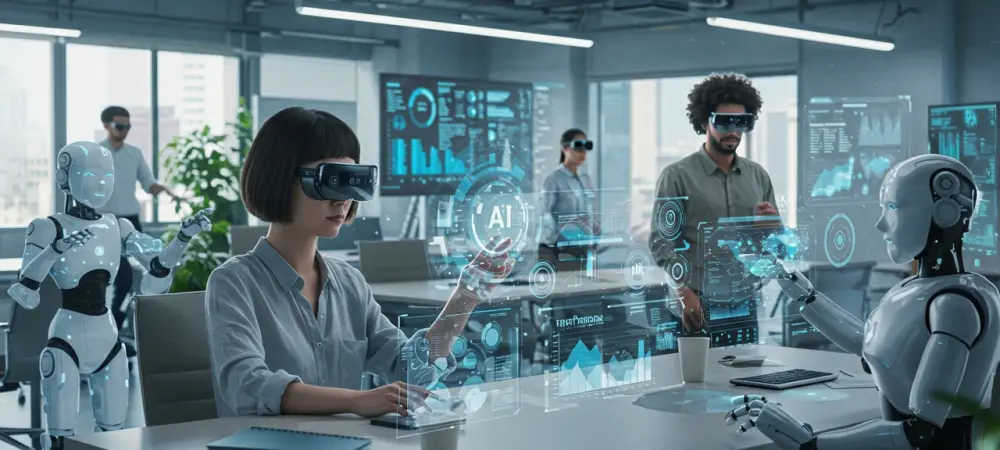
As businesses navigate the rapidly evolving technological landscape, the integration of AI and Robotic Process Automation (RPA) into workplace dynamics is steering a significant transformation. This analysis delves into how companies are restructuring to incorporate AI agents and RPA robots alongside human efforts, emphasizing controlled agency to ensure harmonious operation and maximize productivity across industry sectors.
Context and Purpose of Analysis
The convergence of artificial intelligence and human collaboration is a critical area of market interest, prompting enterprises to rethink traditional office layouts. This shift is driven by the need to optimize operations, reduce redundancy, and harness technology while balancing human ingenuity. Understanding the strategic incorporation of AI promises to inform critical decisions on resource allocation, policy-making, and employee training programs.
Detailed Examination of Market Trends
Structuring Workplace Dynamics
In modern corporate structures, combining human insight, AI, and RPA has become essential. Controlled agency, a guiding concept for the integration of these elements, defines specific roles for technology and human workers. This alignment aims to prevent overlap, ensuring AI-driven tools enhance rather than compete with human roles. Fostering this symbiosis within offices can result in streamlined processes and enhanced economic efficiency across sectors such as healthcare, construction, and IT.
Operational Challenges and Solutions
Effective integration of AI presents both challenges and opportunities. Operational guardrails ensure AI agents function safely within defined parameters, mitigating risks associated with erroneous decision-making and privacy breaches. Organizations like UiPath enhance governance and risk management frameworks, using tools like orchestration and evaluation mechanisms to ensure compliance and reliability in AI deployments. These technologies allow for scalable integration while minimizing risk, making them indispensable in business environments.
Global AI Implementation Patterns
The global adoption of AI technologies reveals a varied landscape, with different regions and industries advancing at distinct paces. In technologically mature regions, AI offers a competitive edge, whereas in developing markets, it acts as an economic catalyst. Understanding these nuances is crucial for formulating strategies that cater to diverse market needs. AI’s adaptive roles, tailored to geographic and industrial contexts, facilitate better alignment with organizational goals.
Implications and Strategic Insights
The emergence of AI-driven workspaces marks a pivotal shift in how businesses operate. Companies must navigate the implementation of AI by embracing best practices, such as establishing ethical guidelines, engaging in continuous learning programs, and fostering a culture of flexibility and digital literacy. As AI’s integration evolves, businesses are encouraged to adapt strategies to harness AI’s benefits fully while mitigating its risks.
Reflecting on Transformative Market Forces
The findings underscore that AI has fundamentally altered organizational landscapes, reshaping human roles and traditional business models. Companies that embraced collaborative synergies between AI, RPA, and human endeavors experienced not only enhanced operational efficiency but also set the stage for long-term growth. Strategic foresight enabled these organizations to establish robust systems where AI augmented human potential, driving unprecedented levels of productivity and innovation.
As enterprises continue integrating AI technologies, the focus will remain on balancing technological advancements with human expertise, ensuring that the future workspace thrives through a harmonious blend of automation and creativity. This path forward requires informed strategies that foster a proactive approach to technology adoption, promising sustained progress and competitive advantages.