

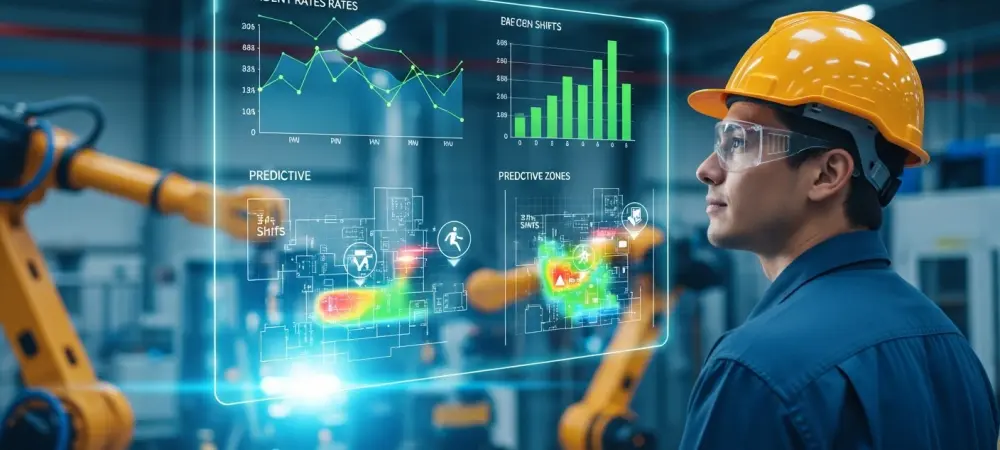
Every single day, thousands of industrial laborers enter high-stakes environments where a single miscalculation or equipment failure can lead to catastrophic consequences for both human life and operational continuity. Traditionally, safety measures relied on hindsight, with protocols updated only after an incident occurred, but the current landscape of 2026 reveals a fundamental shift toward predictive modeling. By integrating sophisticated AI algorithms with dense IoT networks, companies are no longer just reacting to disasters; they are preventing them before they manifest. This transition from a “fail-and-fix” mentality to a “predict-and-prevent” strategy is currently reshaping industries like mining, construction, and energy production. As global telecommunications leaders partner with niche software developers, the ability to process massive amounts of biometric and environmental data has become a standard requirement for maintaining a competitive edge. This evolution represents a major cultural shift in how safety is perceived and managed.
The Convergence: IoT and Intelligence
Digital Foundations: Managed Connectivity and AI
The foundation of this modern safety era rests upon the seamless orchestration of managed IoT connectivity and advanced predictive software. A robust digital backbone is necessary to handle the sheer volume of data streaming from hundreds of field operators simultaneously, ensuring that every byte of information is transmitted securely and analyzed without delay. These ecosystems effectively convert raw sensor outputs into actionable intelligence, allowing site managers to oversee complex, geographically dispersed operations through a single, unified software interface. In the United States, where industrial regulations are stringent and the cost of downtime is exorbitant, this level of integration is quickly becoming the baseline for operational excellence. By utilizing low-latency networks, managers can now receive instantaneous alerts about potential hazards that would have previously gone unnoticed. This technological synergy bridges the gap between field reality and office-based management.
Wearable Systems: Real-Time Protection in the Field
Beyond the central hub, the efficacy of these systems depends heavily on the reliability of the hardware deployed at the edge of the network. Modern industrial sites are increasingly utilizing edge computing to process data locally on the device before sending critical summaries to the cloud, reducing bandwidth burden and ensuring that life-saving alerts function even if the main connection is momentarily disrupted. As these platforms evolve, they incorporate machine learning models that learn from historical site data, identifying specific patterns that precede accidents. For instance, if a specific combination of rising ambient temperature and increased worker heart rate has historically led to heat exhaustion, the system now flags this risk before the worker even feels symptomatic. Such granular insights allow for a level of precision in safety management that was previously impossible to achieve, moving the industry toward a zero-harm objective. The result is a resilient operation where human error is mitigated.
Enhancing Resilience: Operational and Strategic Growth
Measurable Outcomes: Reducing Incidents and Increasing Output
Implementing these predictive systems yields a significant reduction in workplace incidents, with current industry data indicating a potential 60% decrease in reportable injuries. This dramatic improvement is a direct result of being able to intervene minutes or even hours before a hazardous situation escalates into an emergency. Organizations are discovering that a safer environment is inherently more productive, as the same sensors used for safety also provide data on workflow bottlenecks and asset utilization. By optimizing the distribution of the workforce based on real-time site conditions, companies can reduce idle time and improve overall project timelines. This dual-purpose utility makes the investment in AI-driven safety a strategic economic decision rather than just a compliance cost. The ability to demonstrate a lower risk profile also has positive implications for insurance.
Organizational Evolution: Looking Back at Implementation Success
Leaders who successfully navigated this transition focused on creating a culture that prioritized data integrity and employee trust above all else. They implemented comprehensive training programs to ensure that every team member understood the value of their wearable devices and felt comfortable with the continuous monitoring of their environment. By establishing clear privacy protocols, these organizations convinced the workforce that the data was being used exclusively for protection and operational improvement. To achieve these results, organizations implemented several key strategies, including the integration of sophisticated biometric analysis to monitor fatigue and stress levels. Decision-makers were encouraged to view these technological investments as long-term assets that required ongoing refinement and calibration. Those who hesitated to adopt these predictive frameworks found themselves struggling with higher incident rates, while early adopters secured a resilient and sustainable future for their operations.