

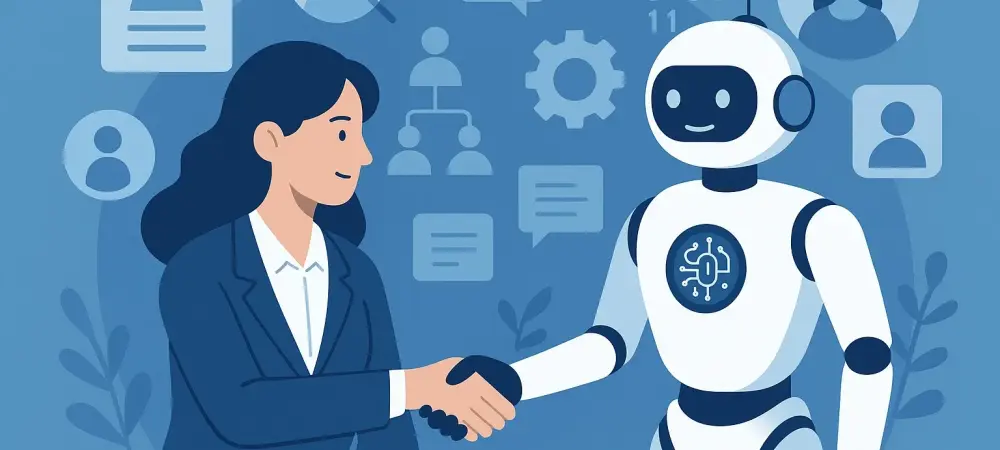
The presence of artificial intelligence in modern Human Resources practices sparks myriad questions about its capability to transform workplace dynamics and operations. With UK businesses increasingly relying on AI-driven solutions for various HR functions, the stage is set to examine how AI affects recruitment strategies, employment monitoring, and diversity initiatives. Could AI become the cornerstone of HR evolution in the UK?
The AI Edge in Human Resources
Juxtaposed against traditional methodologies, AI introduces cutting-edge approaches that render HR systems more efficient, compliant, and competitive. The ever-expanding capabilities of AI address key challenges in HR, such as bias and inefficiencies, proving crucial in modernizing HR operations. By tackling complex data management and deploying bias detection mechanisms, AI unfolds a pathway toward enhanced organizational innovation.
Transformative AI Applications in HR
AI-Driven Recruitment
AI reshapes recruitment by automating processes that traditionally require significant human intervention. Platforms like HireVue and Pymetrics exemplify AI’s efficiency in parsing resumes, conducting initial screenings, and ranking candidates. The effectiveness of these tools not only streamlines the hiring process but also mitigates bias, offering a more equitable candidate experience.
Personalized Onboarding and Training
AI’s role in onboarding programs is pivotal, swiftly adapting training experiences to each employee’s specific role and learning pattern. AI-powered systems such as PwC UK’s Learning Management Systems transform onboarding, leading to a marked 38% increase in employee retention in the first half-year for AI-utilizing organizations. This personalized approach ensures that employees settle in swiftly, leading to enhanced productivity and satisfaction.
Performance Insights and Continuous Feedback
AI contributes to workplace productivity by fostering continuous performance analytics and generating feedback loops. Predictive tools identify top-performing employees and offer career development recommendations, enabling HR teams to proactively manage team growth. Sentiment analysis and productivity tracking uncover insights that help preempt attrition risks.
Promoting DE&I with AI
AI brings mixed implications for diversity, equity, and inclusion in HR systems. While AI tools facilitate bias detection and representation monitoring, challenges persist regarding potential data bias and issues of transparency. Balancing AI’s potential pitfalls with its benefits calls for deep ethical and legal scrutiny, ensuring fair workplace practices in alignment with UK labor laws.
Ensuring Legal Compliance
AI integration in HR must observe UK laws and ethical guidelines, including GDPR mandates. Compliance requires human oversight in decisions made by AI technologies. These precautions make AI-driven systems more accountable, align them with legal requirements, and maintain fairness and transparency.
Expert Opinions: A Look at AI’s Influence
Industry leaders affirm AI’s transformative role, bringing radical changes to HR landscapes. A recent PwC study highlights AI’s sweeping impact, particularly in optimizing recruitment and streamlining employee training. Professionals who have witnessed AI integration recall its capability to revolutionize HR departments, underscoring the necessity of adopting AI solutions responsibly.
Strategy and Future Prospects
Adopting AI in HR demands strategic frameworks to mitigate inherent challenges such as algorithm bias and employee apprehension. Regular audits, transparent AI policies, and continuous updates on regulatory changes are among recommended strategies. As technology evolves, the future of AI in HR foresees the incorporation of emerging AI innovations and regulatory shifts, urging HR leaders to stay ahead in responsible technology adoption. Recognizing AI’s substantial impact on UK HR systems solidifies its role in shaping recruitment, retention, and compliance measures. Companies that adeptly integrate AI with human values secure a resilient and agile workplace environment. Transparency, fairness, and ethical considerations pave the way for AI-driven HR solutions to lead the next chapter in human capital management.