

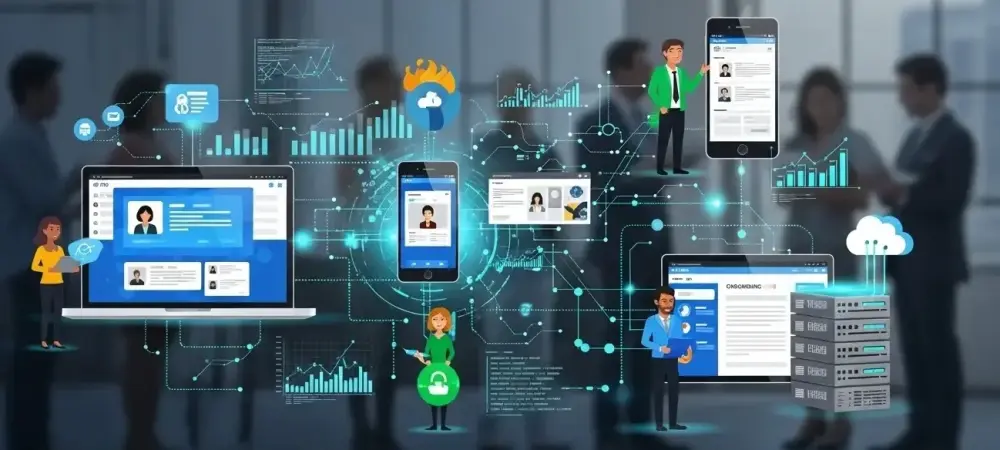
I’m thrilled to sit down with Ling-Yi Tsai, an esteemed HRTech expert with decades of experience in transforming organizational processes through innovative technology. Ling-Yi has a deep understanding of HR analytics and the integration of tech solutions in recruitment, onboarding, and talent management. Today, we’re diving into the exciting world of background screening solutions, focusing on how cutting-edge integrations are revolutionizing the hiring process. Our conversation explores the seamless blending of technology to enhance efficiency, the importance of compliance and accuracy in hiring decisions, and the value of personalized support in navigating complex HR landscapes.
Can you share the vision behind integrating background screening solutions with major HR platforms like Workday®?
Absolutely. The vision is all about creating a unified experience for HR professionals. Hiring is a complex process with many moving parts—recruitment, screening, onboarding—and historically, these have often been handled in silos. By integrating background screening directly into platforms like Workday®, we’re eliminating the need to toggle between systems, reducing errors, and saving time. It’s about making technology work for people, not the other way around, and ensuring that organizations can focus on finding the right talent without getting bogged down by manual processes.
How does this kind of integration transform the hiring process for organizations?
It’s a game-changer in terms of efficiency. When screening tools are embedded in a platform that HR teams already use daily, it creates a seamless workflow. You can order background checks or drug tests and review results without ever leaving the dashboard. This cuts down on administrative headaches and speeds up the time-to-hire, which is critical in today’s competitive talent market. Plus, it centralizes data, so decision-makers have everything they need at their fingertips to make informed choices quickly.
What role does accuracy play in building trust through these integrated solutions?
Accuracy is the foundation of trust in hiring. When organizations rely on background screening data to make decisions, even small errors can have big consequences—legally, financially, or in terms of reputation. Integrated solutions prioritize real-time, verified data to ensure that what you’re seeing is current and correct. This reliability gives HR teams and hiring managers confidence that they’re basing their decisions on solid information, which is essential for building a trustworthy hiring process.
Can you explain how compliance is managed within these integrated screening tools?
Compliance is a huge focus because hiring regulations vary so widely across local, state, and federal levels. These tools often include dynamic features like automated pre-adverse action processes, which help ensure that if a candidate’s screening raises a flag, the organization follows the correct legal steps before making a decision. This automation helps keep companies aligned with laws like the Fair Credit Reporting Act and other regulations, reducing the risk of penalties or lawsuits while maintaining fairness in the process.
What sets apart the support provided to users of these integrated HR solutions?
The best integrations come with a strong emphasis on client care. It’s not just about the technology; it’s about the people using it. Personalized support means having a dedicated team to answer questions, troubleshoot issues, or even customize solutions based on an organization’s unique needs. Whether it’s a small business or a large enterprise, the goal is to ensure every user feels supported at every step. This human touch makes a big difference in adoption and satisfaction with the technology.
How do these solutions cater to the diverse screening needs of different organizations?
Flexibility is key. Integrated platforms typically offer a wide range of screening options—everything from criminal background checks to drug testing, and even I-9 verification or E-Verify services. This allows organizations to tailor the screening process to their specific industry or role requirements. For example, a healthcare provider might need detailed drug testing, while a nonprofit might focus on volunteer background checks. Having all these options accessible in one place ensures that diverse needs are met without added complexity.
What has been the feedback from users since these integrations rolled out?
The response has been overwhelmingly positive, especially around the ease of use and time savings. Users appreciate not having to juggle multiple systems or deal with manual data entry. Features like streamlined workflows and compliance automation have stood out as particularly helpful. Of course, there are always some initial hiccups as users adapt to new processes, but with strong support in place, those challenges are quickly addressed. It’s been exciting to see how much this enhances their day-to-day operations.
What is your forecast for the future of HR technology integrations in hiring processes?
I think we’re just at the beginning of what’s possible. As technology continues to evolve, I expect integrations to become even more intelligent—think AI-driven insights that predict hiring needs or flag potential compliance issues before they arise. We’ll likely see deeper connections between HR platforms, not just for screening but for the entire employee lifecycle, from recruitment to retirement. The focus will remain on simplicity and data-driven decision-making, ensuring that HR tech empowers organizations to build stronger, more compliant, and more efficient teams.