

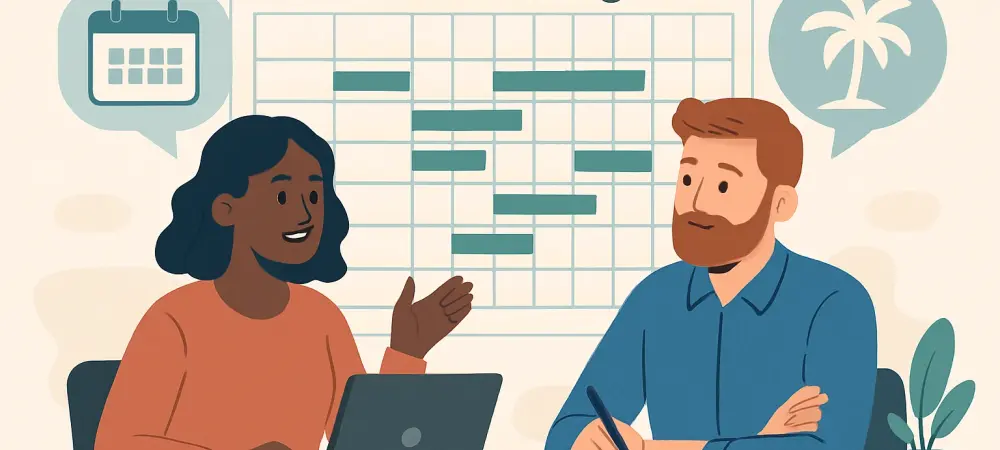
As we dive into the evolving landscape of HR technology, I’m thrilled to sit down with Ling-Yi Tsai, a seasoned expert in HRTech with decades of experience helping organizations transform through innovative solutions. Ling-Yi specializes in HR analytics tools and the seamless integration of technology in areas like recruitment, onboarding, and talent management. Today, we’re focusing on a groundbreaking development in employee benefits—the launch of a cutting-edge leave planning tool designed to simplify complex processes for both employees and employers. Our conversation explores the inspiration behind this enhanced solution, its unique features, the impact on HR workloads, and the importance of compliance in such tools, while also touching on the collaborative efforts that brought it to life.
What inspired the creation of an upgraded leave planning tool, and how did user feedback shape its development?
The idea for an enhanced tool came from a deep understanding of the challenges employees and employers face when navigating leave policies. The original version was a game-changer for parental leave, helping thousands of users since its debut. Feedback from over 20,000 individuals highlighted the need for broader coverage, including medical and family caregiving leave. Employers also wanted a solution that could reflect their specific programs, while employees sought clearer, more personalized guidance. This input was critical in shaping a more comprehensive and customizable tool that addresses a wider range of needs.
How does this new leave planning solution differentiate itself from other tools available in the market?
What sets this tool apart is its ability to cover a wide spectrum of leave types—parental, medical, and family caregiving—under one platform. It’s not a one-size-fits-all approach; instead, it tailors the experience to align with an employer’s unique benefits and policies. This customization, combined with a user-friendly interface, ensures employees get a roadmap that’s specific to their situation, while employers benefit from a solution that integrates seamlessly with state and federal requirements.
In what ways does this tool enhance the experience for employees planning a leave of absence?
For employees, the tool transforms a often confusing process into something manageable and clear. It provides personalized benefit estimates, so they know what to expect financially, and offers detailed task lists with deadlines and filing instructions. Whether someone is planning a medical leave or preparing to care for a family member, these tailored resources help reduce stress and make the steps actionable, ensuring they don’t miss critical details.
Can you explain how this solution eases the burden on HR teams in managing leave programs?
Absolutely. One of the biggest pain points for HR teams is the time spent explaining eligibility rules or untangling confusion around overlapping benefits. This tool delivers customized information upfront, so employees have a clear understanding before reaching out with questions. By streamlining access to relevant details, it frees up HR professionals to focus on strategic priorities rather than repetitive inquiries, ultimately making their workload more manageable.
How does compliance factor into the design of this leave planning tool, and why is it so critical?
Compliance is at the core of the tool’s design because leave policies are governed by a complex web of federal and state regulations that are constantly evolving. The tool uses a rules-driven approach to stay updated with the latest mandates, reducing the risk of errors or missed steps for both employees and employers. This focus on compliance not only protects organizations from potential legal issues but also builds trust with employees by ensuring accuracy in their leave planning.
What can you tell us about the collaboration that brought this tool to life, and how did it balance technology with user needs?
The partnership behind this tool combined deep expertise in leave planning technology with a commitment to employee well-being. The tech partner brought cutting-edge solutions to the table, while the focus on user experience ensured the platform didn’t oversimplify the intricate nature of leave policies. Together, they created a balance—making the tool intuitive for users while still addressing the complexity of benefits, resulting in a solution that’s both powerful and accessible.
What has been the early feedback from employers and employees since the announcement of this enhanced tool?
The initial reaction has been overwhelmingly positive. Employers appreciate how the tool integrates their specific programs and reduces administrative headaches, while employees value the clarity and personalization it offers during a potentially stressful time. There’s a shared sense of relief that something so complex can be made straightforward, and many are eager to see it in action as it rolls out to new and existing clients in the coming years.
What is your forecast for the future of digital tools in managing employee benefits like leave planning?
I believe we’re just scratching the surface of what digital tools can do in this space. As technology advances, I expect to see even more personalization through AI and machine learning, predicting individual needs with greater accuracy. Integration with other HR systems will become seamless, creating a holistic employee experience. Additionally, as regulations continue to evolve, tools like this will play a pivotal role in ensuring compliance while empowering employees to take control of their benefits with confidence. The future is about making these processes not just easier, but truly intuitive and supportive.