

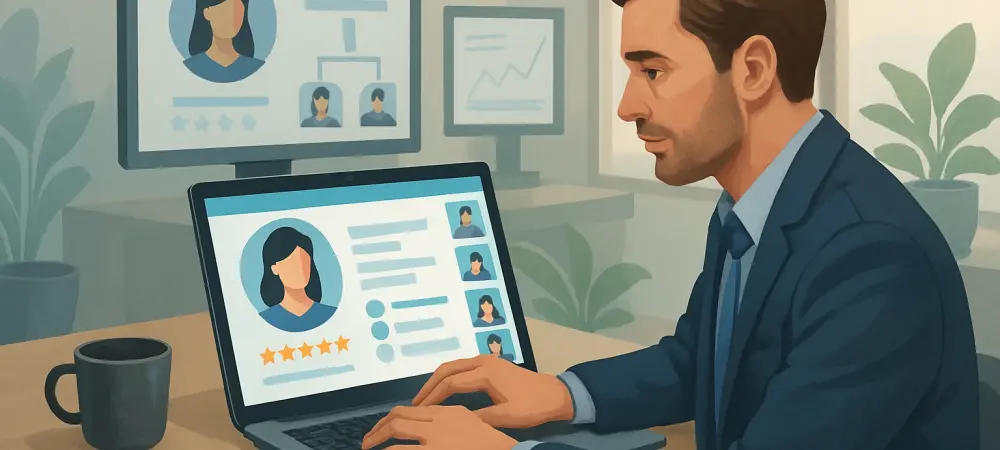
I’m thrilled to sit down with Ling-Yi Tsai, a trailblazer in the realm of HR Technology with decades of experience helping organizations transform through innovative solutions. Specializing in HR analytics and the seamless integration of tech into recruitment, onboarding, and talent management, Ling-Yi has a unique perspective on how technology can empower managers to enhance employee experience and drive leadership growth. Today, we’ll dive into the emerging field of manager enablement solutions, exploring why managers are pivotal to workplace culture, how tech can act as their co-pilot, and the profound impact this has on building sustainable leadership habits.
How did you first realize that focusing on managers, rather than just HR departments, could be a game-changer for improving employee experience?
I’ve seen time and again how managers are the linchpin of an employee’s day-to-day life at work. They’re the ones who translate company values into action and directly influence engagement and growth. Early in my career, while working on HR tools, I noticed a recurring theme: HR systems were great for backend processes, but the people on the front lines—managers—were often left without real support. They were juggling so much, and their impact on culture was undeniable. It became clear to me that if we could empower managers with the right technology, we’d create a ripple effect that would improve experiences across entire teams.
What specific gaps in traditional HR tools pushed you toward developing solutions tailored for managers?
Traditional HR tools were often built with HR professionals in mind—think dashboards for compliance, reporting, or payroll. But managers, who are in the trenches every day, didn’t have anything designed for their unique needs. They were stuck pulling data from multiple systems or relying on outdated training to handle complex people issues. There was a glaring lack of real-time, actionable support for leadership tasks like coaching or running effective one-on-ones. I saw an opportunity to bridge that gap with tech that meets managers where they are and helps them lead more effectively.
Why do you think being a people manager is often considered one of the hardest roles in any organization?
Managers are squeezed from all sides. They’ve got pressure from above to hit business targets and expectations from below to nurture their team’s well-being and growth. They’re expected to wear so many hats—strategist, coach, administrator, and counselor—sometimes all in a single meeting. It’s a balancing act that’s incredibly tough to master, especially when many are thrown into the role without much preparation. The emotional and mental toll of being responsible for both results and people is what makes it such a challenging job.
How often do you see managers promoted based on technical skills rather than leadership potential, and what’s the impact of that trend?
It’s extremely common, and honestly, it’s one of the biggest pitfalls in organizations. High-performing individual contributors are often rewarded with management roles because they’re great at their craft, not because they’ve shown an aptitude for leading people. The impact can be rough—managers struggle to shift from doing to delegating, and their teams suffer from a lack of guidance or empathy. Without proper support, this mismatch leads to burnout for the manager and disengagement for the team. It’s a systemic issue that tech can help address by filling in those skill gaps.
Can you walk us through how this HR technology serves as a co-pilot for managers in their daily routines?
Think of it as a trusted sidekick that’s always there, embedded in a manager’s workflow. This tech integrates into tools they already use, like Slack or Teams, so it’s not another app to open. It automates mundane tasks—like scheduling or tracking action items—and provides real-time nudges for critical moments, like when to give feedback or check in on a team member’s workload. It’s about taking the guesswork out of leadership and giving managers the confidence to focus on meaningful interactions rather than getting bogged down by admin work.
Why is it so critical for this technology to integrate with platforms managers are already using, rather than being a standalone tool?
Managers are already swamped with tasks and tools, so adding another platform to their plate is a non-starter. Integration with familiar systems like Slack or Teams means they don’t have to switch contexts or learn something new. It’s about meeting them where they are, making support feel seamless. For example, getting a reminder to recognize a team member’s win right in a chat app they’re using anyway saves time and ensures the action happens in the moment, when it matters most.
What makes one-on-one meetings such a vital tool for managers, and how does this tech enhance their impact?
One-on-ones are the heartbeat of a manager-employee relationship. They’re where trust is built, goals are aligned, and real growth happens. But too often, these meetings lack structure or focus. This technology steps in by suggesting relevant talking points based on recent projects or challenges, so conversations are meaningful. It also tracks goals and action items automatically, ensuring follow-through. Plus, it offers subtle insights into team well-being, helping managers ask better questions and show genuine care.
How do you ensure this technology doesn’t just become another burden for already busy managers?
The last thing a manager needs is more noise. From the start, the goal was to make this tech almost invisible. It works quietly in the background, integrated into their existing tools and routines. We focused on reducing cognitive load by automating repetitive tasks and providing just-in-time support without overwhelming them with notifications. When a tool feels intuitive and lightens their workload, managers can shift their energy to what really matters—connecting with and inspiring their teams.
In what ways does this HR tech help managers develop stronger leadership habits over time?
Great leadership isn’t a one-and-done thing; it’s built through consistent practice. This technology acts like a personal coach, offering gentle reminders to recognize good work, check in on team morale, or stick to rituals like regular one-on-ones. These prompts encourage small, repeatable actions that turn into habits. Over time, managers internalize these behaviors, like giving specific feedback or fostering psychological safety, which transforms how they lead and how their teams thrive.
What’s your forecast for the future of manager enablement technology and its role in shaping workplace culture?
I believe manager enablement tech is poised to become a cornerstone of workplace culture. As organizations realize that managers are the key to employee engagement and retention, we’ll see even more investment in tools that empower them. The future will likely bring smarter, more personalized solutions—think AI that adapts to a manager’s unique style or predicts team challenges before they arise. This tech will not only make managers better leaders but also create environments where everyone feels supported to do their best work. It’s an exciting space to watch.