

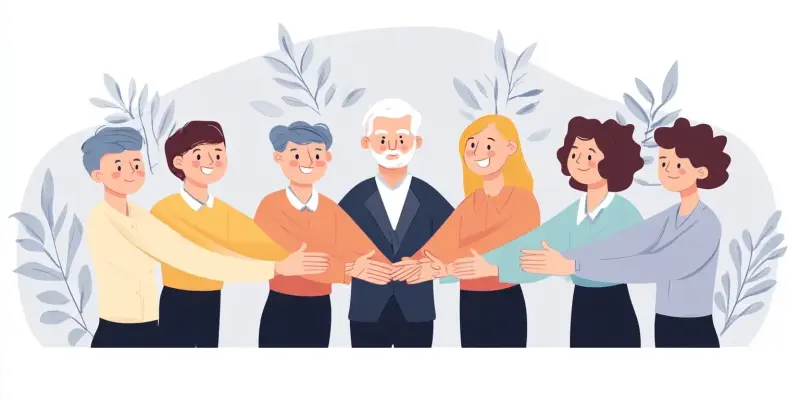
In today’s dynamic work environments, generational diversity can be both a strength and a challenge. Often, the clash between Baby Boomer bosses and their Gen Z employees arises from differing values, communication styles, and work expectations. To foster positive relationships and ensure mutual growth, it is imperative for Gen Z to understand the perspectives and motivations that drive their Baby Boomer bosses. By mastering the art of cross-generational collaboration, young professionals can harness the experience and wisdom of Boomers while showcasing their own unique strengths and perspectives.
Understanding Communication Preferences
Baby Boomers typically value direct, face-to-face communication, a stark contrast to the digital-first approach embraced by Gen Z. Boomers come from an era where in-person discussions were the norm, and they often view emails or instant messages as impersonal. Therefore, Gen Z employees should prioritize direct conversations for important topics. This preference means setting aside time for one-on-one meetings or even casual coffee chats can be highly beneficial. Such interactions build trust, demonstrating respect for the Boomer’s preferred method of communication while also providing an opportunity for Gen Z employees to articulate their ideas clearly and confidently.
Moreover, ensuring clarity in communication is crucial. Baby Boomers value straightforwardness and complete information, preferring to leave no room for ambiguity. Gen Z employees can adapt by being well-prepared and transparent in their conversations. This involves not only speaking directly but also listening actively and showing genuine interest in their Boomer boss’s insights. By balancing the digital convenience Gen Z is accustomed to with the personal touch favored by Baby Boomers, a harmonious and effective communication channel can be established, facilitating smoother workplace interactions and fostering mutual respect.
Leveraging Technological Skills
Gen Z, being digital natives, possess a natural proficiency with technology that can be an invaluable asset when working with Baby Boomer bosses who might not be as tech-savvy. Instead of overwhelming them with advanced tools and jargon, the younger generation should offer support through informal tutorials and step-by-step guidance. This approach ensures that Boomer bosses get comfortable with new technologies at their own pace. For instance, a Gen Z employee could help set up collaborative tools like Slack or project management software and explain their benefits in enhancing productivity and teamwork.
Such initiatives not only ease the Boomer’s adaptation to modern tools but also position the Gen Z employees as indispensable resources within the organization. However, it’s essential to approach these interactions with patience and humility, avoiding any hint of condescension. A positive, collaborative attitude will significantly enhance the learning experience, making Baby Boomers more receptive to adopting new technologies. As these collaborative efforts strengthen, Gen Z employees will find that their ability to bridge the generational tech gap not only improves workflow efficiencies but also solidifies their role as innovative problem-solvers within the team.
Respecting Experience and Seeking Guidance
The extensive experience of Baby Boomers offers a treasure trove of knowledge that Gen Z can tap into, benefiting immensely from their past successes and lessons learned. Recognizing the value in this experience, Gen Z employees should be proactive in seeking guidance and feedback from their Boomer bosses. This involves asking insightful questions and demonstrating a willingness to learn. Boomers, who have spent decades building their careers, often have invaluable insights into industry trends, crisis management, and strategic decision-making. Listening attentively to their stories and advice not only builds rapport but also accelerates professional development for younger employees.
Furthermore, showing appreciation for the Boomer boss’s experience can go a long way in building a respectful and collaborative relationship. Acknowledging their contributions and learning from their career paths helps younger employees avoid potential pitfalls while also fostering a sense of mentorship. This mutual respect ensures a healthy dynamic where Gen Z employees feel supported, and Boomers feel valued for their enduring contributions to the organization. By melding the historical knowledge and strategic foresight of Baby Boomers with the fresh perspectives and technological adeptness of Gen Z, workplaces can become more innovative and resilient.
Offering Genuine Recognition
For Baby Boomers, many who have invested significant portions of their lives in their careers, receiving genuine recognition and praise is crucial for their professional satisfaction. This generation often associates their identity closely with their career achievements and deeply values acknowledgment of their hard work. Gen Z employees should take the time to offer sincere commendations for the expertise and leadership shown by their Boomer bosses. Such gestures not only strengthen interpersonal relationships but also contribute to a positive office atmosphere, boosting overall morale.
Rather than offering general praise, specific acknowledgment of their contributions and the impact they have had on the team or project can be more meaningful. Phrases like, “Your guidance was pivotal in navigating this challenge,” or “Your expertise really made a difference in achieving our goals,” can resonate more deeply. This form of recognition underscores the respect and appreciation for the Boomer boss’s dedication and accomplishments. By consistently offering genuine praise, Gen Z employees help create an environment where continued collaboration and collective success are celebrated.
Aligning with Long-term Goals
Baby Boomers often prioritize long-term goals and a legacy-building approach over short-term gains or frequent job changes. Understanding this inclination can help Gen Z employees align their efforts in a manner that resonates with their Boomer bosses. Instead of focusing solely on immediate results or rapid career advancements, it is beneficial to engage in projects that contribute to the bigger picture and long-term objectives. Sharing a commitment to these goals demonstrates a shared investment in the organization’s success and stability.
Actively participating in legacy-focused initiatives can also provide Gen Z employees with deeper insights into strategic planning and organizational growth. By showing interest in these areas, younger employees communicate their dedication not just to their immediate roles but to the broader vision championed by their Boomer bosses. This alignment fosters a collaborative spirit, ultimately paving the way for a more cohesive and united team. Such long-term engagement also offers Gen Z valuable opportunities to hone their skills and gain substantial experience, equipping them for future leadership roles within the company.
Incremental Innovation
In today’s fast-paced work environments, the presence of generational diversity can be both beneficial and challenging. Often, the tension between Baby Boomer supervisors and their Generation Z employees stems from distinct values, communication methods, and work expectations. For productive collaboration and mutual growth, it is crucial for Gen Z workers to comprehend the viewpoints and motivations that drive their Baby Boomer supervisors. By excelling in cross-generational collaboration, young professionals can tap into the vast experience and knowledge of Boomers, all while demonstrating their own unique skills and perspectives. This blend of different age groups in the workplace can create a more innovative and harmonious environment. Understanding that Baby Boomers often value loyalty, experience, and a traditional work ethic, while Gen Z places importance on flexibility, digital proficiency, and social impact, can bridge the gap. Emphasizing respectful communication, openness to learn, and adaptability can ensure both generations thrive together, leveraging each other’s strengths for organizational success.