

Remote work has quickly become the favored mode of employment for millions of workers around the globe. Many businesses, however, are urging a return to the office, emphasizing increased collaboration, enhanced company culture, and improved productivity as primary benefits. The paradox that employers now face is creating a work environment that employees eagerly want to return to, rather than feel coerced into. Rather than merely mandating a return to the office, which has seen significant pushback and even resignation from employees, companies need to make working in the office more compelling than working from home. This involves fostering curiosity, collaboration, and engagement while addressing the core reasons why employees have grown to prefer remote work.
Offer the Flexibility Employees Desire But Thought Only Possible With Remote Work
One of the major attractions of remote work is the flexibility it offers. Employees can manage their schedules, spend more time with family, and avoid time-consuming commutes. To counter this appeal, workplaces can incorporate flexible in-office days, allowing employees to choose which days they come in.
This system can also include “no-meeting” office days to maximize productivity when employees are present in the office. Personalized schedules can help workers avoid rush-hour traffic, making their commuting experience less stressful and time-consuming. By offering flexibility, companies can meet employees halfway, thus making the transition back to the office smoother and more appealing. This hybrid approach can maintain the balance between work and personal life that employees have grown accustomed to.
Transform the Office into a Space for Teamwork, Not Just Presence
Employees often resist returning to the office when they see no added value beyond what they can accomplish at home. One of the main differences between remote and in-office work should be the potential for better collaboration. Companies should focus on making the office a hub for teamwork and creativity.
Scheduling team brainstorming sessions, interactive meetings, and other collaborative activities can make office days more worthwhile. Additionally, creating dedicated collaboration spaces with comfortable seating and advanced tools like smart boards can facilitate better communication and idea-sharing. Encouraging cross-team networking also helps build stronger workplace relationships and fosters a sense of community.
Enhance the Office Environment to Match the Comfort of Remote Work
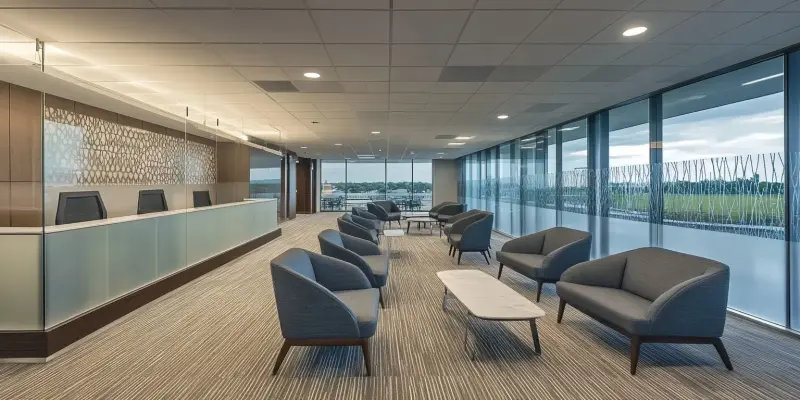
Remote work has the advantage of a comfortable home environment, less formal attire, and personalized settings. Offices need to compete with this level of comfort to encourage a return. Upgrading workspaces with ergonomic chairs, standing desks, and quiet areas can significantly improve the in-office experience.
Moreover, ensuring that in-office technology is superior to what employees have at home can make a tangible difference. Offering perks such as free coffee, snacks, or even catered lunches can make office days more attractive. Google and other top companies have invested in creating an office environment that employees look forward to, rather than one they are forced to inhabit.
Make Commuting Less Burdensome
For many employees, the daily commute is one of the most dreaded aspects of in-office work. Companies can alleviate this by offering commuter benefits like gas or public transportation reimbursements. Flexible arrival and departure times can also help employees avoid the stress and frustration of rush hour traffic.
Another innovative approach is allowing employees to work from home in the mornings and come into the office later. This hybrid solution combines the benefits of remote work with in-office collaboration without the added stress of a long commute. Some companies, like Google and Facebook, provide shuttle services that enable employees to work during their commute, turning travel time into productive hours.
Promote a Culture of Learning and Development
One powerful incentive for employees to come back to the office is the opportunity for career growth and development. Offering exclusive in-office training sessions can help employees advance their skills and see the tangible benefits of being in the office. Hosting leadership question-and-answer sessions and mentorship programs that encourage face-to-face interaction can further enhance the value of in-office presence.
Additionally, tying promotions and high-visibility projects to in-person collaboration can give employees a clear reason to return to the office. When office presence is associated with career advancement rather than just attendance, employees are more likely to see the benefits of being physically present.
Involve Employees in Planning the Return-to-Office from Remote Work
Employees need to feel that their concerns and preferences are taken into account when planning a return to the office. Surveying employees to understand their biggest worries can provide valuable insights into what needs to be addressed. Testing different hybrid models can help identify the most effective strategies for a smooth transition.
Transparency is also key. Clearly explaining the reasons behind decisions and the importance of office work can help foster understanding and acceptance. When employees feel that their feedback has shaped the return-to-office policies, they are more likely to support and embrace the changes.
The Future of Remote Work: Finding a Balance
Remote work has rapidly become the preferred mode of employment for millions of workers worldwide. Despite this trend, many businesses are pressing for a return to the office, citing increased collaboration, enhanced company culture, and better productivity as key advantages. Companies now face the challenge of making the office an environment employees are excited to return to, rather than being compelled. Rather than just mandating a return to the office—a tactic that has met with resistance and even led to resignations—businesses must make office work more appealing than remote work. This involves creating an atmosphere that fosters curiosity, collaboration, and engagement while also addressing the core reasons employees prefer working from home, such as work-life balance, flexible schedules, and reduced commute times. By understanding and incorporating these factors, companies can craft an office environment where employees feel motivated and valued, ultimately making the return to the office a welcomed change rather than an obligation.