

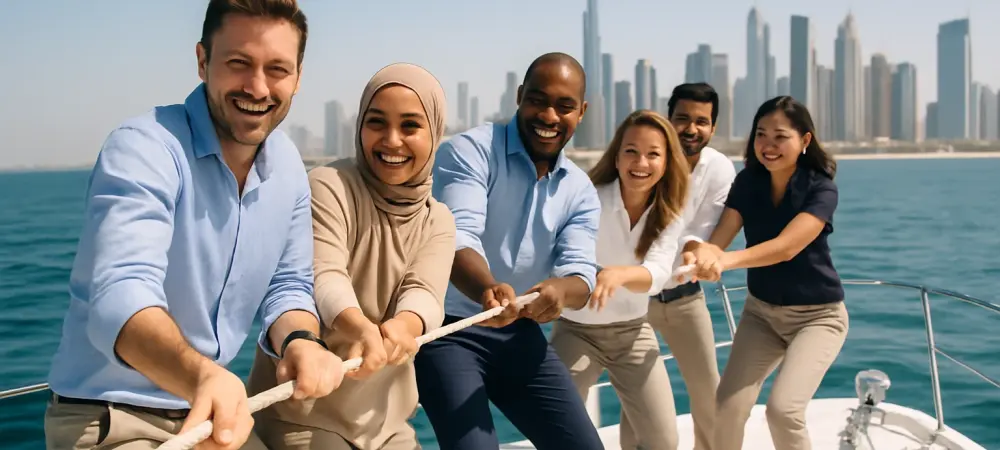
What if the secret to transforming workplace morale lies not in a paycheck, but in an extraordinary experience that employees will never forget? Picture a team, weary from months of deadlines, stepping aboard a sleek yacht gliding across the shimmering waters of the Arabian Gulf, with Dubai’s iconic skyline as the backdrop. This isn’t just a luxury escape—it’s a strategic move to boost motivation, foster unity, and show genuine appreciation. In a city known for pushing boundaries, a yacht charter emerges as a game-changer for companies aiming to stand out in rewarding their staff.
The importance of innovative employee incentives cannot be overstated in today’s competitive corporate landscape. With burnout rates climbing—studies show that over 50% of employees experience stress-related disengagement—businesses must rethink how they inspire loyalty. A Dubai yacht charter offers more than a day out; it creates lasting emotional connections that translate into higher productivity and retention. This article explores why such an experience resonates deeply with teams and how it can redefine workplace culture in a hub of innovation like Dubai.
Rethinking Traditional Employee Rewards
In an era where talent retention is a top priority, relying solely on financial bonuses or generic perks falls short. Employees crave recognition that feels personal and meaningful, something beyond the transactional. Companies that fail to adapt risk losing top performers to competitors who prioritize creative incentives. A yacht charter in Dubai, with its blend of luxury and exclusivity, presents an opportunity to break the mold and deliver a reward that sparks genuine excitement.
This shift toward experiential rewards aligns with current workforce trends. Research from Gallup indicates that 65% of employees value memorable experiences over monetary bonuses when it comes to feeling appreciated. By offering a unique outing on the water, businesses can tap into this desire for connection and recognition, setting themselves apart in a crowded job market.
The impact of such a gesture extends beyond the event itself. When employees associate their hard work with a standout experience like cruising past the Burj Al Arab, it reinforces a sense of value. This emotional resonance can cultivate a deeper commitment to company goals, proving that rethinking rewards is not just a luxury, but a necessity.
Addressing the Demand for Creative Incentives
The corporate world faces mounting challenges with employee disengagement, especially in high-pressure environments. A 2025 survey by Deloitte reveals that nearly 40% of workers feel disconnected from their roles due to a lack of meaningful recognition. This gap highlights the urgent need for incentives that go beyond the ordinary and address emotional well-being alongside professional growth.
A Dubai yacht charter meets this need by offering a break from routine while fostering a sense of belonging. Unlike fleeting rewards like gift cards, shared experiences on a yacht create memories that employees tie directly to their workplace. This approach resonates particularly in a dynamic city like Dubai, where innovation and luxury are woven into the fabric of daily life.
Moreover, such incentives align with the growing focus on workplace wellness. Companies that prioritize unique experiences signal to current and potential employees that they care about more than just output—they value the human element. This can be a deciding factor for talent choosing between employers in a competitive market.
Transformative Advantages of a Yacht Charter for Teams
A yacht charter along Dubai’s stunning coastline offers distinct benefits that directly enhance employee morale. First, it serves as a powerful form of recognition. Treating staff to an exclusive cruise demonstrates appreciation in a way that feels personal, strengthening loyalty and inspiring continued dedication. The rarity of such an event amplifies its impact, making employees feel truly valued.
Beyond recognition, the emotional refreshment provided by a yacht outing is invaluable. After intense work periods, a day on the water—complete with panoramic views and a serene atmosphere—acts as a reset. Employees return to their desks with renewed energy, often showing improved focus and creativity, as noted in a study by the Harvard Business Review where 72% of workers reported higher productivity post-vacation.
Additionally, the informal setting of a yacht fosters team bonding. Colleagues who rarely interact in office settings can connect over shared moments, breaking down silos and enhancing collaboration. This environment also allows management to engage with staff on a human level, building trust. Other perks include heightened motivation when such trips are tied to performance goals and an improved company image as social media posts from the event showcase a vibrant, employee-focused culture.
Voices from the Field: Impact of Yacht Charters as Rewards
Insights from industry professionals underscore the effectiveness of experiential incentives like yacht charters. A Dubai-based HR specialist shared, “Monetary bonuses fade quickly, but a yacht trip creates a lasting association with the company. Employees talk about it for months, and it fuels their drive.” This sentiment reflects a broader consensus that unique rewards leave a deeper imprint on morale.
Real-world examples further validate this approach. A mid-sized tech firm in Dubai reported a 30% increase in team collaboration following a yacht event organized to celebrate a major project milestone. The CEO noted, “Seeing my team laugh and connect outside the office was eye-opening. It translated into smoother workflows back at work.” Such feedback highlights how these experiences can reshape workplace dynamics.
Employees themselves echo this enthusiasm. A sales manager who attended a company yacht charter remarked, “It wasn’t just a reward; it felt like the company saw my effort. I’ve never been more motivated to hit my targets.” These firsthand accounts illustrate that the emotional and social benefits of a yacht outing can create a ripple effect, enhancing overall engagement.
Steps to Organize a Memorable Yacht Charter Event
Planning a yacht charter for a corporate team requires careful thought to ensure maximum impact. Start by defining the event’s purpose—whether it’s a reward for top performers, a departmental celebration, or a company-wide gathering. Clarity on this front helps tailor the experience to meet specific objectives, ensuring relevance for all participants.
Next, establish a budget based on team size and event scope. Dubai’s yacht rental market offers options for various price points, making this accessible even for smaller businesses. Partnering with a reputable rental company experienced in corporate events is crucial; they can manage logistics and suggest customizations like themed decor or gourmet catering to elevate the day.
Finally, enhance the experience with thoughtful additions such as live entertainment or branded keepsakes for attendees. Clear communication is also key—if the charter is a performance incentive, announce criteria early to maintain transparency. By aligning the event with company values and ensuring a seamless execution, businesses can create a memorable occasion that resonates long after the yacht docks.
Reflecting on a Voyage of Transformation
Looking back, the journey of integrating a Dubai yacht charter into employee reward systems proved to be a turning point for many organizations. It shifted the focus from routine incentives to meaningful experiences that rebuilt team spirit and reinforced appreciation. Companies that embraced this approach witnessed not just happier employees, but also stronger collaboration and loyalty.
The success of such initiatives paved the way for broader adoption of experiential rewards across industries. Businesses began exploring how to sustain this momentum, considering regular events or smaller-scale outings to maintain engagement. The lesson was clear: investing in unique, shared moments could yield returns far beyond traditional methods.
As a next step, companies were encouraged to evaluate their current reward strategies and identify opportunities to incorporate impactful experiences. Partnering with local experts to craft tailored events became a priority, ensuring that every outing reflected the organization’s culture. This forward-thinking mindset promised to keep teams inspired and workplaces thriving for years to come.