

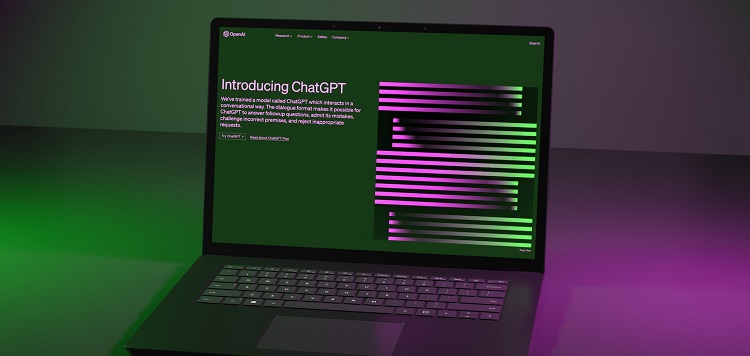
Artificial intelligence (AI) is rapidly changing the way we work, and its benefits extend beyond reducing hours of human labor to bringing a host of new opportunities to the workplace. One of the areas where AI’s impact is being felt is in streamlining hiring and onboarding processes. The ChatGPT model is being used extensively to save time and improve efficiency, making these processes easier for both the employer and employee. Let’s dive into some of the applications of ChatGPT technology in this area.
Key findings
According to a recent report, 42.7% of employers are concerned about an economic downturn, but the majority (68.1%) still expect to increase their hiring in 2023. The report highlights that employers understand the importance of onboarding and hiring quality individuals to boost productivity and growth. In this regard, AI technology like ChatGPT can significantly improve the hiring process, enabling employers to find the best candidates quickly.
Recruiters benefit from ChatGPT
For recruiters, the use of ChatGPT technology can be a game-changer. First drafts of job descriptions and offer letters can be tedious and consume valuable time that could be spent on more important tasks. However, ChatGPT can be used to generate these items, accomplished in a fraction of the time it would take a human to complete. This technology is particularly beneficial when recruiters are tasked with filling multiple positions across various departments.
Advantages of using AI in conjunction with humans
One of the advantages of using AI in conjunction with humans is reducing staff workload. This way, humans can focus on things they are uniquely good at, such as face-to-face interviews and onboarding qualified candidates. Additionally, incorporating AI technology like ChatGPT ensures that mundane and repetitive tasks are automated, minimizing human error.
Most people have interacted with AI
Most of us have interacted with AI in various ways, but we might not have realized it. When returning items to an online retailer, making a dinner reservation, or inquiring about the status of a job application, we are likely interacting with AI technology. Incorporating AI technology like ChatGPT into hiring and onboarding processes can streamline communication and enhance the candidate’s experience.
Concerns About Proliferation of Disinformation
Undeniably, the use of AI technology like ChatGPT in hiring and onboarding processes has raised concerns about disinformation proliferation. Doubt arises when people view the information provided by ChatGPT as unverifiable, which can lead to misinformation and discourage potential candidates. Therefore, AI technology should uphold transparency by providing verified information to avoid disinformation proliferation.
Rigorous testing is paramount
Rigorous testing is the bedrock of any product strategy, and every powerful tool should undergo testing before deployment and afterward to ensure that it aligns with the desired purpose. AI is no exception and tools like ChatGPT should be rigorously tested before use since they can be used in different contexts. Testing is essential throughout the algorithm’s development and deployment stages to eliminate unwanted system behaviors and potential risks.
Constant and rigorous oversight
ChatGPT is a powerful AI tool that has the potential to revolutionize the hiring process. However, this power comes with responsibility, and continuous oversight is essential to ensure that the tool is not used in unexpected and potentially negative ways. To avoid unethical use of ChatGPT, employers must continuously monitor the tool, identify issues, and come up with solutions to fix them.
The Importance of Thorough Testing
Before integrating the ChatGPT model and similar models into existing tools, vendors must conduct an exhaustive review of these models. Proper testing will identify areas of weakness and areas for improvement, ultimately enhancing tool efficacy. It is advisable to conduct rigorous testing before deployment since the system has a significant impact on the users.
Creating an AI Explainability Statement
It is essential to create an AI explainability statement to ensure that customers, users, and the public understand the development and testing process of the created AI models. By doing so, the company enhances transparency and builds trust with the end-users. The AI explainability statement is a third-party document that verifies important details on how the system works, what data informs the algorithms, and what ethical considerations informed the AI system’s design.
ChatGPT’s incorporation in the hiring process is just one of the many areas where AI technology is revolutionizing the workplace. As with any new technology, it’s crucial to strike a balance between innovation and safety. As the implementation of AI technology into HR practices continues to grow, transparent and responsible usage is key to unlocking the full potential of this technology. By incorporating ChatGPT properly, the hiring process can be faster, more efficient, and more reliable than ever before.