

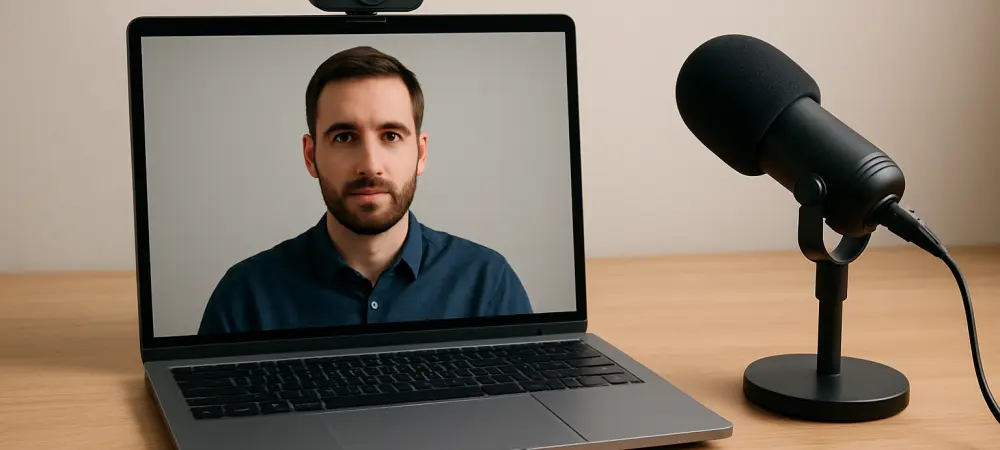
Experts observe that the lack of social feedback during an automated interview often causes candidates to speak too quickly or lose confidence without the presence of human cues. This observation highlights a significant shift in the recruitment landscape where the initial point of contact for a job seeker is no longer a human recruiter but an sophisticated conversational artificial intelligence system. Organizations across various sectors have adopted these algorithmic oversight models to manage the sheer volume of applications that characterize the current labor market. This transformation marks a pivotal change in how talent is identified, moving the focus from static documents to real-time behavioral analysis. The efficiency offered by these tools allows for a level of objective assessment that was previously unattainable, as machines can process thousands of data points without the fatigue or unconscious bias often associated with traditional human screening methods. As this technology becomes the standard, the corporate hiring pipeline is being restructured to prioritize data-driven insights over subjective impressions, forcing both employers and applicants to adapt to a digital-first reality where the first impression is made on a server rather than in a boardroom.
The Evolution of the Modern Recruitment Pipeline
The transition from human-centric hiring to automated screening represents a fundamental shift in corporate strategy designed to handle the complexities of the current employment environment. For years, the bottleneck of recruitment was the manual review of resumes and the time-intensive process of introductory phone screens. In the current landscape, conversational AI agents have stepped into this role, acting as the primary gatekeepers of opportunity. These systems are programmed with the specific requirements of a role and can engage with hundreds of candidates simultaneously, ensuring that no application goes unreviewed. This scalability has allowed organizations to widen their search parameters, looking for talent across broader geographical and professional horizons while maintaining a rigorous and consistent evaluation standard for every individual who applies.
Moreover, the integration of these tools into the hiring pipeline has redefined the criteria for candidate success. While a professional background and educational history remain important, the focus has increasingly shifted toward how an individual articulates their value in a live, albeit automated, setting. This shift is a response to the growing sophistication of application materials, which are often heavily optimized by third-party software. By moving the initial evaluation to a conversational platform, employers seek to uncover the authenticity and spontaneity that a written document might obscure. This process effectively filters the candidate pool down to those who possess not only the required technical skills but also the communication competence necessary to navigate a modern, technology-integrated workplace. Consequently, the recruitment pipeline is now more of a dynamic assessment center than a simple series of checkboxes.
Navigating the Mechanics of the AI Doom Loop
The rise of automated recruitment is inextricably linked to a phenomenon frequently described as the AI doom loop, a cycle driven by the escalating use of technology on both sides of the hiring equation. Candidates are currently utilizing advanced AI-generated resumes and automated submission tools to apply for dozens of positions with minimal effort. This “spray and pray” approach has resulted in a deluge of applications that appear nearly identical to the human eye, as they are all polished by the same underlying large language models. For HR departments, this surge in volume makes manual processing an impossible task, creating a logistical nightmare that threatens to stall the entire hiring process. The resulting noise in the system necessitates a more robust technological solution to find the few truly qualified individuals hidden among thousands of superficially perfect applications.
In direct response to this influx, companies have deployed AI interview platforms as a defensive and offensive measure. By requiring a recorded or live automated interaction, recruiters can verify the claims made in an application and gauge a candidate’s ability to think and communicate on the fly. This technological arms race has moved the battleground of recruitment from the written word to the spoken word. Employers are betting that a live interaction, even when mediated by a machine, will reveal the genuine skills and personal attributes that a highly curated resume might hide. The goal is to break the doom loop by adding a layer of high-fidelity interaction that is difficult to automate from the candidate’s side. As a result, the hiring process has become a sophisticated test of presence and clarity, where the ability to provide structured, unrehearsed answers is the new gold standard for professional viability.
The Diverse Formats of Automated Candidate Screening
Machine-led interviews currently take several distinct forms, each designed to extract different types of data from the candidate experience. The most common format is the asynchronous interview, often referred to as a digital audition. In this scenario, candidates are presented with a series of pre-recorded or text-based questions and must record their responses within a set time frame. These platforms, such as those provided by HireVue or Jobma, often offer a brief preparation period before the camera starts rolling, allowing the applicant to gather their thoughts. This non-interactive model serves as a highly efficient preliminary screen, enabling hiring managers to review dozens of “performances” in a fraction of the time it would take to conduct even a brief phone call. It provides a standardized baseline for comparison across a diverse pool of applicants.
Beyond simple recordings, the industry has seen the rise of conversational video interviews featuring human-like avatars. These systems utilize real-time natural language processing to engage in a more dynamic exchange, often asking follow-up questions based on the specific details a candidate provides. This format attempts to bridge the gap between a cold recording and a human conversation, creating a more engaging experience for the applicant while gathering deeper insights for the employer. Additionally, AI is now frequently present in the background of human-to-human interviews through assisted platforms. These tools transcribe conversations in real-time, perform sentiment analysis, and provide summaries of key points to the recruiter. This pervasive influence ensures that even when a candidate is speaking to a living person, the evaluation is backed by a layer of algorithmic data that tracks everything from keyword usage to the overall emotional tone of the discussion.
The Paradox of Efficiency and Candidate Perception
The reaction to automated hiring among the workforce is characterized by a strange mix of appreciation for convenience and a deep-seated fear of dehumanization. Statistics suggest that while a significant portion of job seekers have engaged with these systems, many harbor reservations about the lack of transparency in how decisions are made. Some applicants have gone as far as to withdraw from the hiring process when they realize they will not be speaking to a human, citing a feeling that their unique personality and professional nuances cannot be captured by a machine. This friction highlights a growing concern that the drive for corporate efficiency is stripping the hiring process of the personal connection that often defines a great career match. Candidates worry that they are being reduced to a series of data points rather than being seen as whole individuals.
Conversely, a surprising number of applicants report a preference for AI-led screens, particularly in the early stages of the application process. This preference is often rooted in the perceived objectivity of the algorithm. Many believe that a machine is less likely to be influenced by personal biases, such as an interviewer’s mood, a candidate’s physical appearance, or shared social circles. Furthermore, the logistical flexibility of these interviews is a major draw. Because these systems are available 24/7, candidates can complete their interviews at times that suit their schedules, such as late at night or during weekends, without having to take time off from their current roles. This accessibility has democratized the initial stages of the job hunt, allowing those with busy lives or unconventional schedules to compete on a more level playing field, even as they navigate the psychological challenges of the feedback void.
Algorithmic Rubrics: Content and Delivery Analysis
When a candidate speaks into the camera during an AI-led session, the underlying algorithm is evaluating their performance across several sophisticated rubrics. The primary focus is on content and verbal structure, where the system scans for specific keywords and industry terminology that align with the job description. To score well, candidates are often encouraged to use the STAR method—Situation, Task, Action, and Result—which provides a logical framework that large language models are trained to recognize and categorize easily. This structured approach helps the AI determine the relevance of an applicant’s experience and their ability to solve specific professional challenges. The system also checks for consistency between the spoken answers and the data provided in the original application, looking for discrepancies that might indicate a lack of authenticity.
In addition to what is being said, the AI places heavy emphasis on the vocal delivery of the message. This includes an analysis of tone, pitch, energy levels, and the frequency of filler words such as “um” or “like.” A delivery that is too monotone might be flagged as a lack of enthusiasm, while an overly rapid or stuttered pace could be interpreted as a lack of confidence. The goal of the algorithm is to find a balance that suggests professional competence and emotional intelligence. Some platforms also incorporate visual analytics to monitor eye contact and facial expressions, using these as proxies for engagement and honesty. While some major developers have scaled back on facial tracking due to ethical concerns, the overall trend remains focused on a comprehensive analysis of both verbal and non-verbal cues to build a holistic profile of the candidate’s suitability for the corporate environment.
Preparing for Success in a Machine-Led Environment
Success in the modern hiring environment requires candidates to view interviewing as a technical speaking skill rather than just a social interaction. Experts recommend that applicants practice their responses out loud and use recording software to review their performance before the actual assessment. This helps in identifying distracting habits, such as looking away from the camera or using excessive hand gestures that might be misinterpreted by an algorithm. Using transcription tools can also provide a clear view of how a machine might “hear” the response, allowing the candidate to refine their vocabulary and ensure that they are hitting the necessary keywords for the role. This level of preparation is essential for overcoming the “uncanny valley” effect of speaking to a screen without getting any immediate reaction or encouragement.
Furthermore, applicants are increasingly turning to mock AI interview tools to simulate the experience and desensitize themselves to the lack of human feedback. These platforms provide a safe environment to test different strategies, such as maintaining steady eye contact with the camera lens rather than the screen image. To combat the psychological strain of the “feedback void,” some career coaches suggest placing a physical photograph of a friend or family member near the camera to create a more natural sense of warmth and engagement. It is also vital to avoid the temptation of using AI-generated scripts or reading from a second screen. Modern interview platforms often use eye-tracking technology and behavioral patterns to detect if a candidate is reading, which can lead to immediate disqualification. Authenticity remains the most important factor, even when communicating with a piece of software designed to detect patterns rather than personality.
Ethical Standards: Bias and the Regulatory Landscape
The widespread adoption of AI in recruitment has sparked an intense debate regarding ethical standards and the potential for systemic bias. There are valid concerns that algorithms may inadvertently discriminate against candidates with non-native accents, regional dialects, or speech impediments, as the training data for these models often favors a narrow definition of “standard” speech. Similarly, neurodivergent individuals, who may have different patterns of eye contact or vocal tonality, could find themselves at a distinct disadvantage when being evaluated against a rigid algorithmic rubric. These issues have led to calls for greater transparency in how these systems are built and tested, ensuring that the “black box” of AI does not become a barrier to diversity and inclusion in the workforce.
In response to these ethical hurdles, a new era of legal regulation has begun to take shape. Jurisdictions such as New York City, Colorado, and Illinois have implemented laws that require companies to disclose their use of AI in hiring and, in some cases, to undergo independent audits to check for bias. These regulations are designed to protect job seekers from unfair treatment and to ensure that the technology is used as a tool for progress rather than a means of exclusion. Companies are now being held accountable for the outcomes of their automated systems, forcing them to be more selective about the platforms they choose and the data they use to train them. This shifting legal landscape signals a move toward a more balanced approach to recruitment, where the efficiency of AI is tempered by the necessity of human rights and equitable opportunity for all candidates regardless of their background.
Shaping the Future of Professional Assessment
The evolution of recruitment into an AI-led discipline necessitated a fundamental rethink of how professional impact was communicated and measured. Organizations that successfully integrated these tools discovered that they could significantly reduce time-to-hire while simultaneously identifying candidates who demonstrated high levels of resilience and adaptability. These systems moved beyond simple pattern matching to provide a more nuanced look at how an individual’s skills aligned with the strategic goals of the company. Candidates who embraced the technical requirements of the modern interview found that they could present a more structured and data-rich version of their career history, effectively bridging the gap between human experience and algorithmic interpretation. The process transformed the interview from a subjective conversation into a comprehensive assessment of both capability and professional presence.
Those who navigated this landscape learned that the key to advancement was a combination of technical savvy and authentic storytelling. Career specialists highlighted that while the interface changed, the core requirement of demonstrating value remained constant. Professionals began to treat their interview preparation with the same rigor as a technical certification, mastering the art of the STAR method and the nuances of digital delivery. Looking back, the shift toward automated systems forced the workforce to become more deliberate in their communication, leading to a higher standard of professional discourse across the board. The lessons learned during this period of rapid technological adoption provided a roadmap for a future where machine efficiency and human potential existed in a symbiotic relationship. Applicants who focused on clarity, structure, and genuine engagement set the standard for success, ensuring that their narratives were heard clearly by both the algorithm and the human managers who made the final decisions.