

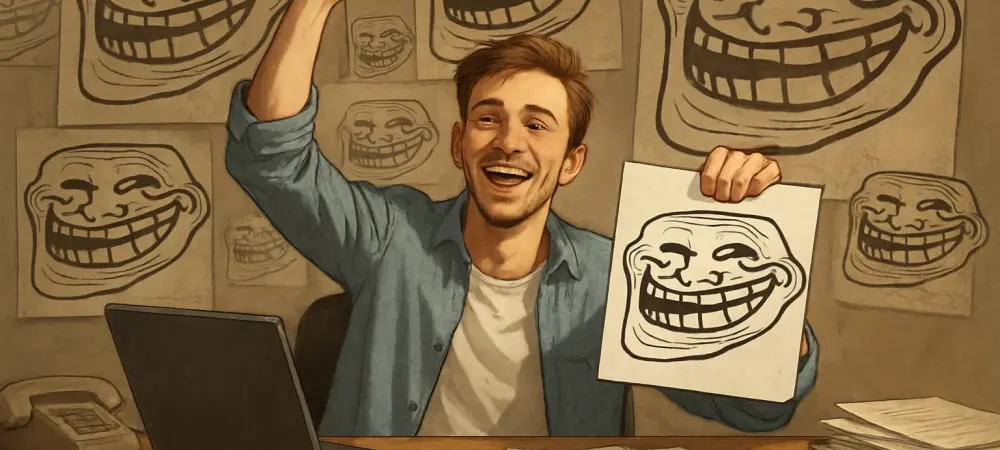
In a hyper-competitive job market where digital gatekeepers and automated systems often dictate professional destinies, one Chicago resident discovered that the most powerful tool in her arsenal was not a perfectly optimized resume, but a dash of humor and unfiltered authenticity. For Allie Latic, a 29-year-old with a freshly minted master’s degree, nearly two years of relentless job searching had yielded nothing but silence and soul-crushing rejections. Her story is a striking testament to how a single, unconventional social media post can achieve what hundreds of traditional applications cannot.
When 500 Applications Fail One Meme Succeeds
The journey for Latic began with high hopes after she completed her master’s degree in library and information science in May 2023. However, that optimism quickly faded as she found herself caught in a grueling two-year cycle of applying for jobs. The sheer volume of her efforts was staggering, with over 500 applications sent out to potential employers. Each one represented hours of work and a sliver of hope, but the results were consistently demoralizing.
This stark contrast between exhaustive effort and lack of reward set the stage for a dramatic pivot. Frustrated and drained, Latic decided to abandon the conventional playbook that had failed her so profoundly. In a moment of creative desperation, she turned to the very platforms often blamed for modern anxieties and crafted a post that would, in a single day, outperform two years of meticulous, traditional job hunting. Her experience highlights a growing disconnect between the prescribed methods of seeking employment and what actually captures human attention.
The Soul-Crushing Reality of the Modern Job Hunt
Latic’s struggle was not for a lack of qualifications or effort. Armed with her advanced degree, she diligently followed every piece of advice offered to the modern job seeker. She meticulously tracked each of her 500-plus applications in a spreadsheet, tailored her resume with keywords to satisfy Applicant Tracking Systems (ATS), and invested time in networking. For every promising role, she wrote a personalized cover letter designed to demonstrate her passion and suitability. Yet, her applications seemed to disappear into a digital void.
The emotional toll of this prolonged search was immense, chipping away at her confidence and sense of self-worth. One experience was particularly disheartening: after spending eight hours on a complex take-home assignment for a promising position, she received a terse, four-sentence automated rejection email. This incident crystallized the impersonal and often dehumanizing nature of the contemporary hiring process, leaving her feeling more like a dataset to be filtered than a person to be considered.
The Plz Hire Me Post That Changed Everything
It was at this low point that Latic’s frustration transformed into an unconventional and brilliant job pitch. Instead of drafting another carefully worded cover letter, she decided to create something that reflected her true personality and her exasperation with the process. This decision marked a critical turning point, shifting her strategy from one of conformity to one of creative disruption.
A Whim Becomes a Viral Sensation
Turning to the user-friendly design platform Canva, Latic crafted a playful, meme-style graphic with the bold heading, “Plz Hire Me.” The image featured her photo alongside a few disarmingly honest details, including her astrological signs and a “dog photo for tax” to add a touch of internet-savvy humor. Initially conceived as a satirical commentary on the attention economy and the performative nature of job hunting, she posted it in a large, Chicago-based women’s Facebook group at the encouragement of her friends.
The Overwhelming Response
The reaction was immediate and beyond anything Latic could have anticipated. The post quickly went viral within the group, attracting over 200 reactions and a flood of supportive comments. More importantly, it broke through the noise and reached the very people she had been struggling to connect with. In a single day, her inbox was flooded with 25 direct job leads from hiring managers and other professionals who were charmed by her candid approach and wanted to help.
Why Authenticity Trumped the Optimized Resume
In a sea of generic resumes and formulaic cover letters, Latic’s meme stood out for one simple reason: it was undeniably human. Its humor, vulnerability, and raw authenticity allowed her personality to shine through in a way that a list of qualifications never could. Recruiters and hiring managers, accustomed to sifting through countless polished but impersonal applications, were immediately drawn to its candid charm.
This human-centric approach effectively “stopped the scroll,” capturing the attention of professionals who were weary of the corporate veneer. The post demonstrated not only a sense of humor but also creativity and resilience—qualities that are highly valued but difficult to convey in a traditional resume format. By choosing to be vulnerable, Latic inadvertently created a more powerful and memorable personal brand than any optimized document could.
Landing a Job in an Unexpected Field
Among the many leads that came from her viral post, one stood out. The owner of a boudoir photography studio saw the meme and was immediately impressed by Latic’s cheerful and honest storytelling. She reached out and, after a series of conversations, offered Latic a part-time hybrid role as a studio manager. The connection was forged not through keywords but through a shared appreciation for genuine human expression.
Although the position is outside her direct field of study, Latic found that it allows her to use her core skills in a deeply fulfilling way. Her expertise in information gathering, empathetic communication, and supporting others proved to be a perfect fit for managing the studio’s operations and client relations. Moreover, she described the role as the healthiest work environment she has ever experienced, a testament to the power of finding a job through a connection based on personality and shared values.
Reflection and Broader Impacts
Latic’s unexpected success offers a powerful commentary on the state of professional recruitment and provides valuable insights for both job seekers and employers. Her journey from despair to employment underscores a growing sentiment that the current system is in need of a more human touch.
Reflection
The story reveals the profound strength in embracing vulnerability. In a hiring landscape that often feels impersonal and automated, Latic’s decision to be candid and creative proved to be her greatest asset. Her advice to other job seekers is simple yet potent: be human. By daring to showcase their unique personalities, applicants can remind potential employers that behind every resume is a real person with something unique to offer.
Broader Impact
This experience may also signal a larger shift in professional recruitment, particularly among younger generations like Gen Z who place a high value on authenticity over traditional corporate polish. Latic’s success suggests that in an oversaturated market, a unique and personal approach can be a far more effective strategy than perfect conformity. It challenges the long-held belief that professionalism requires erasing one’s personality, proposing instead that genuine connection can be a powerful differentiator.
A New Blueprint for the Discouraged Job Seeker
The key takeaways from Latic’s journey offer a new blueprint for anyone feeling lost in the modern job hunt. Her story demonstrates how a moment of creative frustration can break through barriers where conventional methods have repeatedly failed. It is a powerful reminder that sometimes, the best strategy is to step away from the rulebook and lead with one’s authentic self.
This narrative provides a compelling call to action for job seekers to consider leveraging their unique personalities and creativity as professional assets. In an era dominated by algorithms and automated responses, Latic’s viral meme serves as a powerful reminder that the most important connection is, and always will be, a human one.