

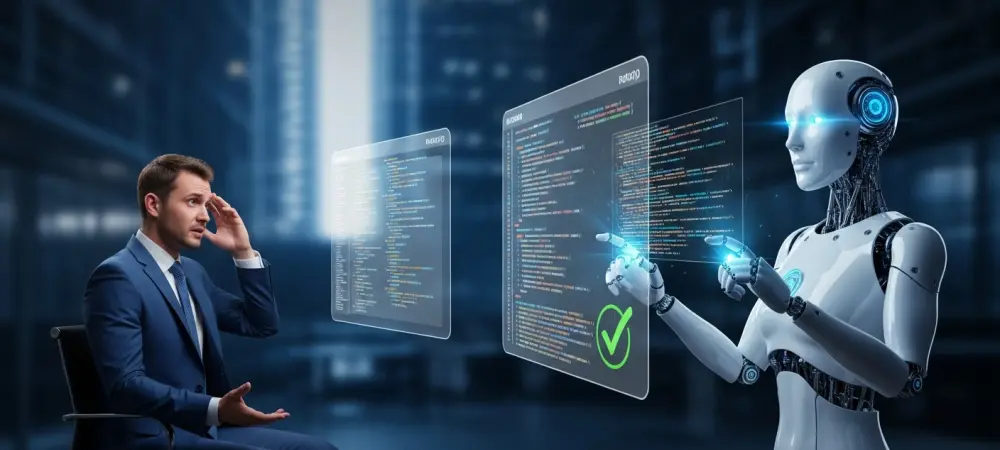
The traditional architecture of the technical hiring process is experiencing a seismic shift as high-level generative models fundamentally alter how recruiters distinguish between genuine problem-solving ability and machine-generated outputs. As the industry progresses through 2026, the technical recruitment landscape has reached a point where the debate is no longer about whether candidates should use AI, but rather how companies must redefine competence in a world where machine assistance is the universal standard. This tension reflects a fundamental clash between traditional vetting methods, which often prioritize rote memorization, and the practical, technology-driven realities of the modern software engineering workplace. For decades, the industry relied on standardized whiteboard challenges to filter talent, yet these methods now struggle to remain relevant when large language models can produce optimized code in a matter of seconds. Consequently, the focus is shifting toward how an engineer manages complexity and integrates automated tools into their daily workflow.
The Case for Artificial Intelligence as a Professional Necessity
Many modern job seekers have begun to view the classic technical interview, with its heavy emphasis on memorizing complex algorithms and esoteric data structures, as an obsolete hurdle that fails to measure true engineering ability. This sentiment has fostered a new sense of pragmatism where utilizing generative AI tools is seen not as a moral failing or a shortcut to be ashamed of, but rather as a necessary response to a fundamentally broken evaluation system. When the interview process fails to mirror the actual day-to-day responsibilities of a software role, candidates frequently feel justified in using technology to bridge the gap between abstract puzzles and practical application. This disconnect is particularly visible in the frustration expressed by senior developers who find themselves forced to prove their worth by solving academic riddles that have little to do with building scalable systems or maintaining production codebases. This shift has led to a widespread rejection of the gatekeeping culture that once defined tech hiring.
Within online developer communities, a defiant philosophy has emerged that treats generative artificial intelligence as a standard professional utility rather than a cheating device. Proponents of this view argue that since engineers are expected to leverage advanced tools like GitHub Copilot and ChatGPT in their professional environments, a strict ban on these same tools during an interview feels both artificial and counterproductive. For these candidates, the ability to effectively prompt a model and collaboratively refine its output is a vital modern skill that reflects their true potential more accurately than the ability to solve a riddle from memory alone. This perspective suggests that the current anxiety surrounding AI usage often stems from those who invested heavily in specialized interview-only knowledge that is now easily replicated by machines. As niche coding puzzles become trivial for software to solve, the market value of rote memorization has plummeted, forcing a total reassessment of what it means to be a skilled and efficient developer in the current year.
Detection Methods and Evolving Corporate Countermeasures
In direct response to the proliferation of automated assistance, hiring managers are moving away from simple technical surveillance and toward deeper behavioral analysis to identify machine-aided performance. Rather than simply watching for eye movements, unusual pauses, or screen switching, recruiters are now trained to look for specific signatures in speech and code delivery that suggest a candidate is reading from a hidden script. These signatures often include overly polished explanations, repetitive linguistic structures, or a sudden lack of hesitation when navigating highly complex logic. The ultimate test of professional expertise has become the candidate’s ability to explain the underlying logic behind a solution in real-time. Those who rely too heavily on automated tools often struggle to defend their architectural choices or adapt their code when faced with sudden, new constraints introduced during the live session. This method prioritizes the human’s role as the primary architect who must justify every line of code. Major global corporations are currently split between two radical strategies regarding the integration of generative tools: strict prohibition and full organizational integration. Companies like Amazon and EY have issued formal guidelines to disqualify candidates who are caught using generative models during the assessment phase, emphasizing a back-to-basics approach to verify raw human judgment. These organizations believe that fundamental logic must be verified in an isolated environment to ensure the candidate possesses a baseline level of critical thinking. Conversely, forward-thinking organizations like Canva have leaned into the change, actively encouraging the usage of artificial intelligence during interviews to observe how a candidate collaborates with technology to solve complex, real-world problems. This divide has sparked a technological arms race between integrity-monitoring platforms and sophisticated AI assistants designed to fly under the radar, creating a bifurcated market where candidates must adapt their strategies based on a company’s stance.
Redefining Competency Through Collaborative Evaluation Frameworks
The ongoing battle to police candidate behavior is increasingly viewed by industry experts as a losing endeavor that often leads to a cycle of intrusive and alienating surveillance. Many specialized recruitment platforms have introduced advanced telemetry to monitor keystrokes and environmental audio, but these measures often create a high-stress atmosphere that can hinder a candidate’s actual performance. The most successful strategies emerging in 2026 involve a shift toward human-centric evaluations that prioritize the thought process over the mere ability to produce a correct answer. By focusing on open-ended system design questions and collaborative debugging sessions, firms can gain a clearer picture of how a person thinks through problems rather than how well they can hide their use of external aids. This approach acknowledges that the value of an engineer lies in their ability to navigate ambiguity and make informed trade-offs, tasks that still require a significant amount of human oversight and nuanced decision-making.
To stay ahead of these disruptions, forward-looking organizations took several proactive steps to modernize their talent acquisition pipelines. They moved away from isolated coding tests and instead implemented project-based assessments that allowed candidates to demonstrate their ability to work within existing codebases while using any tools at their disposal. Hiring teams also began to value the justified reasoning model, where the final code was less important than the candidate’s ability to explain why a specific approach was chosen over another. This transition essentially moved the interview from a test of memory to a test of judgment and collaboration. Leaders in the tech sector realized that the most effective way to evaluate a developer was to simulate the actual office environment as closely as possible. By embracing the human-machine partnership, these companies successfully identified engineers who could not only code but also lead projects in an increasingly automated world. These strategic adjustments ensured that technical talent remained both relevant and resilient.