

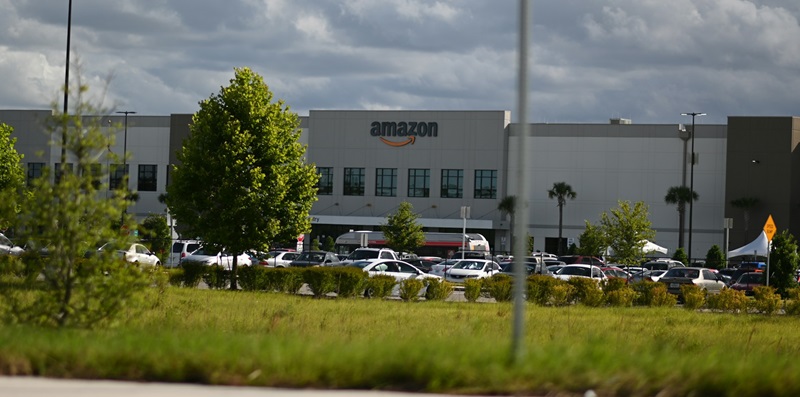
The French Data Protection Authority (CNIL) has recently made a significant move by imposing a hefty fine of €32 million on retail giant Amazon for what it deems as “excessive” monitoring of its employees’ activities and performance. This landmark decision by the CNIL underscores the importance of data protection and privacy in the workplace and raises important questions about the balance between monitoring for operational purposes and respecting employees’ rights.
CNIL’s Ruling on Amazon’s Employee Monitoring System
Under the country’s General Data Protection Regulation, the CNIL ruled that the indicators used in Amazon’s employee monitoring system were unlawful. The decision brings attention to the inherent tension between an employer’s need to ensure efficiency and productivity, and employees’ rights to privacy and autonomy.
Illegality of Monitoring Work Interruptions
One crucial aspect of the CNIL’s ruling was the illegality of Amazon’s system in measuring work interruptions with a level of accuracy that potentially requires employees to justify every break or interruption. This level of scrutiny infringes upon employees’ freedom to take necessary breaks and can lead to an atmosphere of constant surveillance.
Excessive Data Retention by Amazon
Another important aspect highlighted by the CNIL’s decision was Amazon’s practice of retaining all collected data for 31 days and storing the results of statistical indicators. This extensive data retention is seen as excessive, raising concerns about the potential misuse or unauthorized access to this sensitive employee information.
Amazon’s Dispute
Amazon has openly disputed the CNIL’s findings, claiming that such employee monitoring systems are considered “industry standard” with the main objective of ensuring safety, quality, and operational efficiency. The company maintains that these systems are necessary for tracking inventory storage and package processing, while also meeting customer expectations.
Employee Monitoring as Industry Standard in the US
While the CNIL’s ruling against Amazon is groundbreaking in a European context, it is important to recognize that employee monitoring is not uncommon in other parts of the world. In the United States, for instance, a report released last year revealed that 96% of remote companies utilize some form of employee monitoring software. This finding points to the growing acceptance of monitoring practices but also raises concerns about the potential ramifications on employees’ well-being and job satisfaction.
Consequences of Employee Monitoring in the US
IT managers in the US have observed several negative consequences associated with the use of monitoring tools. These include an increase in employee turnover, as 28% of employees tend to quit when such tools are implemented. Additionally, 27% of IT managers face difficulty in hiring new employees, which can have implications for productivity and organizational culture. The use of monitoring tools has been linked to a decrease in overall morale (26%), heightened employee anxiety (30%), and faster burnout rates (28%).
The CNIL’s decision to fine Amazon for excessive employee monitoring sends a clear message about the need to balance employers’ operational objectives with employees’ rights to privacy and autonomy. While employee monitoring systems may be deemed “industry standard” in some contexts, the potential negative consequences on employees’ well-being and job satisfaction cannot be ignored. This ruling serves as a reminder of the ongoing debate surrounding workplace surveillance and the importance of establishing appropriate boundaries to protect employees’ rights in an increasingly data-driven world.