

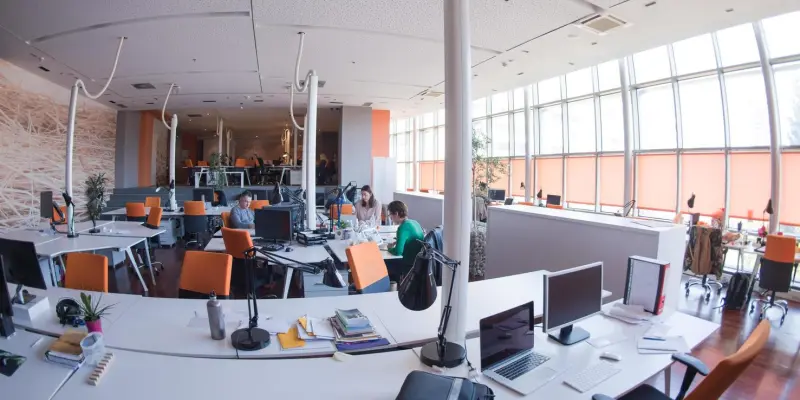
Open office plans have become a prevalent trend in modern workplaces, sparking debates about their impact on productivity. This article delves into the origins, benefits, and drawbacks of open office layouts, examining whether they enhance or inhibit productivity and under what conditions they might be more beneficial or detrimental.
The Origins and Popularity of Open Office Plans
The Birth of Open Office Spaces
Open office spaces originated in Germany in the 1950s under the concept of “bürolandschaft” or “office landscape.” This innovative design aimed to eliminate workplace hierarchies, fostering a more collaborative and democratic environment. Over the past few decades, this concept has evolved significantly, adapting to the needs of various industries and organizations. The open office layout quickly gained traction globally, especially in tech-driven workplaces, where collaboration and transparency were paramount for driving innovation.
The idea truly captured widespread attention in the United States when major corporations like Google and Facebook pioneered its implementation. In 2005, Google redesigned its primary offices embracing the open office layout, promoting a culture of openness and creativity. By 2015, Facebook followed suit with the world’s largest open office space, further solidifying the trend’s prominence. These developments not only highlighted the potential benefits of open office plans but also set the stage for their broader adoption across various sectors.
Adoption by Major Companies
By 2020, two-thirds of U.S. knowledge workers operated in open-office environments, reflecting the widespread embrace of this design approach. The impact of the open office model became increasingly apparent as more companies recognized the value of fostering collaboration and reducing overhead costs. For instance, open offices emerged as a solution for smaller firms to maximize both their physical and financial resources. Notably, the preference for open areas has continued to grow, with a significant 71 percent of workers in 2023 still favoring such settings for collaborative tasks, according to recent surveys.
The journey of open office plans from a novel experiment to a mainstream organizational feature reflects a significant shift in workplace design philosophy. The emphasis on flexibility, transparency, and teamwork aligns well with the evolving workforce’s demands. However, while the initial allure of open office plans seems promising, it is essential to explore their multifaceted impact on productivity comprehensively.
Advantages of Open Office Plans
Cost Savings
One of the most compelling advantages of open office setups lies in their financial benefits, which have proven particularly valuable for small businesses. By minimizing the need for additional office space and expensive partitions, companies can significantly reduce overhead costs. Cubicles and private offices require substantial investments in terms of both construction and maintenance, whereas open layouts allow more employees to work within a smaller area. This cost-effective approach not only saves money but also enables organizations to utilize their physical spaces more efficiently, maximizing their return on investment.
Moreover, open offices can mitigate issues related to employee disengagement by fostering closer supervision and interaction. In an open environment, management can more easily identify signs of employee burnout and address them promptly. By enhancing engagement and reducing stress, these setups ultimately improve productivity and contribute to long-term cost savings. The ability to create a dynamic and fluid workspace also allows businesses to adapt to changing needs and growth without the constraints of fixed, segmented office designs.
Increased Collaboration
Open offices significantly promote a sense of shared mission among employees and managers. The non-hierarchical, relaxed atmosphere created by these layouts fosters enhanced communication and interaction among co-workers, which, in turn, boosts productivity, creativity, and innovation. The synergy generated within open spaces encourages spontaneous idea exchanges and leads to faster problem-solving. Kiana Porter-Isom, chief improvement officer at Reading Horizons, notes that the collaborative nature of open offices can create opportunities for fresh ideas and expedite decision-making processes.
Incorporating shared workspaces breaks down barriers between employees and enhances team dynamics, fostering a culture of teamwork and mutual support. This environment benefits not only routine interactions but also cross-functional projects, where collaboration between different departments is critical. By removing physical barriers, open offices facilitate seamless communication, enabling employees to work together more effectively and efficiently. This heightened level of interaction ultimately drives better performance and innovation across the organization.
Transparency
The open layout inherently nurtures a sense of community and fosters business transparency. Shared workspaces make it easier to disseminate information quickly and keep teams updated on important developments and objectives. This transparency in communication contributes to a more aligned and cohesive work culture, where everyone is aware of the goals and can work together towards achieving them. Improved relationships between managers and employees further facilitate efficient and effective problem-solving processes, positively influencing overall workplace productivity.
By breaking down traditional office barriers, open plans also encourage accountability and mutual respect among colleagues. When employees and managers share the same space, it fosters a level of openness and trust that can enhance collaboration and organizational loyalty. Additionally, the visibility of management and their engagement with employees can build a more robust and motivated workforce, as employees feel more connected to the organization’s leadership and mission. Consequently, the combination of transparency and communal spirit in open offices can lead to a more motivated and productive work environment.
Drawbacks of Open Office Plans
Distractions
Despite the significant benefits of open office plans, they come with notable challenges, particularly concerning distractions. The shared environment often leads to persistent disturbances, such as noise from conversations, ringing phones, and random interruptions. These disruptions can significantly waste time and drain productivity, as employees struggle to maintain focus amidst the constant activity. The lack of control over their environment can exacerbate these issues, leaving workers feeling powerless to manage their surroundings effectively.
To combat these distractions, several strategies can be employed to enhance the open office experience. Utilizing noise-canceling headphones can help employees create a personal bubble of quiet, reducing the impact of background noise. Implementing “do not disturb” signs can signal to co-workers when someone is engaged in focused work and should not be interrupted. Additionally, establishing quiet hours—scheduled periods during which the workspace is kept free from unnecessary noise—can facilitate concentrated work. These measures can help mitigate the negative impact of distractions, allowing employees to remain productive in an open-office setting.
Increased Stress Levels
The background noise and general chaos inherent in open offices can significantly elevate stress levels and impede cognitive performance. According to a study published by Cambridge University Press, simulated open-office noise resulted in a 34 percent increase in sweat response and a 25 percent rise in negative mood within just eight minutes. These findings highlight the potential for over-stimulation in such environments, which can elevate stress levels and impair employees’ productivity and overall well-being. Over time, the accumulation of stress can lead to burnout, further exacerbating the challenges of maintaining a productive work environment.
Organizations must recognize the impact of stress and take proactive measures to create a more accommodating atmosphere. Providing designated quiet zones or soundproof areas where employees can retreat to focus on tasks without noise interference can alleviate some of the stress associated with open office plans. Additionally, promoting regular breaks and encouraging employees to take time to decompress can help in managing stress levels more effectively. By addressing the root causes of stress in open office environments, companies can foster a more supportive and productive workplace.
Lack of Privacy
The inherent lack of privacy in open offices can significantly impede focus and personal productivity. Employees may struggle with personal or sensitive work-related communications when situated close to their colleagues. The absence of confidential areas can be detrimental to tasks that require undivided attention or discretion, hindering concentration and ultimately reducing overall productivity. This lack of privacy may also lead to employees feeling self-conscious or uneasy about discussing certain matters, further affecting their workplace experience and efficiency.
To alleviate privacy concerns, incorporating designated private spaces within the open office layout is crucial. Private alcoves or soundproof rooms can provide areas for confidential discussions and focused work without distractions. Additionally, establishing clear guidelines around the use of these spaces can ensure they are accessible to anyone when needed, fostering a more balanced and accommodating work environment. By addressing privacy issues, companies can create a workspace that supports both collaborative and individual productivity.
Higher Sickness Rates
Open office environments contribute to higher sickness-related absenteeism as viruses spread more quickly among closely positioned workers. The increased physical proximity of employees facilitates the transmission of illnesses, leading to higher rates of sickness and absenteeism. These dynamics are further compounded by the high-stress levels often associated with open offices, which can weaken immune systems and exacerbate health issues. Consequently, increased sickness rates result in productivity losses that can be detrimental to the overall functioning of an organization.
Hybrid work arrangements, combining remote and in-office days, can help mitigate these issues by reducing the number of people in the office simultaneously. This approach not only minimizes the risk of illness transmission but also allows employees to benefit from focused work periods at home. According to an IWG report from 2024, 88 percent of employees value hybrid schedules as a key benefit for productivity and health. By adopting flexible work arrangements, companies can maintain the collaborative benefits of an open office while significantly reducing the potential downsides.
Strategies to Balance Open Office Plans
Providing Respite Spaces
To counteract the negatives of open office plans while retaining their benefits, organizations should integrate private alcoves, work bays, and breakout rooms within the layout. These designated spaces allow employees to hold confidential meetings, concentrate on challenging tasks, or simply take a break from the communal environment. The availability of such areas ensures that employees can adapt their workspace according to their immediate needs, fostering an empowered culture and enhancing morale and performance.
For example, private alcoves can serve as temporary retreats where individuals can focus on work that requires deep concentration without interruptions. Work bays can provide semi-private seating areas with minimal isolation from the rest of the office, striking a balance between openness and individual focus. Breakout rooms can be designed for both relaxation and brainstorming sessions, offering employees a versatile space that caters to different activities. By thoughtfully incorporating these elements, companies can create a more flexible and supportive work environment.
Making Small Changes
Simple adjustments can significantly enhance the open-office experience, making it more conducive to productivity and well-being. Ensuring adequate space between work areas can prevent feelings of overcrowding and promote a sense of personal space. Quality airflow, natural lighting, and ergonomic workstations are essential components that can improve employee comfort and health. Access to green spaces or incorporating plants within the office can also create a more pleasant and soothing environment, reducing stress and enhancing overall job satisfaction.
Moreover, incorporating adjustable desks and seating options can allow employees to personalize their workstations, contributing to their comfort and productivity. Implementing efficient storage solutions can help maintain an organized and clutter-free workspace. These small but impactful changes demonstrate a commitment to employee well-being and can significantly enhance the open office experience. By prioritizing these adjustments, companies can create an environment that supports both collaborative and individual work needs.
Fostering an Inviting Company Culture
Open office plans have become increasingly popular in modern workplaces, generating significant debate over their impact on productivity. Some argue that these open layouts foster better communication and collaboration among employees. By removing physical barriers and creating a more social environment, proponents believe open offices can lead to increased creativity and faster problem-solving.
However, not everyone is convinced of their benefits. Critics point out that open offices can be noisy and distracting, making it difficult for employees to focus on individual tasks. This lack of privacy can also lead to increased stress and decreased job satisfaction. Studies have shown mixed results, with some indicating that open offices can lead to more interruptions and lower productivity, while others suggest that they can boost team cohesion and overall work performance.
Examining these factors, it appears that the success of an open office layout largely depends on the nature of the work being done and the specific needs of the employees. For tasks requiring high concentration and confidentiality, open offices might be less effective. Conversely, for roles that thrive on teamwork and frequent interaction, open office plans can be beneficial. Ultimately, the decision to implement an open office layout should be carefully considered, taking into account the potential advantages and drawbacks to determine if it aligns with the goals and culture of the organization.