

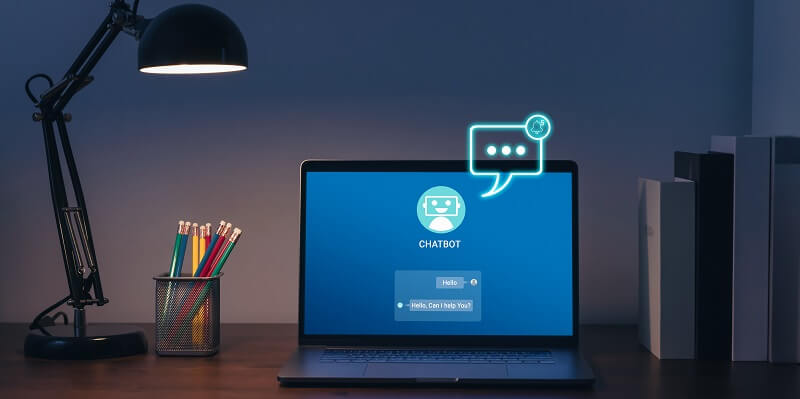
In today’s fast-paced business environment, it is crucial for HR teams to adapt and leverage the power of technology to stay ahead. Artificial Intelligence (AI) has emerged as a game-changer, enabling HR professionals to streamline processes, enhance decision-making, and improve the overall employee experience. By incorporating AI into their operations, organizations can unlock a multitude of benefits and propel their HR functions to new heights.
The importance of maintaining a human touch in HR
While AI offers unprecedented opportunities for automation, there will always be aspects of HR that require the personal touch only humans can provide. The empathy, intuition, and emotional intelligence inherent in HR professionals are irreplaceable and play a vital role in fostering meaningful connections with employees. Striking a balance between AI and human interaction is essential to ensure employees feel valued, understood, and supported.
The Impact of AI on Recruitment: The Rise of Chatbots
Recruitment is one area where AI has made a significant impact, revolutionizing the way companies attract and engage top talent. One major innovation in this realm is the emergence of recruitment chatbots. These intelligent conversational agents are designed to interact with job candidates, answer queries, provide information, and facilitate a seamless candidate experience.
The Capabilities of Effective Recruitment Chatbots: Weeding Through Candidates and Early Engagement
An effective recruitment chatbot serves as a virtual HR assistant, capable of identifying potential candidates who match specific job requirements and organizational culture. By leveraging AI algorithms, these chatbots can quickly analyze resumes, screen applicants, and generate shortlists based on predetermined criteria. Additionally, they engage candidates early in the recruitment funnel, providing personalized information, answering FAQs, and even scheduling interviews or assessments.
HireVue: Video Interview Software for Flexible HR Management
As technology progresses, video interview software such as HireVue has become increasingly popular among HR professionals. This tool allows HR managers to remotely watch pre-recorded video interviews at their convenience, enabling flexibility in the recruitment process and reducing logistical constraints. By leveraging AI-powered video analysis, HireVue can also help identify key traits and competencies displayed by candidates during interviews, supporting more informed hiring decisions.
Olivia: An Automated Funnel and Follow-up Solution for Job Candidates
One of the well-known chatbot solutions in the HR market is Olivia. This advanced AI-powered virtual assistant efficiently moves job candidates along an automated recruitment funnel. It schedules touchpoints, interviews, and reminders while offering personalized updates and interacting with candidates throughout the entire candidate experience. Furthermore, Olivia acts as a catalyst for follow-up, ensuring communication with candidates who may have unintentionally fallen out of the hiring process.
“Brazen”: A Virtual Career Fair Platform for Companies
In today’s digital era, companies are increasingly turning to virtual career fairs to connect with a wider talent pool. Brazen is an innovative platform that facilitates virtual career fairs, enabling employers to engage with candidates in real-time through live text, audio, or video conversations. With AI-enabled features like automated pre-screening and matching algorithms, Brazen presents a scalable solution for companies looking to enhance their recruitment events and efficiently reach potential candidates.
Eightfold: An Impressive Question-Answering Recruitment Chatbot
Eightfold is a recruitment chatbot that showcases remarkable capabilities in answering a wide range of questions posed by incoming candidates. Its AI-driven technology allows it to provide accurate responses, whether they are simple or complex, helping candidates quickly find the information they need. By reducing the reliance on human intervention for repetitive and time-consuming tasks, Eightfold frees HR professionals to focus on more strategic aspects of recruitment and talent management.
The importance of trying out chatbots to assess usability and benefits
Integrating AI-powered chatbots into HR processes may seem daunting at first; however, it is crucial for organizations to explore and experiment with chatbot technology. To ensure a successful implementation, HR teams should consider conducting a trial period to assess the chatbot’s usability, measure its impact on efficiency, and gather feedback from both candidates and HR professionals. This iterative approach allows for optimization and customization, ensuring the chatbot aligns with the organization’s unique requirements.
As HR professionals navigate the complex landscape of AI, it is paramount to strike a balance between leveraging technology and preserving the human touch. AI-powered tools like recruitment chatbots, virtual career fair platforms, and video interview software offer immense value by enhancing efficiency, enabling scalability, and providing actionable insights. However, organizations must remember that the human element remains at the heart of HR. By embracing AI intelligently and thoughtfully, HR teams can unlock the full potential of technology while preserving the essence of true human resources. Embrace AI without fear and leverage its power to empower HR professionals, improve talent acquisition, and foster a fulfilling employee experience.