

Setting the Stage for HRtech Transformation
In today’s fast-paced business environment, HR technology stands at a critical juncture, grappling with the challenge of managing a workforce that is increasingly hybrid, diverse, and skill-dependent. A staggering statistic reveals that over 60% of organizations struggle with skill gaps that hinder their ability to adapt to technological advancements, underscoring a pressing need for innovative solutions that go beyond traditional HR tools. This gap paves the way for a deeper understanding of workforce dynamics. Enter Cognitive Workforce Twins, an AI-driven concept that promises to redefine how companies simulate, predict, and optimize their human capital.
The HRtech industry has evolved significantly, driven by the integration of artificial intelligence and data analytics into core functions like talent management and employee engagement. As organizations navigate complex challenges such as remote work models and rapid automation, the demand for predictive and proactive tools has never been higher. This report delves into the emergence of Cognitive Workforce Twins as a transformative force, exploring their potential to reshape workforce management and address long-standing inefficiencies in the sector.
Understanding Cognitive Workforce Twins in HRtech
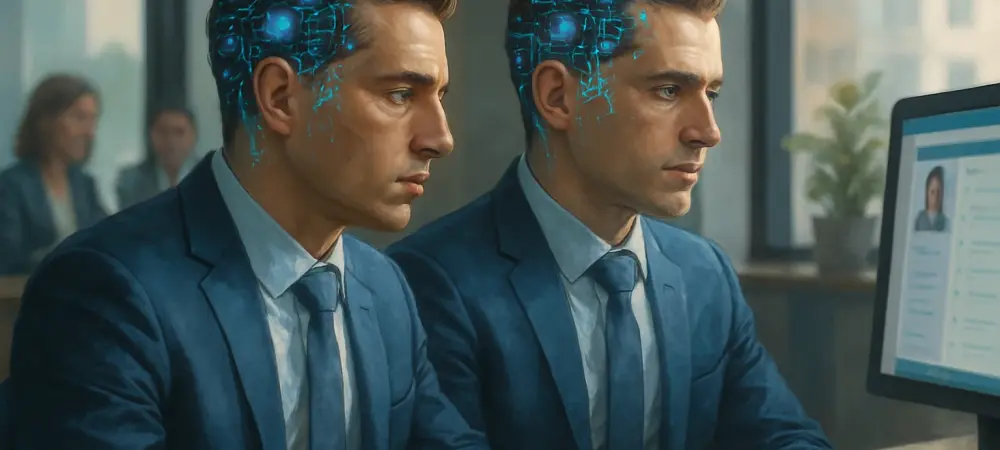
Cognitive Workforce Twins represent a groundbreaking innovation in HRtech, characterized as AI-powered digital replicas that mirror an organization’s workforce by simulating skills, behaviors, and cultural dynamics. Unlike conventional HR systems that rely on static data, these twins create dynamic models capable of evolving with real-time inputs, offering a comprehensive view of how employees interact and adapt. This technology marks a significant departure from traditional tools, focusing on foresight rather than mere historical analysis.
The significance of this concept lies in its ability to transcend basic HR functions like payroll or compliance, instead providing a platform for predictive workforce planning. By leveraging vast datasets and AI algorithms, Cognitive Workforce Twins enable leaders to test scenarios and anticipate outcomes, such as the impact of policy changes on employee morale. Major players in the market, alongside advancements in data integration, are driving adoption, positioning this innovation as a cornerstone of modern HR strategies.
However, the rise of such technology also brings regulatory and ethical considerations to the forefront. Issues surrounding data privacy and employee consent must be addressed to ensure trust and compliance with global standards. As the landscape continues to evolve, balancing innovation with responsibility remains a critical focus for stakeholders in this space.
Current Trends and Market Insights in HRtech Innovation
Emerging Trends Driving Cognitive Workforce Twins
The HRtech sector is witnessing a profound shift from static analytics to dynamic, predictive simulations, with Cognitive Workforce Twins at the helm of this transformation. This evolution allows organizations to move beyond retrospective reporting, instead modeling future workforce scenarios with precision. Such capabilities empower HR leaders to address challenges proactively, whether it’s identifying potential skill shortages or mitigating turnover risks.
Key enablers of this trend include rapid advancements in AI, seamless data integration, and real-time modeling technologies. These tools facilitate the creation of holistic workforce representations, capturing everything from individual competencies to team interactions. Additionally, evolving organizational needs—such as adapting to hybrid work environments, reskilling for automation, and ensuring cultural alignment—are fueling the demand for such sophisticated solutions.
This shift also opens new opportunities for HR professionals to redefine their roles as strategic partners. By harnessing predictive insights, they can design targeted interventions, such as personalized learning programs or cultural initiatives, to enhance workforce resilience. The focus on proactive management signals a broader transformation in how human capital is nurtured and optimized.
Market Data and Growth Projections
The market for AI-driven HRtech solutions, including Cognitive Workforce Twins, is experiencing robust growth, with current estimates valuing the segment at several billion dollars globally. Adoption rates are climbing steadily, particularly among large enterprises seeking to enhance workforce planning. Industry reports project significant expansion over the next few years, with growth expected to accelerate from now through 2027.
Performance indicators highlight the tangible benefits of these technologies, with organizations reporting substantial returns on investment through improved predictive planning and elevated employee engagement metrics. For instance, companies utilizing such tools have noted reductions in attrition by up to 20% through early identification of risk factors. These outcomes underscore the strategic value of investing in advanced HRtech.
Looking ahead, the integration of Cognitive Workforce Twins is poised to reshape market dynamics, driving competition and innovation. As more organizations recognize the advantages of predictive simulations, the HRtech landscape will likely see increased consolidation and collaboration among technology providers, further amplifying the reach and impact of these solutions.
Challenges in Implementing Cognitive Workforce Twins
The adoption of Cognitive Workforce Twins is not without hurdles, particularly in the realm of technology. Data integration complexities pose a significant barrier, as disparate systems must be unified to create accurate simulations. Moreover, the need for real-time updates demands robust infrastructure, which can strain existing IT capabilities in many organizations.
Ethical and privacy concerns also loom large, with employee consent and data security at the forefront of discussions. The risk of algorithmic bias in simulations could inadvertently perpetuate inequities if not addressed. These issues necessitate careful consideration to ensure that the technology serves as a tool for empowerment rather than a source of contention.
Market-driven challenges, such as high implementation costs and organizational resistance to change, further complicate deployment. To mitigate these obstacles, strategies like establishing ethical frameworks, fostering transparent communication, and adopting phased implementation plans are essential. Such approaches can help build acceptance and demonstrate value over time, easing the transition to AI-driven workforce management.
Regulatory and Ethical Landscape for AI in HRtech
Navigating the regulatory environment is crucial for the successful deployment of AI in HRtech, with data protection laws like GDPR and CCPA setting stringent guidelines for data usage. Compliance with these regulations ensures that employee information is handled responsibly, safeguarding against potential legal repercussions. Organizations must prioritize adherence to these standards to maintain credibility and operational integrity.
Ethical considerations are equally paramount, emphasizing fairness and transparency in how workforce simulations are conducted. Establishing clear policies on data usage and ensuring employees understand the purpose and scope of digital twins can foster trust. This balance between innovation and accountability is vital for long-term acceptance of such technologies.
Security measures play a pivotal role in protecting sensitive employee data, mitigating risks of breaches that could undermine confidence in Cognitive Workforce Twins. As regulatory frameworks continue to evolve, their impact on scalability and deployment will likely shape the pace of adoption. Staying ahead of these changes through proactive compliance strategies will be key for organizations aiming to leverage this technology effectively.
The Future of Cognitive Workforce Twins in HRtech
The trajectory of Cognitive Workforce Twins points toward deeper integration within HR ecosystems, fueled by emerging AI capabilities like advanced machine learning. These advancements promise to enhance the precision of simulations, capturing even more nuanced aspects of workforce behavior. As a result, HR leaders can expect more granular insights to inform strategic decisions.
Potential disruptors, such as shifts in workforce expectations or breakthroughs in predictive analytics, could further accelerate the evolution of this technology. Growth areas like organizational learning, cultural adaptation, and global talent management are likely to see significant applications, expanding the utility of digital twins. This versatility positions the technology as a critical asset in addressing diverse HR challenges.
Innovation, coupled with evolving regulations and global economic conditions, will continue to influence widespread adoption. Organizations that prioritize adaptability and invest in scalable solutions will be better equipped to harness the full potential of Cognitive Workforce Twins. The coming years will likely reveal new dimensions of how AI can transform human capital management on a global scale.
Reflecting on Findings and Future Steps
Looking back, this report delved into the transformative impact of Cognitive Workforce Twins on HRtech, uncovering their role in shifting workforce management from reactive to predictive approaches. The exploration of trends, challenges, and regulatory landscapes painted a comprehensive picture of an industry on the cusp of significant change. Insights into market growth and ethical considerations provided a balanced view of the opportunities and responsibilities tied to this innovation.
Moving forward, organizations are encouraged to take actionable steps by prioritizing integration with existing systems to maximize the utility of digital twins. Investing in transparent communication with employees about data usage emerges as a critical measure to build trust and mitigate resistance. Additionally, fostering partnerships with technology providers can facilitate smoother adoption and customization of solutions tailored to specific needs.
A key takeaway is the importance of continuously monitoring regulatory developments to ensure compliance and adaptability. By focusing on employee empowerment through personalized development initiatives driven by predictive insights, companies can position themselves as leaders in nurturing human capital. These steps, grounded in the findings, offer a roadmap for harnessing AI’s potential while navigating its complexities with foresight and responsibility.