

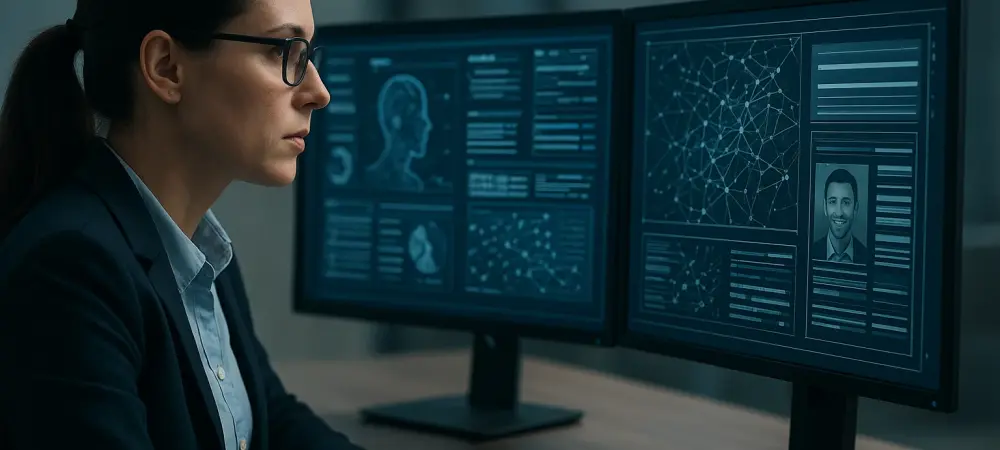
Modern hiring fraud has evolved beyond simple resume padding to include the use of AI-generated personas that can bypass standard video conferencing security. Modern hiring fraud has evolved beyond simple resume padding to include the use of AI-generated personas that can bypass standard video conferencing security. As the reliance on remote work remains a cornerstone of the global economy, the sophistication of these fraudulent tactics has outpaced traditional security protocols. Today, hiring managers are no longer just looking for the right skills; they are engaged in a constant battle against synthetic media and sophisticated identity theft. High-stakes roles, once secured by a simple video interview and a background check, are now being targeted by advanced actors who utilize generative models to mimic real humans. This evolution has created a landscape where the visual and auditory cues we once trusted are easily manipulated. Consequently, the traditional barriers to entry for remote positions have become porous, allowing malicious entities to infiltrate organizations with alarming ease. To combat this, a fundamental shift in how we authenticate the human element in the professional sphere is required.
The Evolution of High-Tech Employment Fraud
The Vulnerability: Legacy Identity Verification Systems
The conventional framework for background screening, which largely relied on a government-issued ID and a face-to-face video encounter, has effectively collapsed under the weight of generative artificial intelligence. These legacy methods were designed for an era when fabricating a convincing digital presence required immense technical resources, but today, AI tools have democratized this capability. Reports indicate that state-sponsored groups have successfully exploited these vulnerabilities to secure lucrative remote positions across various sectors. By using stolen American identities, these actors have generated hundreds of millions of dollars in illicit revenue, funding operations that pose significant geopolitical risks. The consensus among cybersecurity experts in 2026 is that a digital representation of a person can no longer be accepted at face value. This systemic failure highlights a desperate need for verification systems that can distinguish between a living participant and a sophisticated synthetic replay in real time.
High-Value Targets: Engineering and Remote Roles
The distribution of this fraud is not uniform across all industries, as technical roles are being targeted with surgical precision. Data analyzed by industry leaders reveals a stark contrast in fraud rates between different career paths, with software and AI engineering roles seeing a staggering 50 percent fraud flag rate. This is significantly higher than the 23 to 27 percent rates observed in more traditional fields like sales or marketing. The reasoning is clear: these roles offer the highest compensation and the most autonomy, making them the most profitable targets for those running identity-theft operations. Furthermore, the specialized nature of technical work often allows fraudulent employees to outsource their tasks to a secondary workforce, further obfuscating their true identity. This trend has forced companies to reconsider the level of scrutiny applied during the recruitment phase. This disparity serves as a warning that specialized talent pools are the primary battleground for organizational integrity.
Strategic Defenses and the Continuous Verification Model
The Solution: Implementing Multilayered Biometric Security
To address these emerging threats, organizations are moving toward a layered defense mechanism that integrates biometric identity verification with deep signal intelligence. Modern fraud detection suites now utilize AI-powered resume analysis that compares personally identifiable information against massive graph databases containing hundreds of millions of verified profiles. This process is supplemented by liveness detection technology, which requires candidates to provide real-time biometric matches, such as selfie videos, to ensure the presence of a physical person. Beyond just visual confirmation, these systems monitor technical signals like device location, VPN usage, and the presence of emulators that might indicate a candidate is masking their true geographic position. By correlating these data points, security systems can flag inconsistencies that a human recruiter would likely miss. This technological layering ensures that the individual interacting with the HR team is indeed who they claim to be.
Moving Forward: The Shift Toward Ongoing Integrity
The transition from point-in-time checks to a model of continuous verification marked a pivotal change in how corporations managed workforce risk. In the past, once an employee cleared their initial screening, the level of scrutiny decreased significantly, creating a window of opportunity for fraudulent replacement post-onboarding. To mitigate this, new strategies involved periodic re-verification and constant monitoring of identity signals throughout the employment lifecycle. This approach ensured that the person who initially applied for the position was the same individual performing the daily tasks and accessing sensitive company data. By synthesizing image comparison, credential verification, and ongoing biometric checks, businesses maintained a cohesive narrative of a candidate’s identity from application through their entire tenure. This proactive stance effectively ended the era of “set it and forget it” checks. Instead, it fostered a culture of ongoing integrity, which was essential for protecting financial assets and data.