

The COVID-19 pandemic has irrevocably changed workplace dynamics, sparking a debate on the future of in-person work. Ruchi Kulhari, CHRO of Unisys, addresses the complexities and benefits of migrating to a hybrid working model. This strategy balances remote work flexibility with meaningful in-office interactions to foster community and collaboration.
The Need for Human Connection
Hybrid Work’s Role in Employee Well-being
Employees have experienced significant benefits from remote work, including enhanced flexibility and work-life balance. However, Kulhari argues that the downsides, such as isolation and reduced engagement, are driving a need for balanced solutions. Transitioning to a hybrid model can mitigate these negative effects by reintroducing crucial human interactions that enhance personal health and job satisfaction.
To address these concerns, companies are implementing hybrid work models that combine the benefits of remote flexibility with essential human connection through in-person interactions. A balanced approach can help decrease feelings of isolation and improve overall employee morale. The human element is crucial for fostering a supportive and engaging work environment that supports both personal and professional growth.
Understanding Employee Reluctance
Despite remote work’s perks, many employees are hesitant to return to the office. To address this, employers must focus on creating collaborative and supportive environments that encourage trust and communication. Employees need to feel that their concerns are understood and valued, whether it’s related to health and safety or balancing work and family responsibilities.
Efforts to ease this transition can include ensuring that the physical office space is comfortable and accommodating, as well as implementing flexible work policies that allow for a smooth adjustment period. By prioritizing these aspects, companies can help alleviate employee anxiety and cultivate a sense of belonging and engagement, ultimately facilitating a successful return to in-office work.
Striking the Right Balance
Implementing a Three-Day On-site Model
Kulhari highlights Unisys’s three-day on-site work model, which perfectly balances the benefits of remote work with necessary in-person interactions. This model supports flexibility while fostering community and innovation. The key is ensuring that these in-office days are used effectively to nurture relationships and collaboration, rather than focusing on superficial perks.
The three-day on-site model encourages employees to come to the office for meaningful engagements, such as team meetings and project brainstorming sessions, rather than merely clocking in time. By structuring in-office days to promote interaction and idea-sharing, employers can enhance team cohesion and drive innovation, while still maintaining the flexibility and benefits that remote work provides.
Essential Investments for Hybrid Success
To effectively transition to a hybrid model, companies must invest in updated technology and create office environments that rival the conveniences of remote work. This includes providing proper workspaces and opportunities for meaningful interactions. Advanced communication tools, high-speed internet, and modern office setups are essential to ensure a smooth workflow and seamless collaboration between remote and in-office team members.
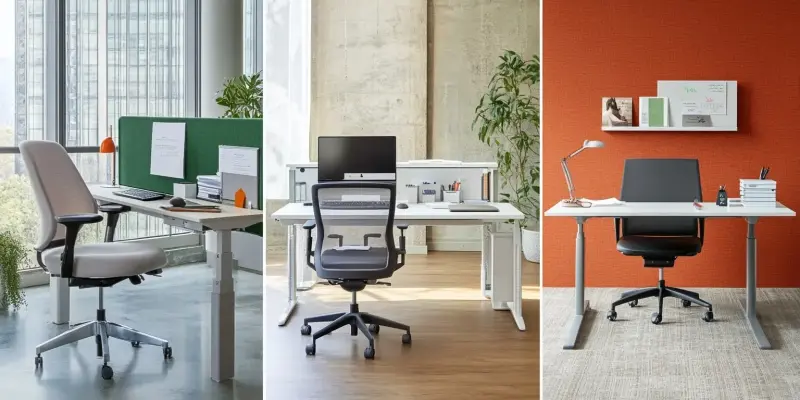
Moreover, companies need to consider ergonomic furniture, quiet zones for focused work, and common areas to foster spontaneous collaboration. By investing in these areas, businesses can create an inviting, productive environment that appeals to employees and supports their varied work styles. Such investments demonstrate a commitment to employee well-being and satisfaction, ultimately contributing to the organization’s long-term success.
Overcoming Common Challenges
Practical Solutions for Better Workspaces
Employers must address common obstacles such as outdated technology and inadequate workspaces to make the office appealing. Enhancements like electric vehicle charging stations can also ease employee commutes. Creating an environment that is as conducive to productivity as remote work setups is crucial. Up-to-date conference rooms with reliable audio-visual equipment and comfortable seating arrangements can make a significant difference in how employees perceive their in-office experience.
Additionally, modern amenities like standing desks, wellness rooms, or collaborative spaces can make the workplace more attractive. These improvements are integral to supporting employee well-being and productivity, helping integrate the office into the hybrid work model seamlessly. Proactive and comprehensive planning for these workspace enhancements can significantly improve the transition back to in-person work.
Engaging Employees with Empathy
A significant portion of the workforce may consider leaving if forced to return full-time. Companies should approach this challenge with empathy and understanding, ensuring employees feel heard and supported through personalized accommodations. Listening to individual needs and adjusting policies accordingly can build trust and loyalty. This empathetic approach also fosters a positive organizational culture where employees feel valued and respected.
Personalized solutions might involve flexible start and end times, remote work opportunities during inclement weather, or tailored career development plans. By demonstrating a genuine commitment to each employee’s well-being, employers can increase engagement and motivation. This personalized, empathetic approach helps in retaining top talent and maintaining a productive and positive work environment.
Ensuring a Smooth Transition
Gradual Approach to In-Office Presence
Kulhari suggests a gradual transition back to the office, starting with one day a week and increasing as needed. This approach helps employees adjust and ensures that the benefits of in-person work are effectively communicated. Gradual implementation allows both employees and management to adapt to the new routine without overwhelming anyone. It also provides an opportunity to address and fine-tune any issues that arise during the process.
This phased return can include regular check-ins and feedback sessions to assess the feasibility and effectiveness of the hybrid model. Adjusting incrementally allows organizations to make informed decisions and improve their strategies based on real-time data, enhancing the likelihood of a successful transition back to the office.
Clear Communication and Support
The COVID-19 pandemic has fundamentally altered the way we work, leading to a significant shift in workplace dynamics. One of the major discussions that have emerged centers around the future of in-person work. Ruchi Kulhari, the Chief Human Resources Officer at Unisys, delves into the intricacies and advantages of transitioning to a hybrid work model. This approach combines the flexibility of remote work with the benefits of in-office engagement. By striking this balance, organizations can ensure that employees enjoy the freedom to work from home while still engaging in meaningful face-to-face interactions that foster a sense of community and enhance collaboration. The hybrid model aims to leverage the best of both worlds, promoting a more adaptive, resilient, and connected workforce. This way, companies not only boost productivity but also enhance employee satisfaction, catering to both individual preferences and collective objectives. Thus, as workplaces evolve, finding the optimal mix of remote and in-person work becomes crucial for future success and sustainability.