

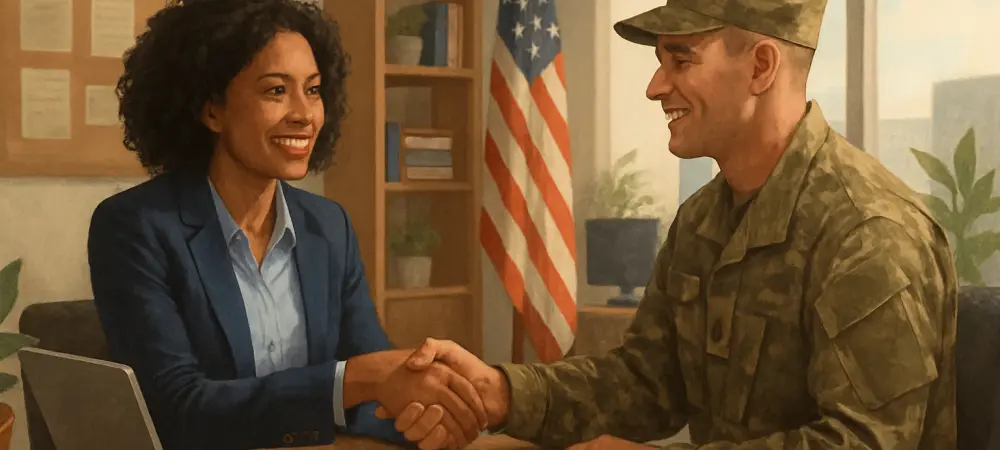
Today, we’re thrilled to sit down with Ling-Yi Tsai, a seasoned HRTech expert with decades of experience in transforming organizational strategies through technology. With a deep focus on HR analytics and the seamless integration of tech in recruitment, onboarding, and talent management, Ling-Yi brings a unique perspective to the conversation about hiring and retaining veterans in the civilian workforce. In this interview, we explore how veterans’ unique skills can benefit companies, the challenges of translating military experience to civilian roles, effective outreach strategies, the role of public resources, and the importance of supporting veterans post-hire.
How do veterans’ skills, shaped by military service, add value to civilian workplaces?
Veterans bring a remarkable set of skills to the table that can truly elevate any organization. Their experience in high-pressure environments fosters exceptional problem-solving abilities, loyalty, and resilience. They’re often trained in leadership and adaptability, which are critical in dynamic workplaces. Beyond that, many have hands-on experience with advanced technologies and complex systems, making them assets in fields like manufacturing or IT. What stands out is their drive to excel—veterans are mission-focused and committed to getting the job done, which is a mindset every employer can benefit from.
Can you share an example of how a specific military skill translates directly to a civilian industry?
Absolutely. Take, for instance, veterans who’ve worked with complex systems like 3D printing or advanced communications in the military. In manufacturing, that experience can directly apply to operating or innovating production technologies. I’ve seen cases where veterans with backgrounds in field care or telemedicine transition seamlessly into healthcare roles, bringing both technical know-how and a calm-under-pressure demeanor. It’s about recognizing that the military is often a tech-driven environment, and those skills can map directly to civilian needs in specialized industries.
What hurdles do veterans face when explaining their military experience to civilian employers, and how can this gap be bridged?
One of the biggest challenges is the language barrier. Military jargon and roles don’t always have direct civilian equivalents, so veterans often struggle to frame their experience in terms that resonate with HR teams. For example, a combat engineer might not immediately think to describe their work as project management or construction expertise. Employers can help by training recruiters to ask probing questions about specific experiences and by using tools like the U.S. Department of Labor’s O*NET database to map military occupations to civilian ones. It’s about meeting halfway—veterans can work on translating their skills, while employers can learn to interpret them.
How can companies adapt their job descriptions to better align with veterans’ backgrounds?
Employers need to shift toward a skills-based approach in their job postings. Instead of focusing on specific degrees or years of civilian experience, they should highlight competencies like leadership, technical expertise, or problem-solving—areas where veterans often shine. Using clear, universal language rather than industry-specific buzzwords also helps veterans see how their background fits. For instance, a role requiring ‘team coordination under stress’ might resonate more with a veteran than ‘stakeholder management.’ It’s about making the connection obvious and inviting veterans to apply.
What are some practical ways for employers to connect with veterans seeking civilian employment?
Proactive outreach is key. Attending job fairs tailored to veterans or hosting in-person hiring events can create direct, meaningful connections. These settings allow employers to meet candidates face-to-face and understand their unique strengths. Partnering with community organizations or programs like the U.S. Department of Defense’s SkillBridge is another powerful strategy. SkillBridge, for example, connects transitioning service members with employers for hands-on work experience before they leave the military. These partnerships build trust and give companies access to motivated talent ready to contribute.
How do public resources, such as state workforce programs, support employers in hiring veterans?
Public resources can be game-changers for employers looking to tap into the veteran talent pool. Platforms like the Maryland Workforce Exchange allow companies to search for candidates by veteran status and access uploaded resumes directly. These tools streamline the process, making it easier to match skills with open roles. Many states also offer similar workforce websites or local programs that provide job fair opportunities or hiring incentives. These resources not only simplify recruitment but also show employers the depth of talent available among veterans.
What steps can employers take to ensure veterans feel supported after they’re hired?
Hiring is just the starting point—retention hinges on helping veterans adjust to civilian work culture. Peer mentorship programs are incredibly effective, pairing new hires with colleagues who understand the transition, sometimes even other veterans. Regular check-ins with leaders can also provide a safe space to address challenges. Employers should be proactive in offering development opportunities, like rotational programs, to help veterans explore different roles and grow. It’s about creating an environment where they feel valued and equipped to build long-term careers.
What cultural differences between military and civilian workplaces might veterans encounter, and how can employers help ease this transition?
The shift from military to civilian work can be jarring due to differences in communication and structure. In the military, information often flows quickly and directly, with clear chains of command. Civilian workplaces, on the other hand, can feel slower or less hierarchical, which might frustrate some veterans. Employers can help by setting clear expectations early on and providing training on workplace norms. Having a veteran on staff or seeking external training on military-to-civilian transitions can also bridge that cultural gap, ensuring veterans feel understood and supported.
What is your forecast for the future of veteran hiring and retention in the civilian workforce?
I’m optimistic about the trajectory of veteran hiring and retention. As more companies recognize the immense value veterans bring—especially in addressing skill shortages—I expect to see a surge in targeted recruitment strategies and partnerships with military transition programs. Technology, like HR analytics, will play a bigger role in matching veterans to roles that fit their skills. On the retention side, I foresee a growing emphasis on tailored onboarding and cultural integration programs. If employers continue to invest in understanding and supporting veterans, we’ll see stronger, more diverse workforces that benefit everyone involved.