

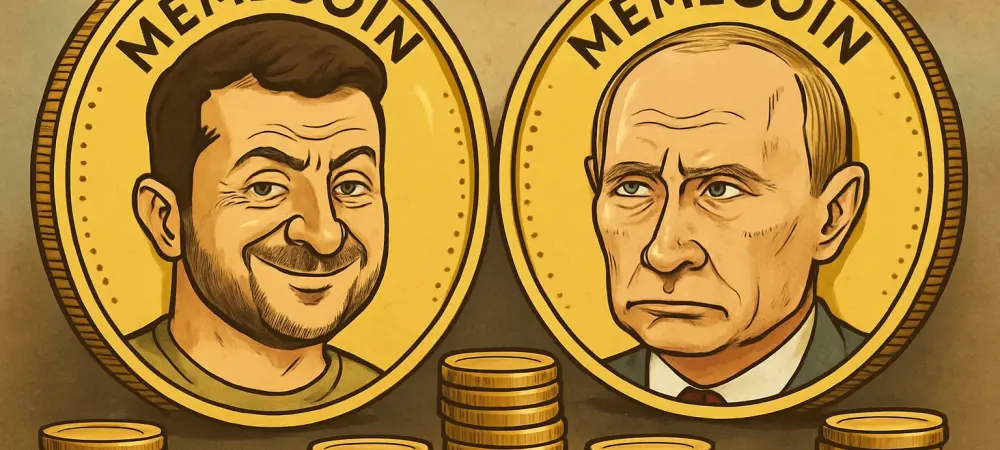
Can satire drive the future of cryptocurrency? This intriguing question is increasingly relevant as art and humor intersect with the rapidly evolving world of digital assets. In a globally connected society, satirical representations through digital mediums captivate audiences by reflecting societal norms and critiquing current geopolitical landscapes. The infusion of humor and art into this technological realm signals a paradigm shift in how audiences engage with and perceive digital currencies.
The Rise of Meme-Inspired Digital Currencies
In today’s digital economy, MemeCoins reflect broader cultural phenomena, serving as platforms for both political commentary and cultural criticism. As digital art gains prominence, these currencies have become increasingly relevant, especially when contextualized within the backdrop of global politics. The intertwining of digital art and cryptocurrency provides a unique lens through which current events can be interpreted, mirroring the societal pulse in real-time.
Zelensky & Putin MemeCoins: A Thematic Exploration
The Zelensky & Putin MemeCoins venture particularly stands out for its innovative blend of satire, meme culture, and blockchain technology. Created by artist Jose Mauricio Mendoza, this project is part of The Golden Odyssey universe—a satirical crypto collection. Mendoza’s creative vision integrates political narrative into his digital art collections, offering a fresh perspective on world events through the vibrant medium of MemeCoins. His newest venture includes a seven-piece collection, where satire meets the chaos of current global events, appealing to digital art collectors with a penchant for narrative depth.
Expert Insights and Cultural Significance
The intersection of art, satire, and cryptocurrency holds significant cultural weight. Experts draw parallels between these MemeCoins and earlier, successful meme-based cryptocurrencies like Dogecoin. Mendoza’s own reflections, combined with insights from industry analysts, emphasize the cultural resonance of these digital assets. They highlight how these coins not only entertain but also educate by drawing attention to intricate political narratives wrapped in humor. This successful fusion indicates the potential impact and reach of such currencies in the broader crypto community.
Engaging with MemeCoins: Strategies for Enthusiasts
For collectors and enthusiasts eager to engage with these satirical digital assets, strategic participation is key. Engaging in gamified experiences, exploring NFT integrations, and capitalizing on market trends represent viable tactics. The integration of these elements within the Zelensky & Putin MemeCoins offers enthusiasts potential avenues for both entertainment and investment, positioning them at the intersection of innovation and digital currency trends.
In conclusion, the launch of Zelensky & Putin MemeCoins has served as a unique intersection of art and economics. These MemeCoins embody a cultural shift, illustrating the power of satire in reshaping the landscape of digital currencies. As enthusiasts and investors explored this venture, it became evident that the fusion of meme culture and cryptocurrency would continue to influence the ecosystem, offering fresh narratives and potential returns. This illustrated the potential for humor and creativity to drive the evolution of digital assets further.