

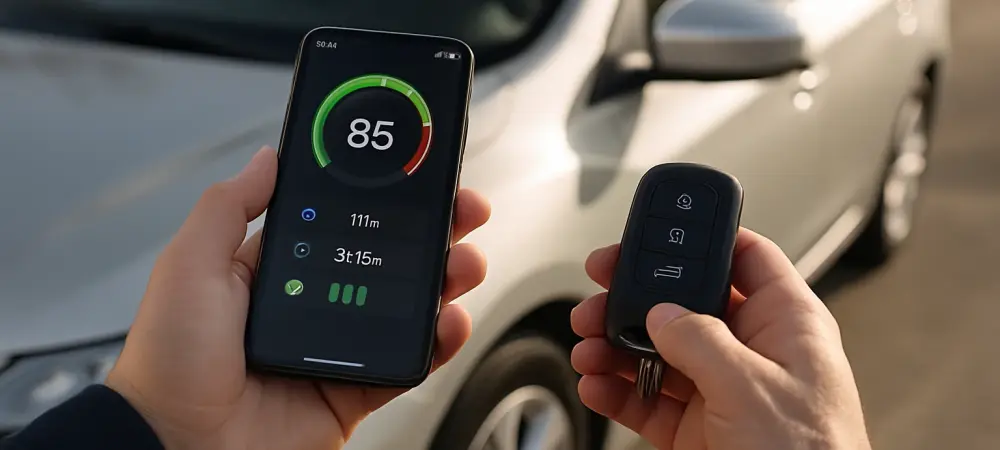
Imagine being a new driver, eager to hit the road, only to be met with sky-high insurance premiums that seem unfairly steep due to age or lack of experience, a reality for countless individuals across the UK. Traditional car insurance models often rely on broad demographic data rather than personal driving habits, but Zego, a leading insurtech company, is changing this landscape by introducing an innovative app-based telematics system that prioritizes fairness and transparency. The significance of this shift cannot be overstated, as it addresses long-standing frustrations with conventional insurance practices. By focusing on individual driving behavior through smartphone technology, Zego offers a solution that empowers drivers to influence their premiums directly. This article aims to answer key questions about this groundbreaking approach, exploring how it works, who benefits most, and why it matters in today’s insurance market.
Readers can expect a detailed breakdown of Zego’s telematics system, its advantages over traditional methods, and its impact on safety and affordability. Through a series of focused FAQs, the content will provide clear insights and practical information for anyone curious about modern car insurance options. The goal is to equip drivers with the knowledge needed to navigate this evolving industry with confidence.
Key Questions About Zego’s App-Based Telematics
What Is Zego’s App-Based Telematics and How Does It Work?
Telematics in car insurance refers to technology that monitors driving behavior to assess risk and determine premiums. Zego has pioneered a shift from the traditional black box—a physical device installed in vehicles—to a more accessible smartphone app. This change eliminates the need for hardware installation, which can be inconvenient and costly, making the process far simpler for users.
The app utilizes smartphone sensors to track key metrics such as speed, braking patterns, and cornering techniques. Drivers receive real-time feedback on their performance, allowing them to understand how specific actions on the road affect their insurance profile. This direct interaction with data marks a significant departure from older systems where information often remained opaque to the policyholder. By focusing on individual journeys, the system creates a personalized driving record that reflects actual habits rather than generalized assumptions. This transparency helps build trust between insurers and drivers, as premiums are tied to tangible behaviors. For many, this represents a refreshing change in an industry often criticized for its lack of clarity.
How Does Zego’s Approach Differ from Traditional Black Box Telematics?
Traditional black box telematics, while innovative in its time, comes with notable drawbacks, including the need for professional installation and limited user access to data insights. These devices often feel intrusive, with drivers having little understanding of how their information is used to calculate costs. Zego’s solution, by contrast, prioritizes ease and engagement through a user-friendly app interface.
With no hardware required, the onboarding process becomes seamless, requiring only a smartphone download to get started. The app not only tracks driving metrics but also provides immediate feedback, helping users identify areas for improvement without delay. This level of interaction fosters a proactive attitude toward safer driving practices, unlike the passive nature of black box systems.
Moreover, Zego’s model enhances transparency by clearly showing how specific behaviors influence premium calculations. Drivers are no longer left guessing about the factors behind their rates, as the app breaks down data in an accessible format. This stark contrast to older methods highlights Zego’s commitment to modernizing insurance for a digital age.
Who Benefits Most from Zego’s Telematics System?
New drivers often face the highest insurance premiums due to their perceived risk based on age or inexperience, a challenge that can feel discouraging. Zego’s app-based system specifically targets this demographic by offering a fairer alternative that rewards safe driving habits over time. This focus provides an opportunity for young or novice drivers to prove their responsibility on the road.
By collecting journey-by-journey data, the platform allows these individuals to build a track record that can lead to more affordable rates upon renewal. This personalized approach stands in sharp contrast to traditional models that lump drivers into broad risk categories without considering individual performance. For many, this feels like a chance to take control of their financial burden.
Beyond new drivers, anyone seeking greater transparency in insurance can benefit from this technology. The emphasis on real-time insights means that all users, regardless of experience, gain a clearer picture of how their actions impact costs. This broad applicability underscores the potential for Zego’s system to reshape expectations across the market.
How Does Zego Promote Fairness and Safety in Car Insurance?
Fairness in insurance has long been a point of contention, with many drivers feeling overcharged due to outdated pricing models that fail to account for personal behavior. Zego tackles this issue head-on by tying premiums directly to individual driving patterns, ensuring that responsible drivers are not penalized for the actions of others. This shift toward equity is a core pillar of the company’s mission.
Safety is equally prioritized through the app’s ability to provide actionable feedback after each trip. Drivers can see where they might need to adjust habits, such as reducing harsh braking or maintaining consistent speeds, which directly contributes to safer roads. This educational aspect sets Zego apart from competitors who may focus solely on data collection without driver engagement.
CEO Sten Saar has emphasized the importance of challenging old systems to create a more just industry, a vision supported by growing consensus that technology can personalize insurance for the better. By aligning fairness with safety, Zego not only benefits individual policyholders but also contributes to a broader culture of responsible driving. This dual focus could set a new standard for the sector.
Summary of Zego’s Impact on Car Insurance
Zego’s app-based telematics stands as a transformative force in the UK car insurance market, addressing critical issues of accessibility, fairness, and safety. The system’s reliance on smartphone technology removes the barriers associated with traditional black box devices, offering a streamlined experience that resonates with modern drivers. Key takeaways include the empowerment of new drivers through personalized pricing and the promotion of safer habits via real-time feedback.
The implications of this innovation extend beyond individual benefits, pointing toward a potential industry-wide shift in how insurance is structured. By prioritizing transparency and user engagement, Zego sets itself apart as a leader in leveraging technology for social good. This model serves as an example of how data can be used ethically to create more equitable outcomes for all road users.
For those interested in exploring further, additional resources on telematics and digital insurance trends are widely available through industry reports and insurtech publications. Such materials can provide deeper insight into the evolving landscape and help drivers make informed decisions about their coverage options. This recap captures the essence of Zego’s mission and its relevance in today’s market.
Final Thoughts on App-Based Insurance Innovation
Reflecting on Zego’s contributions, it becomes clear that their app-based telematics has carved a path toward a more inclusive and transparent insurance framework in the UK. This shift tackles entrenched challenges, particularly for new drivers who have long struggled under the weight of high premiums. The emphasis on individual data over demographic assumptions has offered a refreshing perspective that many embrace.
Looking ahead, drivers are encouraged to explore how such technology can align with their personal needs, whether by seeking out similar app-based solutions or advocating for fairness in their current policies. A practical next step involves researching providers who adopt telematics to reward safe driving, potentially leading to significant savings. This actionable focus aims to inspire confidence in navigating a rapidly changing industry.
Ultimately, Zego’s model has sparked a conversation about the future of car insurance, urging stakeholders to consider how innovation can balance profitability with social responsibility. The broader adoption of such systems might pave the way for safer roads and more equitable pricing in the years ahead. This closing reflection highlights the transformative potential that lies within reach for every driver willing to adapt.