

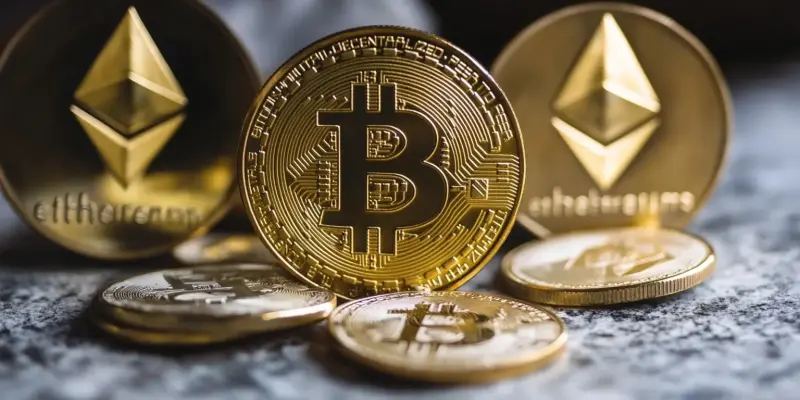
As the cryptocurrency market matures and evolves, three prominent digital assets—XRP, Bitcoin, and Ethereum—often occupy the center stage in discussions regarding their potential for investment and technological prowess. Each cryptocurrency boasts unique features and functionalities, attracting different sectors and investors. This analysis delves into the comparative aspects of XRP, Bitcoin, and Ethereum, shedding light on their technological capabilities and potential for the future.
Transaction Speed and Scalability
XRP’s Efficiency and Speed
In the realm of transaction processing speed and scalability, XRP stands out significantly. XRP’s blockchain can handle transactions in a matter of 3 to 5 seconds, outpacing many of its peers. With over 1,500 transactions per second (TPS), it ensures seamless, instantaneous transactions. The underlying consensus protocol of XRP, unlike the energy-consuming models employed by its competitors, is also highly energy-efficient. This protocol contributes to the network’s sustainability and allows for greater throughput with minimal costs. As a result, XRP’s transaction fees remain extremely low, making it an attractive option for frequent transactors, including financial institutions and banks looking to streamline their payment processes.
Bitcoin’s PoW Mechanism
Bitcoin, which operates on a Proof-of-Work (PoW) mechanism, inevitably struggles compared to XRP in terms of transaction speed and scalability. Processing only around 7 transactions per second, Bitcoin’s network is relatively slow. Transactions can take several minutes to complete, with the likelihood of delays during peak periods. Bitcoin’s PoW mechanism, though secure and robust, is notoriously energy-intensive. This translates to higher transaction costs driven by both the network’s energy demands and potential congestion, creating a bottleneck effect during high transaction volumes. While Bitcoin remains a favored store of value akin to digital gold, its efficiency in transaction processing falls short when juxtaposed with XRP.
Use Cases and Adoption
XRP’s Adoption by Financial Institutions
XRP’s real-world usability and substantial collaborations with banks and financial institutions underscore its broader adoption. Its primary use case in serving as a bridge currency for cross-border payments makes it indispensable for instant and cost-effective transfers between different fiat currencies. Financial institutions, including banks, recognize XRP’s ability to lower transaction costs and time delays significantly. Moreover, XRP’s involvement in initiatives with Central Bank Digital Currencies (CBDCs) and its deployment for use cases such as tokenization and on-demand liquidity (ODL) reflect its expansive functionality and adoption scale in the finance sector.
Bitcoin as Digital Gold
Bitcoin’s primary adoption narrative has been its position as a store of value. Often compared to gold, Bitcoin has garnered significant mainstream attention and institutional investment. However, its application scope is narrower when compared to XRP’s broad use cases. Bitcoin’s limited use case is due to its slower transaction speeds and higher transaction fees, making it less ideal for everyday transactions or micropayments. Nevertheless, Bitcoin’s scarcity, secured through its capped supply of 21 million coins, continues to drive demand, underpinning its value as a hedge against financial instability and inflation.
Technology and Sustainability
Ethereum’s Smart Contracts and DeFi
Ethereum has carved out its niche by providing a robust platform for decentralized applications (dApps), smart contracts, and decentralized finance (DeFi). Operating on a Proof-of-Stake (PoS) mechanism, Ethereum’s technology allows for the creation and execution of smart contracts, which are self-executing agreements with the terms directly written into code. This technological framework supports a myriad of applications, including NFTs (Non-Fungible Tokens), making Ethereum a hotbed for innovation in the blockchain industry. However, Ethereum’s network often suffers from congestion, resulting in high gas fees and slower transaction times that can vary from 15 seconds to several minutes, thereby highlighting scalability challenges.
XRP’s Consensus Protocol
In contrast, XRP leverages a unique consensus protocol that enhances its efficiency and sustainability, providing an edge over Ethereum’s resource-intensive staking mechanism. The consensus protocol of XRP does not rely on mining but rather on a series of validators to agree on the order and validity of transactions. This mechanism ensures rapid transaction processing, low fees, and a high degree of scalability. Furthermore, XRP’s commitment to environmental sustainability is evident in its energy-efficient operations, positioning it favorably in the context of global efforts to reduce carbon footprints. Such sustainable technology aligns with the increasing focus on eco-friendly solutions within the digital asset space.
Future Prospects and Collaborative Efforts
XRP’s Growing Ecosystem
The expanding ecosystem of XRP features numerous strategic collaborations that hint at a promising trajectory for the digital asset. Through partnerships with central banks for CBDCs, and involvement in pioneering projects like XRPTurbo’s Token Launch and Secure Market Manager (SMM), XRP demonstrates its capacity for substantial impact. The digital asset’s potential to participate in diverse financial instruments and its blockchain’s adaptability to integrate new technologies seamlessly are pivotal for its sustained growth. XRP’s active engagement in improving its infrastructure to support scalable solutions for global remittances and secure market functionalities indicates it is well-positioned for widespread adoption.
Ethereum’s Innovation
Ethereum continues to drive forward with innovations and developments aimed at addressing its scalability issues. The Ethereum 2.0 upgrade, which promises to enhance scalability, reduce energy consumption, and decrease transaction fees, remains a focal point. These advancements reflect the ongoing efforts within the Ethereum community to cement its role as the foundational technology for decentralized applications. As more developers leverage Ethereum’s smart contract capabilities to create innovative solutions, it is anticipated that network enhancements will continue to draw significant interest and investment, fostering an expanding ecosystem of dApps and DeFi projects.
Conclusion
As the cryptocurrency market continues to mature and evolve, XRP, Bitcoin, and Ethereum frequently dominate discussions about investment prospects and technological innovation. Each of these digital assets boasts distinctive features and functionalities that appeal to various sectors and kinds of investors. This comparative analysis explores the unique attributes of XRP, Bitcoin, and Ethereum, highlighting their technological strengths and future potential.
XRP is well-known for its rapid transaction speeds and low fees, targeting the banking sector for cross-border payments. Bitcoin, the original cryptocurrency, is celebrated for its decentralization, security, and status as a store of value, often regarded as digital gold. Ethereum, on the other hand, distinguishes itself with its robust smart contract capabilities, enabling a vast ecosystem of decentralized applications (dApps).
By examining the strengths and specialized features of each cryptocurrency, this analysis aims to provide a clearer understanding of their respective technological advancements and long-term investment potential.