

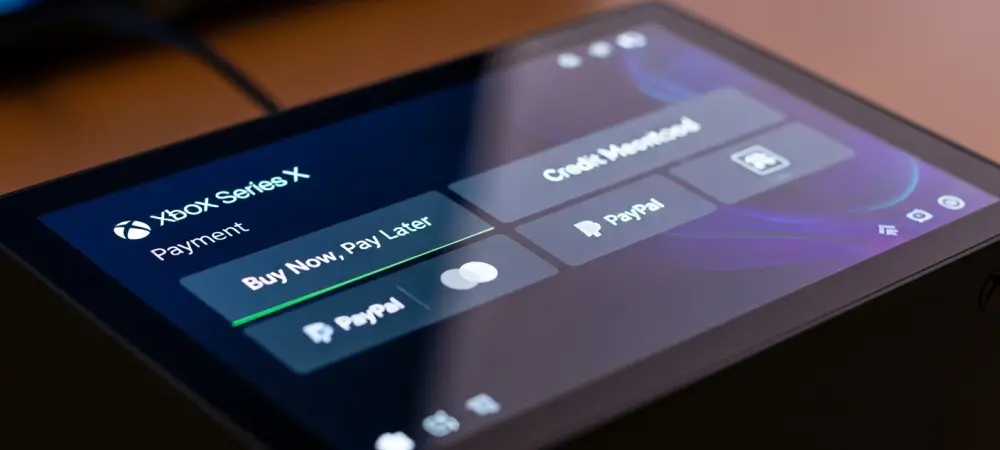
The long-standing expectation that gaming technology inevitably becomes more affordable as a console generation matures has been fundamentally challenged by the stark economic realities of 2026. While previous eras saw hardware manufacturers reduce prices to entice a late-stage consumer base, the current landscape has forced Microsoft to move in the opposite direction. The digital storefront for Xbox is currently undergoing a massive transformation in how it processes high-ticket transactions, moving away from a purely upfront payment model to embrace a more flexible financial framework. Microsoft has officially integrated Buy Now, Pay Later services, such as PayPal and Klarna, directly into its official website. This strategic pivot aims to help consumers navigate the significant price increases for gaming hardware that have occurred over the last several years. By lowering the initial financial hurdle, the company is attempting to maintain accessibility for a demographic that is increasingly sensitive to the rising cost of living. This change indicates a broader trend in the consumer electronics industry where high-end devices are no longer viewed as simple recreational purchases but as significant financial investments that require structured payment solutions to remain viable in the mass market. As the sticker shock of modern consoles becomes a recurring theme in household budgeting, these financing options represent a necessary evolution for the gaming ecosystem to stay competitive and inclusive.
Technical Discovery: Uncovering the Backend Integration
The introduction of these new payment methods was not initially announced through a major press event or a high-profile marketing campaign but was instead brought to light by the technical community. A software developer known as redphx discovered specific lines of code within the backend infrastructure of the Xbox website that pointed toward the integration of third-party financing providers. This discovery revealed that Microsoft was quietly preparing to launch a sophisticated installment-based checkout system for its hardware products, marking a departure from the traditional retail experience. The code explicitly mentioned both PayPal and Klarna, suggesting that the company was looking to partner with established names in the financial technology sector to provide a seamless user experience. Such a discovery by the developer community often precedes a public rollout by several weeks, as companies test the stability of their internal systems before going live. This proactive technical investigation allowed the gaming community to anticipate these changes and understand the underlying mechanics of how Microsoft intended to restructure its storefront. The existence of these code snippets confirmed that the transition was a calculated effort to modernize the purchasing pipeline, ensuring that the infrastructure could handle the complexities of monthly billing and credit assessments without disrupting the standard checkout flow.
Following the initial identification of these features, the financing options transitioned from the testing phase into a live, consumer-facing environment. While the initial backend leaks showcased potential for multiple providers, the PayPal integration has emerged as the primary active option for the majority of users in various regions. This phased rollout strategy is common in the tech industry, allowing Microsoft to monitor the stability of the financial pipelines and ensure that the user interface remains intuitive across different devices and browsers. By starting with a widely recognized provider like PayPal, the company can capitalize on existing user trust and pre-established accounts, reducing the friction associated with applying for new credit lines. The implementation of Klarna has followed a similar trajectory, although its availability is often tied to specific geographic markets where the service has a stronger foothold. This strategic deployment ensures that the digital storefront does not suffer from technical glitches that could alienate customers during the final stages of a purchase. The success of this technical rollout is a testament to the importance of adaptable commerce platforms that can evolve in response to changing economic conditions. As more users begin to utilize these options, the data gathered will likely influence how future hardware is sold, potentially leading to even more integrated financial services within the Xbox dashboard itself.
Economic Drivers: The Impact of Global Supply Chains
The necessity for these payment options is deeply rooted in the unprecedented price increases for Xbox hardware that have characterized the current console cycle. By mid-2026, the Xbox Series X price has climbed from its original launch price of $499 to a new standard of $649, while the more affordable Xbox Series S has seen its price tag jump from $299 to $449. These increases represent a significant departure from historical trends, where the cost of manufacturing usually decreases over time, leading to lower prices for the end-user. However, the global demand for high-end semiconductors has rewritten the rules of the market. Tech giants are now in a fierce competition for the same manufacturing capacity used to create the central and graphics processors found in gaming consoles. This competition has created a pricing environment where the cost of production remains high, and in some cases, continues to rise. As a result, the era of the $500 flagship console is quickly becoming a memory, replaced by a reality where premium gaming hardware is priced similarly to professional-grade laptops or high-end smartphones. For many families, this jump in price makes a one-time payment a difficult proposition, necessitating the shift toward monthly installments that can be better integrated into a recurring household budget. A major driver of these rising costs is the massive global demand for high-end semiconductors, largely fueled by the boom in artificial intelligence infrastructure. Data centers and AI developers are gobbling up the available supply of advanced silicon, driving up the costs for every other industry that relies on these components. This phenomenon has created what some experts call an AI tax on consumer electronics, where the sheer scarcity of high-end manufacturing slots makes it impossible for Microsoft to maintain its original pricing structure. In this environment, gaming consoles are susceptible to the same inflationary pressures as enterprise servers and high-performance computing units. The specialized nature of the chips required for modern gaming means that manufacturers cannot easily switch to cheaper alternatives without compromising the quality of the experience. Consequently, Microsoft has been forced to pass these costs onto the consumer, leading to the current environment where financing is no longer a luxury for the few but a requirement for the many. By offering Buy Now, Pay Later options, the company is effectively providing a buffer between the volatile world of semiconductor manufacturing and the everyday consumer. This approach acknowledges that while the hardware must remain high-end to compete, the method of acquisition must be flexible enough to accommodate the financial realities of a post-silicon-shortage world.
Financial Mechanics: Analyzing the Installment Models
Microsoft has structured its financing to appeal to a broad spectrum of buyers by offering two distinct types of agreements: short-term flexibility and long-term assistance. The first option is the Pay-in-Four model, which is primarily facilitated through the PayPal integration on the storefront. This plan allows a customer to split the total cost of an Xbox console into four equal installments, with the first payment due at the time of purchase and the subsequent payments occurring every two weeks. This model is particularly attractive because it is typically interest-free, provided the user adheres to the payment schedule. It is an ideal solution for shoppers who have the necessary funds but prefer to maintain a steady cash flow rather than depleting their savings in a single transaction. This short-term credit facility has become a staple of modern online shopping, and its inclusion on the Xbox site brings the brand into alignment with current consumer preferences. By offering a way to pay off the console in just two months, Microsoft provides a middle ground for those who are wary of long-term debt but still find the $649 price tag for a Series X to be a significant upfront hurdle to overcome in a single month. For consumers who require a more extended timeline to manage their purchase, a 24-month financing plan is also available through the store’s partnership with specialized credit providers. This long-term model functions more like a traditional credit agreement, where the total cost is spread out over two years, resulting in a much smaller monthly payment that resembles a utility or a minor subscription fee. While this plan may involve interest depending on the specific terms and the buyer’s credit profile, it transforms the acquisition of a high-end console into a manageable monthly expense. This approach is similar to the financing models used for automobiles or major appliances, reflecting the console’s status as a durable good with a multi-year lifespan. It allows gamers to budget for their hobby in a way that aligns with their monthly income, making the high entry price of $649 much less intimidating. However, it is important for consumers to understand the long-term cost of these agreements, as interest rates can significantly increase the total amount paid over the life of the loan. Despite these potential costs, the availability of 24-month terms ensures that high-end gaming remains accessible to a wider audience, including those who may not have significant liquid assets but have a stable enough income to support a recurring monthly obligation.
Ecosystem Protection: The Connection to Subscription Services
The strategic introduction of financing options is also a defensive maneuver designed to safeguard the broader Xbox ecosystem, particularly the Game Pass subscription service. Following a series of price hikes for the subscription service in 2025, the company observed a noticeable fluctuation in subscriber retention as users became more discerning about their monthly entertainment spending. If a potential customer is priced out of the hardware, they are effectively removed from the entire ecosystem, leading to a loss of potential revenue from software sales, microtransactions, and subscription fees. By making the hardware more accessible through financing, Microsoft is protecting its long-term revenue streams from the impact of inflation and rising manufacturing costs. The console is no longer just a piece of hardware to be sold for profit; it is a gateway to a massive digital library that requires a constant influx of new users to remain sustainable and grow.
Microsoft’s current strategy suggests a more cautious approach to content acquisition, with high-budget releases being evaluated on a case-by-case basis rather than being guaranteed as day-one additions in all circumstances. To make this evolving model work, the company needs a massive and active install base of consoles that can support a variety of monetization strategies. If the $649 entry price for a Series X prevents a significant portion of the audience from joining the platform, the entire business model faces a potential stagnation. Financing effectively removes that initial barrier, allowing the user base to grow even in a high-cost economic environment. This relationship between hardware affordability and software revenue is the cornerstone of the modern gaming industry, where the hardware is often viewed as a loss-leader or a break-even product intended to facilitate more lucrative digital transactions. By integrating Buy Now, Pay Later options, Microsoft is ensuring that its digital storefront remains populated with active consumers who are already comfortable with recurring payment structures. This alignment of hardware financing and subscription billing creates a cohesive financial experience for the user, where every aspect of the hobby is managed through a series of predictable monthly payments rather than unpredictable and large upfront costs.
Market Comparison: Parity and Competitive Strategy
Microsoft is not the only major player in the gaming industry to embrace the financialization of hardware as a response to rising costs. Sony was an early adopter of this trend, partnering with Klarna for its PlayStation Direct store to offer similar services for the PlayStation 5 and its various iterations. Microsoft’s move brings the brand into parity with its chief rival, ensuring that it does not lose potential customers to Sony’s more flexible and approachable payment terms. In a market where brand loyalty is often tested by financial feasibility, providing identical or superior financing options is a critical part of staying competitive. This trend suggests that the industry as a whole is moving away from the traditional retail model and toward a more service-oriented approach to hardware acquisition. As both major platforms adopt these tools, the focus for the consumer shifts from the total price of the machine to the specific terms of the financing agreement, such as interest rates and the length of the payment period.
Nintendo remains somewhat of an outlier in this space, maintaining a more traditional approach to hardware sales despite the shifting industry landscape. While the company allows the use of PayPal for hardware purchases, it has not integrated aggressive financing or Buy Now, Pay Later marketing into its official storefront to the same degree as Xbox or PlayStation. This likely reflects Nintendo’s unique position in the market and a different demographic that may not be as sensitive to the high-cost credit models seen in the power console segment. Nintendo’s hardware is generally priced lower than the flagship offerings from Microsoft and Sony, which reduces the immediate need for complex financing solutions. However, as the industry continues to move toward a model where hardware is treated as a premium utility, even Nintendo may eventually find itself pressured to offer more flexible terms to keep pace with changing consumer expectations. The broader takeaway from these market dynamics is that gaming has officially transitioned into a high-cost, premium hobby where participation is increasingly tied to financial products. The competition is no longer just about which console has the best games, but about which company provides the most accessible path to ownership in a difficult global economy.
Strategic Outlook: Gaming as a Premium Utility
The shift toward installment-based gaming hardware acquisitions represented a definitive acknowledgment that the economics of interactive entertainment had entered a new, more expensive era. By moving away from the traditional model of a single, large upfront transaction, the company successfully bridged the gap between its high manufacturing costs and the financial constraints of its user base. This shift showed that maintaining a consistent influx of new hardware owners was essential for the long-term health of the entire digital ecosystem, particularly as software and services became the primary drivers of profit. For the average consumer, these tools provided a vital alternative to the increasing difficulty of purchasing high-end electronics outright in a volatile market. The transition also encouraged a more nuanced approach to personal finance within the gaming community, where the focus shifted from saving for a one-time cost to managing a recurring monthly commitment. Ultimately, the adoption of flexible financing options served as a practical solution to the challenges posed by rising costs. It allowed the industry to continue its technological progression without alienating a significant portion of its audience, ensuring that players could still find a place within the ecosystem.
Building on this foundation, the long-term implications of hardware financing will likely dictate how future generations of technology are introduced and sustained in the market. As the boundary between gaming hardware and high-performance computing continues to blur, the financial tools used to acquire these devices will become even more integrated into the user experience. Consumers should prepare for a future where the initial price of a console is secondary to the quality of the financing plan and the value of the associated subscription services. Navigating this new reality requires a shift in mindset, where the total cost of ownership is calculated over the entire lifespan of the device rather than just the moment of purchase. For those looking to enter the ecosystem, the best path forward involves a careful comparison of the various installment models to ensure that the chosen plan fits their long-term financial health. As Microsoft and its competitors continue to refine these offerings, the gaming community will likely see even more creative ways to manage the high costs of innovation. This evolution ensures that even as technology becomes more expensive to produce, the joy of gaming remains an accessible part of modern life for those willing to embrace a more structured approach to their entertainment spending. The industry has laid the groundwork for a sustainable model that balances the needs of manufacturers with the realities of the consumer, setting the stage for continued growth in the years ahead.