

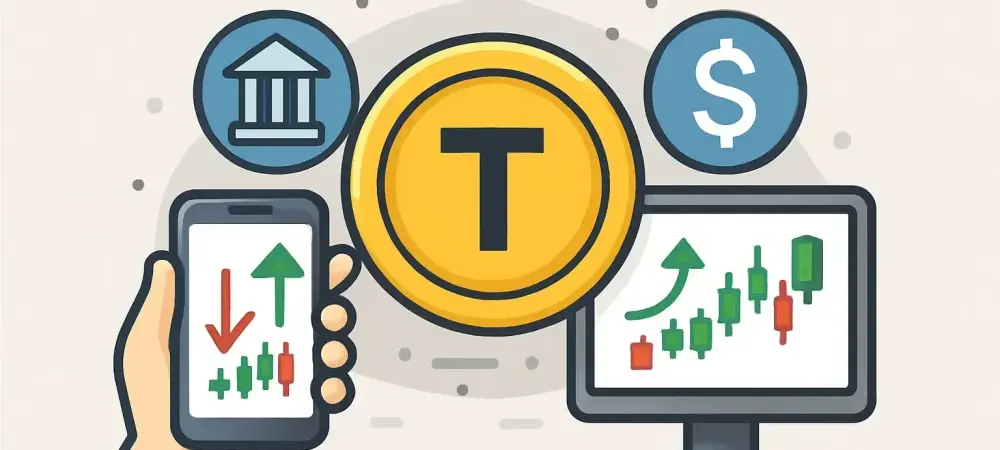
The landscape of stock trading is undergoing a seismic shift. Robinhood, a prominent Nasdaq-listed trading platform, recently launched tokenized stocks in Europe—an innovative move leveraging blockchain technology to facilitate trading in companies like OpenAI and SpaceX. As these developments unfold, they promise to reshape the trading environment, presenting new possibilities for investors and platforms alike.
The Future of Stock Trading on Robinhood’s Platform
As traditional stock trading continues to evolve, Robinhood’s introduction of tokenized stocks marks a significant step forward in the digital transformation of financial markets. The integration of blockchain technology into stock trading platforms like Robinhood not only signifies technological advancement but also offers new opportunities and challenges. Tokenized stocks aim to address accessibility issues, allowing investors greater participation, especially in gaining access to shares of private companies that were previously limited to institutional investors and high-net-worth individuals.
Understanding the Rise of Tokenized Stocks
Over the past few years, digital advancements have propelled trading platforms toward greater innovation and accessibility. Blockchain technology, with its promise of transparency and security, plays an integral role in this transformation. The digitization of stocks through tokenization addresses current challenges in democratizing market access for small investors. By converting traditional assets into digital tokens, trading becomes more inclusive—bridging the gap for those previously sidelined by conventional financial mechanisms.
Unpacking the Impact on Robinhood and Its Users
Robinhood’s release of tokenized stocks in Europe is commendable, emphasizing the company’s commitment to innovation and user engagement. This strategic move not only enhances market accessibility but also offers compelling advantages: the option for 24/7 trading, better control with self-custody, and the elimination of transaction fees. A notable case is the inclusion of ETFs like the Vanguard S&P 500 fund, whose introduction to the tokenized market is already making waves. These changes signal a shift in market dynamics, attracting a wider investment audience.
Expert Insights and Market Dynamics
Key industry figures, such as Robinhood CEO Vladimir Tenev, have hailed the tokenization of stocks as a transformative approach for the global financial system. Analysts like Ciarán Fitzpatrick from JP Morgan have acknowledged the complexities in operationalizing tokenization but highlight its potential to integrate with existing digital assets. Such insights are corroborated by significant market trends, with tokenization services experiencing a 260% growth, reflecting its expanding appeal and potential to revolutionize financial markets.
Navigating the Transition: Practical Steps for Investors
Investors aiming to capitalize on this new asset class can benefit by effectively engaging with tokenized stocks. Embracing this change requires understanding associated risks and opportunities, strategizing effectively under financial digitization, and utilizing resources to stay abreast of fast-paced market developments. Being proactive and informed as these shifts unfold is crucial for maximizing potential gains and mitigating any unforeseen risks associated with these emerging financial instruments.
In the wake of this systemic evolution, Robinhood stands at the forefront, pioneering new methods of engaging with stock markets. As tokenization becomes an increasingly integral part of trading, it offers investors novel opportunities for wealth building and diversification. While this transition invites significant prospects, it also presents challenges that call for careful navigation and comprehension. Regardless, the advancements warrant attention, as they set a new precedent for the future of investment.