

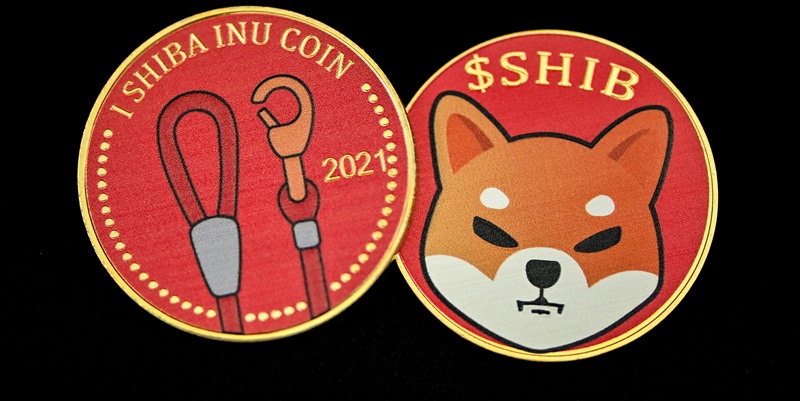
The cryptocurrency world is abuzz with recent developments surrounding Shiba Inu (SHIB). The launch of Shiba Inu’s burn portal, ShibTorch, designed specifically to burn more tokens from the Layer-2 Shibarium network, is making headlines. The recent surge in the SHIB burn rate by an impressive 1250% has become a significant talking point, fueling speculation about a potential price rally. With 28,648,321 SHIB tokens burned, market analysts consider this remarkable increase a positive indicator for SHIB’s future price movements.
ShibTorch and Its Potential Impact
Rise in SHIB Burn Rate
The ShibTorch burn portal has become a focal point within the Shiba Inu community, aimed at boosting the cryptocurrency’s value by reducing its circulating supply. ShibTorch effectively burns a portion of each transaction fee on the Shibarium network, making it a crucial tool for managing inflation and fostering scarcity. This feature is critical because reducing the number of available tokens may drive up their value, benefiting current investors.
The recent burn rate surge by 1250%—equating to 28,648,321 SHIB burned—has not gone unnoticed. This remarkable uptick has led to increased optimism among market analysts who view it as a precursor to a significant price rally. Even over the past week, SHIB has already experienced a 9% rise, further bolstering the community’s morale. This increase signifies that the market is responding positively to the burn rate, which may signal a strong upward trend.
Improved Sharpe Ratio
Another crucial development is the improved Sharpe Ratio of Shiba Inu. The Sharpe Ratio is a measure of risk-adjusted returns relative to an asset’s volatility. A higher Sharpe Ratio typically indicates better risk-adjusted performance, which could attract more investors. Recently, Shiba Inu’s Sharpe Ratio improved from -5.43 to -3.5, a notable achievement that reflects a better risk-return profile.
This positive shift in the Sharpe Ratio might be a harbinger of improved profitability for investors. If the ratio turns positive, it could trigger a substantial price rally, potentially pushing SHIB to target levels, with some estimates suggesting a value as high as $0.000018. This improved risk-adjusted return could attract new investors searching for profitable opportunities, thereby contributing to the price increase.
Market Analysts’ Insights
Technical Analysis and Bullish Indicators
Technical analysis of Shiba Inu reveals that it is currently following an ascending bullish channel pattern, which indicates strong support and resistance levels. The Moving Average Convergence Divergence (MACD) indicator further underscores this bullish momentum. According to the MACD, the 12-day Exponential Moving Average (EMA) has crossed above the 25-day EMA, another strong bullish signal.
These technical indicators offer additional optimism for investors. The ascending bullish channel pattern suggests that SHIB is likely to continue its upward trajectory, making it an attractive investment. Meanwhile, the MACD’s bullish signal could entice traders looking for short-term gains, thereby sustaining the buying pressure on SHIB.
Community Ambitions and Adoption
The Shiba Inu community has set ambitious targets, with members hoping to burn up to 100 trillion SHIB annually. Such a feat would significantly reduce the circulating supply from its current level of 583 trillion tokens. For these ambitious goals to become a reality, however, the Shibarium network must see a substantial surge in adoption. Increased transactions would lead to higher fees and, consequently, more token burns.
Shibarium’s adoption is crucial for the long-term success of these burn initiatives. A growing user base would naturally lead to more transactions, higher fees, and an increased number of tokens burned. Should Shibarium achieve widespread adoption, the ShibTorch portal could regularly remove large quantities of SHIB from circulation, pushing the price upwards.
Broader Implications and Future Prospects
Shiba Inu’s Web3 Game and Its Impact
In other related news, Shiba Inu recently announced the launch of its first Shibarium-based Web3 game, Shiba Eternity. This game, running on the Shibarium mainnet, offers a decentralized gaming experience where NFTs represent players’ inventory cards. The game is expected to drive more transaction volume within the SHIB ecosystem, leading to an uptick in token burns through the ShibTorch portal.
The introduction of Shiba Eternity marks a significant milestone for the SHIB ecosystem, offering not just a new product but also a potential driver for increased SHIB transactions and burns. Such a development could further enhance SHIB’s value by tying it to tangible, engaging applications. If the game gains traction, it could contribute significantly to sustained price rallies and strengthen the overall SHIB community.
Summary and Future Expectations
The cryptocurrency community is buzzing over the latest happenings with Shiba Inu (SHIB). The introduction of Shiba Inu’s new burn portal, ShibTorch, is grabbing attention. Specifically designed to burn more tokens from the Layer-2 Shibarium network, ShibTorch has led to a remarkable increase in the token burn rate. This rate surged by an impressive 1250%, and recently, around 28,648,321 SHIB tokens have been burned. Market analysts view this spike in the burn rate as a strong positive indicator for SHIB’s future price movements. This development has sparked widespread speculation and conversations about a potential price rally. The significant burn rate increase is seen as a catalyst that could potentially drive SHIB’s value higher, making it a hot topic among investors and crypto enthusiasts. As the Shiba Inu community continues to monitor these developments closely, the excitement surrounding SHIB’s future prospects is palpable. Such a significant reduction in the token supply could create favorable market dynamics, potentially leading to an upward trend in SHIB’s price.