

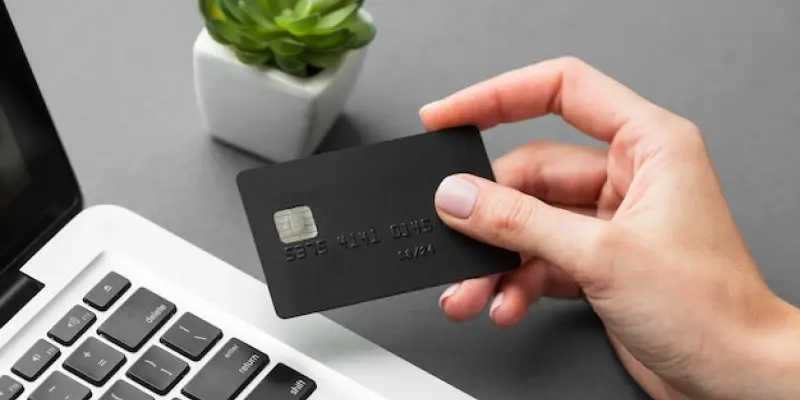
In a rapidly evolving digital economy where consumers demand convenience, PayPal has taken a significant step forward by introducing a new physical card. This latest card development, done in collaboration with Synchrony, extends PayPal Credit’s usability beyond the virtual realm, allowing customers to seamlessly use their credit in-store and online wherever Mastercard® is accepted. With this revolutionary enhancement, not only does PayPal fulfill its consumers’ needs for flexible payment options, but it also strengthens its foothold in the competitive market of financial services.
Expanding Payment Flexibility
Integrating Traditional and Digital Payment Methods
The introduction of PayPal’s physical card represents a pivotal moment in bridging traditional financial systems with modern digital platforms. By allowing PayPal Credit to be used for in-store purchases, the card nullifies the boundaries between online and physical shopping experiences. This move, spearheaded in cooperation with Synchrony, brings together the advantages of Mastercard’s acceptance with PayPal’s trusted digital payment services. The convenience of using the card across a multitude of shopping venues signals a shift towards more integrated payment solutions.
The collaboration leverages Mastercard’s extensive acceptance network, offering PayPal users an unprecedented level of payment freedom. The card’s existence caters to evolving consumer demand and reflects PayPal’s commitment to providing innovative and agile payment solutions. For many, this flexibility means managing expenses with greater ease, particularly in areas like travel where the card can be used to finance purchases over a six-month period without a minimum spend requirement. This ability to spread out costs has the potential to alter consumer spending behavior significantly.
The Impact on Consumer Spending
Consumers’ spending patterns are likely to experience a notable shift due to the newly introduced payment options offered by PayPal’s card. Featuring a limited-time offer specifically tailored for travel-related expenses, the card appeals to a wide demographic. Whether it is airlines, hotels, or other travel-related purchases, the card is specifically structured to meet the financial needs of the modern traveler. The option to finance such purchases over half a year without minimum spending obligations adds a layer of financial flexibility that is ideal for consumers planning both routine and extraordinary trips.
Furthermore, the card’s launch aligns with the growing consumer trend towards versatile financial products. As the line between digital and physical marketplace interactions continues to blur, consumers increasingly expect their payment solutions to be as adaptable as their shopping habits. This omnipresence is not only a convenience but also an empowerment that redefines how consumers perceive payment solutions. As consumers explore these avenues, PayPal is positioned to capitalize on this trend, offering an attractive solution that combines convenience with practicality.
Diversifying Consumer Options
Enhancing PayPal’s Suite of Products
The introduction of PayPal’s physical credit card is part of a comprehensive strategy to expand its suite of consumer-focused products, thereby enhancing user experience while providing additional value. Alongside the new card, PayPal already offers the Cashback Mastercard®, contributing to a broad spectrum of payment solutions. This recent addition is a strategic maneuver designed to diversify the options available to consumers, reflecting a deep understanding of varied consumer needs and preferences. The extension of PayPal Credit into the physical card realm accentuates its commitment to adding tangible value to its customers’ financial lives. By incorporating various functionalities and integrating them with existing products, PayPal ensures its services remain inclusive and adaptable. This trajectory not only appeals to existing users but also attracts new customers seeking comprehensive financial solutions, positioning PayPal as a formidable entity within the realm of modern payment systems.
Future Prospects and Development
PayPal’s venture into this territory signals much more than a mere expansion of its existing services. It represents a forward-thinking philosophy geared towards harnessing opportunities in a fast-paced financial environment. As PayPal continues to evolve, the vision of its leadership remains clear: to innovate in ways that resonate with consumer expectations and technological advancements. This card launch is a manifestation of that vision and sets a foundation for future innovations that could redefine marketplace interactions.
With the U.S. rollout underway, PayPal is set to provide consumers enhanced purchasing power that better aligns with their dynamic lifestyles. Both Synchrony and Mastercard highlight the empowerment it offers, pointing to a transformative potential that far exceeds traditional credit offerings. As PayPal pushes ahead, the horizon is filled with possibilities that aim to simplify transactions while securing consumer trust, ensuring that financial exchanges are as convenient and reliable as ever.
The Road Ahead for PayPal’s Financial Innovation
In today’s fast-paced digital world, where convenience is a top priority for consumers, PayPal has made a strategic move by launching its newest offering—a physical credit card. This innovation, in partnership with Synchrony, broadens the functionality of PayPal Credit by extending its use beyond digital transactions to include both in-store and online purchases wherever Mastercard® is accepted. This advance not only caters to the growing demand for adaptable payment solutions but also intensifies PayPal’s presence in the intensely competitive financial services sector. By bridging the gap between online and offline commerce, PayPal is expanding its influence and relevance in an era that increasingly values seamless experiences across various platforms. The collaboration with Synchrony is a calculated endeavor to enhance user satisfaction, bolstering customer trust and loyalty. This new card is evidence of PayPal’s commitment to evolving with its users’ needs by offering more versatile and convenient payment methods in an ever-changing market landscape.