

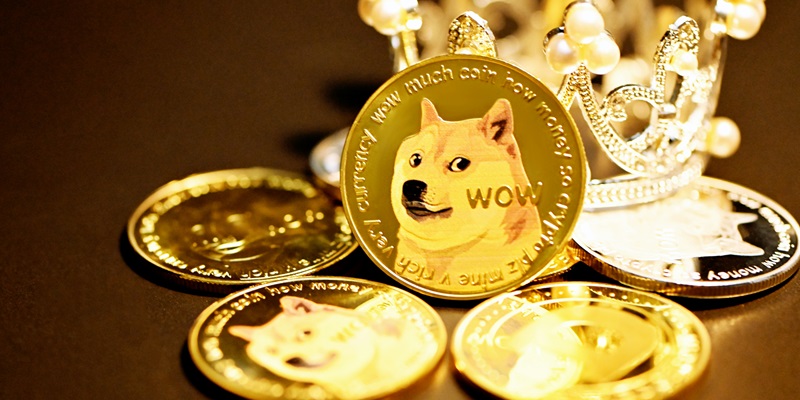
The cryptocurrency market has always been a land of opportunities and surprises. Among the many digital assets, meme coins have carved out a unique niche. Once considered jokes or internet fads, coins like Dogecoin and Shiba Inu have turned into major players in the market, characterized by their volatility and community-driven nature. However, recent market conditions have led to a decline in their market capitalization, raising questions about their future trajectory. This article delves into the current sentiment, potential catalysts for a rebound, and how meme coins interplay with broader crypto assets.
Market Volatility and Sentiment
Current State of Meme Coins
Meme coins have witnessed a dramatic fall in market capitalization—from a peak of over $70 billion earlier this year, they now stand at $44.4 billion. This decline mirrors the overall trends in the crypto market but is particularly stark for these highly speculative assets. Despite this drop, meme coins remain popular among a certain segment of investors looking for quick gains. The volatile nature of meme coins makes these assets especially intriguing for those willing to ride the highs and lows of the market, with hopes of striking it rich in short periods.
The allure of meme coins often lies in their inherent unpredictability and capacity for rapid gains. Unlike traditional assets, meme coins can experience exponential growth in a matter of hours, often driven by social media buzz or celebrity endorsements. This speculative fervor is both a strength and a vulnerability, attracting a unique but risk-tolerant segment of the investment community. Despite the downtrend, the resilience of meme coin communities keeps the potential for a rebound alive, even if the journey is fraught with uncertainties.
Correlation with Major Cryptocurrencies
Historically, the price movements of meme coins are closely linked to Bitcoin and Ethereum. When Bitcoin experiences a rally, meme coins often follow suit, buoyed by the positive market sentiment that spills over into smaller, riskier assets. Conversely, downturns in Bitcoin also pull meme coins down, amplifying the volatility. This close correlation is a double-edged sword: while it enables meme coins to capitalize on broader bullish trends, it also subjects them to the same vulnerabilities that affect the larger crypto market.
The dependency on Bitcoin and Ethereum creates a domino effect where the performance of these major cryptocurrencies dictates the fate of meme coins. Even minor fluctuations in Bitcoin’s price can have outsized impacts on meme coins, triggering large inflows or outflows of capital. This close correlation also means that successful predictive analysis of major cryptocurrencies can offer valuable insights into potential movements of meme coins, providing a tactical advantage for traders. However, this also underscores the inherent risk—any unexpected downturn in Bitcoin or Ethereum could spell trouble for meme coin investors.
Potential Catalysts for a Rebound
Influence of Bitcoin Trends
Analysts believe that a bullish trend in Bitcoin could significantly boost meme coins. When Bitcoin shows strong upward momentum, it tends to create a market environment where investors are more willing to take risks, including putting money into meme coins. Historical data supports this, showing that meme coins benefit disproportionately from overall bullish trends in major cryptocurrencies. The spillover effect from Bitcoin’s performance to meme coins can result in accelerated gains, especially when optimism sweeps across the broader crypto market.
A substantial bullish trend in Bitcoin can provide a fertile ground for meme coins to flourish. This positive sentiment, backed by strong market fundamentals, creates a ripple effect that emboldens investors to seek higher returns from riskier assets like meme coins. Furthermore, the volatility in meme coins can offer amplified returns on investment compared to more stable assets, enticing speculative capital to flow into these digital currencies. The cyclical nature of the crypto market implies that meme coins, albeit with greater risk, can mirror the fortunes of their larger counterparts under the right conditions.
Federal Reserve’s Monetary Policies
Monetary policy decisions by the Federal Reserve play a critical role in the investment landscape. Interest rate cuts are particularly influential, driving investors towards riskier assets, including meme coins. The prospect of rate hikes tends to stymie investments in these volatile assets, whereas the promise of rate cuts fuels optimism and speculative buying. When the Federal Reserve signals potential interest rate cuts, it generates a more favorable environment for risk-taking, propping up assets like meme coins that thrive on speculative investments.
In periods where the Federal Reserve takes an accommodating stance, meme coins have an opportunity to capitalize on increased liquidity and investor appetite for higher returns. Lower interest rates typically reduce the attractiveness of traditional low-risk investments, pushing investors toward assets with higher potential yields, such as meme coins. This dynamic can lead to a resurgence in meme coin prices, driven by newfound investor enthusiasm and the search for quick profits. The interplay between monetary policy and market sentiment illustrates the delicate balance that can significantly affect the trajectory of meme coins.
Positive Macroeconomic Indicators
Favorable macroeconomic indicators, such as robust job data in the U.S., also contribute to the optimistic outlook. Improved economic conditions often lead to expectations of rate cuts, which can drive renewed interest in speculative investments like meme coins. Strong job growth and economic stability provide a backdrop where investors feel more confident in diversifying their portfolios to include riskier assets. This environment nurtures a breeding ground for speculative assets to gain traction, further invigorating the meme coin market.
Positive macroeconomic indicators often create a cascade of optimism in financial markets. With robust job data and economic growth, the market sentiment turns favorable, laying the groundwork for speculative assets to attract more capital. Investors, buoyed by encouraging economic reports, are more likely to venture into meme coins, anticipating higher returns. This dynamic showcases how broader economic health can indirectly benefit meme coins, infusing them with a renewed sense of vitality. The overall market mood, shaped by economic indicators, sets the stage for meme coins to potentially make a robust comeback.
Community and Speculative Nature
The Role of Community Support
One of the unique aspects of meme coins is their strong community support. Communities around these coins often initiate viral marketing campaigns and social media blitzes, driving up interest and, consequently, prices. Dogecoin and Shiba Inu, for instance, have benefited immensely from community-driven hype. These grassroots movements are instrumental in the price dynamics of meme coins, as they generate buzz and attract new investors. The sense of belonging and collective effort within these communities fuels their persistence, even amid market downturns.
The organic growth of meme coin communities can be credited for sustaining interest and driving prices upward during favorable conditions. These communities operate with a blend of humor, shared goals, and viral campaigns, often leveraging platforms like Twitter, Reddit, and TikTok to amplify their messages. Influencers and high-profile endorsements further galvanize these groups, creating momentum that can lead to substantial price rallies. The resilience and cohesion of these communities are pivotal elements that can spearhead a resurgence, making them indispensable to the meme coin ecosystem.
Speculative Investment Dynamics
The primary appeal of meme coins lies in their speculative nature. Investors are often drawn in by the potential for rapid gains, fueled by social media trends and viral memes. This speculative behavior leads to high volatility, but also creates opportunities for quick profit, especially during favorable market conditions. The allure of “explosive” gains within short periods positions meme coins as attractive, albeit risky, investment options for those looking to capitalize on market hype. This speculative frenzy forms the bedrock of the meme coin market, constantly tantalizing new and seasoned investors alike.
While speculative investments in meme coins come with inherent risks, they also align with the high-reward aspect that draws a specific investor demographic. These investors, often unphased by conventional valuation metrics, prioritize the potential for exponential returns. The speculative dynamic is bolstered by periodic media coverage and market trends that can cause sudden spikes in buying activity. This behavior underscores the dual-edged sword of meme coin investments—high potential rewards accompanied by significant risks. The speculative nature, influenced heavily by market psychology and social media, remains a critical factor in the meme coin narrative.
Historical Context and Patterns
Previous Price Surges
Meme coins have seen remarkable price increases in the past, often triggered by viral trends and enthusiastic community backing. For instance, Dogecoin surged dramatically following tweets from influential figures and coordinated efforts by its community to garner attention. These surges exemplify how quickly meme coins can gain traction and attract substantial capital inflows, often resulting in eye-popping returns for early entrants. The historical price surges underscore the potential for meme coins to rebound, given the right confluence of social and market factors.
The price volatility witnessed during past surges illustrates the rapid escalation meme coins can achieve, turning them into phenomena within the crypto space. These instances highlight how meme coins can shift from mere jokes to valuable digital assets, driven by collective enthusiasm and external influences. Even though such surges are often short-lived, they leave lasting impressions that can rekindle investor interest and set the stage for future rallies. The pattern of sudden spikes, followed by corrections, encapsulates the unpredictable yet potentially lucrative journey of meme coins.
Robust Community Development
Despite their origins as jokes, some meme coins have developed robust communities that advocate for their utility and wider acceptance. This adds another layer of interest, pushing these coins beyond mere speculation and towards more sustained value propositions. Communities advocating for meme coins often focus on expanding their use cases, fostering adoption, and extending their ecosystem. This gradual but consistent development bolsters the credibility of meme coins and provides a more balanced view of their potential beyond hype-driven investment.
The growing utility and acceptance driven by meme coin communities signify an evolution from speculative assets to more sustainable digital currencies. Initiatives around integrating meme coins into various platforms, enhancing transactional capabilities, and partnering with mainstream entities contribute to this transformation. These efforts underscore the versatility and innovation that can exist within meme coin communities, positioning them as more than transient trends. The robust development efforts present meme coins as multifaceted assets, capable of adapting and thriving in the dynamic crypto landscape.
The Interplay with Broader Crypto Assets
Impact of Overall Market Conditions
The broader cryptocurrency market’s health significantly impacts meme coins. Positive trends in major cryptocurrencies set the stage for a meme coin resurgence, while adverse market conditions often spell increased volatility and declining prices for these assets. The interconnected nature of the crypto market means that meme coins inherently reflect the ebb and flow of major digital currencies. Positive market indicators can rejuvenate interest in meme coins, while negative sentiments can exacerbate their volatile nature, creating a tightly linked relationship between overall market health and meme coin performance.
Market conditions serve as a barometer for meme coins, influencing investor sentiment and capital allocation decisions. When the broader market enjoys a bullish phase, meme coins benefit from the overflow of speculative investments. Conversely, during bearish periods, meme coins can experience steeper declines due to their heightened volatility. The sensitivity of meme coins to macro-market trends underscores their susceptibility to broader economic forces, situating them as highly reactive components in the cryptocurrency ecosystem.
The Domino Effect in Crypto
The cryptocurrency market has always been a realm of opportunities and unexpected developments. Among the variety of digital assets, meme coins have secured a singular position. Initially regarded as jokes or fleeting internet sensations, cryptocurrencies like Dogecoin and Shiba Inu have evolved into significant market players. Their growth is largely driven by their inherent volatility and the strength of their communities. However, recent market downturns have caused a notable decline in their market capitalizations, sparking debates about their future. This discussion explores the current sentiments surrounding meme coins, identifies potential factors that could trigger a market rebound, and examines how these meme coins interact with the broader landscape of crypto assets. Despite their whimsical origins, meme coins have demonstrated an uncanny ability to capture public interest and investment, proving that they are more than just passing trends. As the market continues to evolve, the path forward for these digital assets remains a topic of significant interest and speculation.