
Will Digital Wallets Overtake Card Payments by 2027?

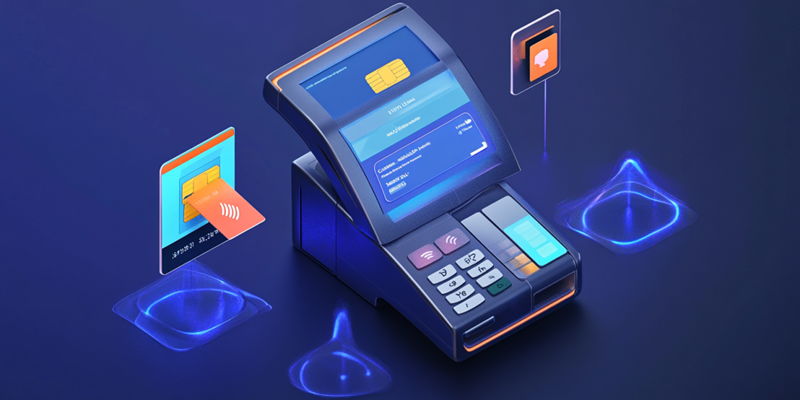
The rise of digital payment solutions is causing a significant transformation in how transactions are conducted, prompting questions about the future dominance of traditional card payments. Digital wallets are forecasted to gain substantial traction in the upcoming years. By 2027, these innovative payment methods are expected to account for more than half (61%) of ecommerce payments and 46% of in-store transactions. This shift presents a potential threat to banks, which rely heavily on revenues from traditional card payments. As digital wallets and instant payment methods become more widespread, they could “cannibalize” card transactions, directly impacting the financial stability of banks.

It is highlighted the rapid adoption of digital wallets, supported by the convenience and speed these methods offer. Unlike traditional card payments that often involve multiple intermediaries, digital wallets provide a seamless transaction experience by integrating various payment options into a single platform. This efficiency appeals to a tech-savvy consumer base that increasingly seeks ways to simplify their financial transactions. As a result, the reliance on physical cards is diminishing, with digital wallets stepping in to fill the gap. This trend is fueled by the ubiquity of smartphones and other mobile devices, making it easier for consumers to adopt and utilize digital payment solutions in their daily lives.

The Impact on Bank Revenues

It is underscored the swift adoption of digital wallets, driven by the convenience and speed they offer. Unlike traditional card payments, which often involve several intermediaries, digital wallets provide a seamless transaction experience by integrating multiple payment options into one platform. This efficiency appeals to a tech-savvy consumer base eager to simplify financial transactions. Consequently, reliance on physical cards is waning, with digital wallets stepping in. This trend is bolstered by the widespread use of smartphones and mobile devices, facilitating the adoption and use of digital payment solutions in everyday life.

Explore more

Jenacie AI Debuts Automated Trading With 80% Returns

We’re joined by Nikolai Braiden, a distinguished FinTech expert and an early advocate for blockchain technology. With a deep understanding of how technology is reshaping digital finance, he provides invaluable insight into the innovations driving the industry forward. Today, our conversation will explore the profound shift from manual labor to full automation in financial trading. We’ll delve into the mechanics

Chronic Care Management Retains Your Best Talent

With decades of experience helping organizations navigate change through technology, HRTech expert Ling-yi Tsai offers a crucial perspective on one of today’s most pressing workplace challenges: the hidden costs of chronic illness. As companies grapple with retention and productivity, Tsai’s insights reveal how integrated health benefits are no longer a perk, but a strategic imperative. In our conversation, we explore

DianaHR Launches Autonomous AI for Employee Onboarding

With decades of experience helping organizations navigate change through technology, HRTech expert Ling-Yi Tsai is at the forefront of the AI revolution in human resources. Today, she joins us to discuss a groundbreaking development from DianaHR: a production-grade AI agent that automates the entire employee onboarding process. We’ll explore how this agent “thinks,” the synergy between AI and human specialists,

Is Your Agency Ready for AI and Global SEO?

Today we’re speaking with Aisha Amaira, a leading MarTech expert who specializes in the intricate dance between technology, marketing, and global strategy. With a deep background in CRM technology and customer data platforms, she has a unique vantage point on how innovation shapes customer insights. We’ll be exploring a significant recent acquisition in the SEO world, dissecting what it means

Trend Analysis: BNPL for Essential Spending

The persistent mismatch between rigid bill due dates and the often-variable cadence of personal income has long been a source of financial stress for households, creating a gap that innovative financial tools are now rushing to fill. Among the most prominent of these is Buy Now, Pay Later (BNPL), a payment model once synonymous with discretionary purchases like electronics and