

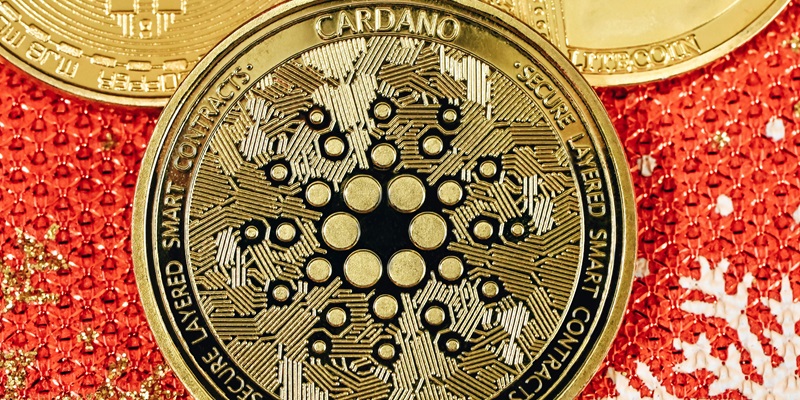
In recent days, the cryptocurrency market has seen a notable uptick in the value of Cardano (ADA), with the digital asset experiencing a 10% surge. This increase can be traced back to several important announcements and developments related to the blockchain’s scalability and governance enhancements. The surge in price has been accompanied by an evident shift in market sentiment, reflecting rising investor confidence. The central figure behind these developments is Charles Hoskinson, the founder of Cardano, who recently detailed an ambitious roadmap aimed at enhancing the platform’s performance and governance. These announcements have generated significant optimism among investors and the broader crypto community, propelling Cardano into the spotlight.
Scalability Enhancements and Market Reaction
The recent 10% surge in Cardano’s value has been largely attributed to the announcement of important scalability enhancements aimed at improving the blockchain’s efficiency and security. Market confidence in these planned improvements has been palpable, highlighting the potential impact of these upgrades on Cardano’s transactional capabilities. The centerpiece of these enhancements includes technological innovations such as Leios, rollups within the PlutusV3 platform, and Hydra, an advanced layer-2 solution. These technologies are set to bolster Cardano’s layer-1 performance, ensuring not only faster transaction speeds but also enhanced security measures.
Investors have responded positively to these promises of technological improvements. Leios is expected to play a vital role in optimizing the blockchain’s foundational architecture, targeting specific issues related to scalability. Similarly, the introduction of PlutusV3 is expected to offer substantial benefits by incorporating rollups that increase transaction throughput and make the network more efficient. Not to be overlooked is Hydra, a sophisticated layer-2 solution designed to significantly improve transaction speeds while maintaining strict security standards. These combined technological strides are anticipated to establish Cardano as a formidable competitor in the blockchain industry, driving its appeal among both investors and developers.
Technological Advancements: Leios, PlutusV3, and Hydra
Cardano’s recent performance boost can be directly linked to several pivotal technological upgrades aimed at enhancing the network’s capabilities. Leios forms an integral part of this strategy, focusing on improving the scalability of Cardano’s architecture. Its implementation is expected to resolve longstanding criticisms regarding slower processing times and intricate security concerns inherent in the blockchain’s existing algorithms. Complementing Leios, PlutusV3 introduces rollups designed to significantly enhance transaction throughput. This technological advancement is particularly notable for its potential to streamline network operations and improve overall efficiency.
Adding to these advancements is Hydra, an advanced layer-2 solution aimed at elevating transaction speeds while adhering to strict security protocols. Hydra’s role within this triad of technological improvements is critical; it promises to address scalability challenges by handling a high volume of transactions efficiently. Together, these upgrades reflect a strategic effort to position Cardano more favorably against its competitors in the blockchain space. As these advancements continue to roll out, the anticipation surrounding their impact is likely to maintain Cardano’s increased market appeal, capturing the interest of investors and the broader crypto community.
Market Sentiment and Investor Confidence
The market’s reaction to these planned improvements has been overwhelmingly positive, as evidenced by the 10% increase in ADA’s value. Peaking at $0.34 per token, this rally indicates strong investor confidence in the platform’s potential and the technological advancements being implemented. Charles Hoskinson’s detailed announcements via social media platforms like X (formerly Twitter) have played a significant role in driving this optimism. Investors are not only focusing on the immediate increase in ADA’s value but are also optimistic about the long-term benefits these upgrades could bring to the Cardano ecosystem.
This buoyant market sentiment extends beyond the mere price appreciation of ADA tokens; it signifies a broader belief in the technological and strategic direction Cardano is taking. The anticipation of improved scalability and heightened security are crucial factors contributing to this positive outlook. As these technological updates advance, Cardano’s competitive edge is likely to be reinforced, potentially attracting more users and higher levels of network utilization. The integration of these innovations underscores Cardano’s commitment to addressing previous shortcomings, thereby fostering sustained investor confidence and market interest.
Chang Hard Fork and On-Chain Governance
A critical component contributing to Cardano’s recent surge is the successful completion of the Chang hard fork on September 1. This major upgrade has introduced on-chain governance features, significantly altering the landscape of the Cardano ecosystem. The introduction of these governance mechanisms allows ADA holders to have an active role in the network’s decision-making processes. This development is in line with Charles Hoskinson’s vision of a fully community-governed Cardano, enhancing both the transparency and democratic nature of the blockchain.
The Chang hard fork enables users to elect representatives, vote on proposed changes, and make decisions concerning technical alterations to the network. This level of user involvement marks a significant departure from the centralized decision-making structures commonly observed in many other blockchain projects. By empowering its users, Cardano is not only fostering a more inclusive governance model but also reinforcing investor confidence. The successful integration of the Chang hard fork and its associated governance features represents a substantial milestone in Cardano’s evolutionary journey, further bolstering the network’s future prospects.
Decentralized Governance and Future Vision
Charles Hoskinson’s long-term vision for Cardano strongly emphasizes the importance of decentralization and technological enhancement. The strategic move towards a fully decentralized governance model is central to this vision, designed to make the network more resilient and democratically controlled. This shift aligns with the foundational ethos of blockchain technology and caters to the growing demand for decentralized platforms that offer greater user control. The shift towards decentralized governance is also a response to the increasing need for transparency and community involvement in blockchain ecosystems.
By decentralizing its governance mechanisms, Cardano is setting a precedent within the cryptocurrency space, fostering a community-governed ecosystem prepared for sustained growth. This move not only highlights Cardano’s commitment to decentralization but also positions it as a pioneering force in the broader blockchain industry. The combination of technological advancements and a robust governance framework aims to elevate Cardano’s competitive stance, ensuring its long-term success. These dual elements of innovation and decentralization are central to attracting and retaining investor interest.
Long-Term Strategy and Competitive Position
Cardano’s long-term strategy integrates both technological advancements and decentralized governance, aiming to secure its position in the highly competitive cryptocurrency market. This dual approach addresses existing shortcomings while preparing the network for future challenges. Over the past year, ADA’s price has seen a notable increase of 34%, reflecting rising confidence in Cardano’s potential. The alignment of technological and governance enhancements is pivotal for sustaining this positive trend, providing a solid foundation for Cardano’s continued growth and market presence.
Investors are increasingly recognizing the value of Cardano’s comprehensive approach. The anticipated scalability improvements, alongside enhanced decentralized governance, form the cornerstone of Cardano’s strategic positioning. As these enhancements are progressively implemented, the network’s operational efficiency and market appeal are expected to improve significantly. The convergence of these elements is crucial for maintaining Cardano’s competitive edge, fostering higher adoption rates, and ensuring sustainable long-term growth. This holistic strategy underpins Cardano’s commitment to innovation and decentralization.
Technological and Governance Synergy
Recently, the value of Cardano (ADA) has experienced a significant increase, with the cryptocurrency seeing a 10% surge in its market price. This boost is largely attributed to key announcements and developments centered around improvements in the blockchain’s scalability and governance features. Such positive news has led to a noticeable shift in market sentiment, demonstrating growing confidence among investors.
At the heart of these developments is Charles Hoskinson, Cardano’s founder. Hoskinson has recently shared an ambitious roadmap aimed at significantly enhancing the platform’s performance and governance structure. These strategic plans have instilled a wave of optimism not only among investors but also within the broader crypto community. As a result, Cardano has gained substantial attention and emerged prominently in recent discussions within the digital asset space. This newfound spotlight underscores the increasing credibility and potential of Cardano as a leading player in the evolving cryptocurrency market.