

Setting the Stage for a Fintech-Automotive Collision
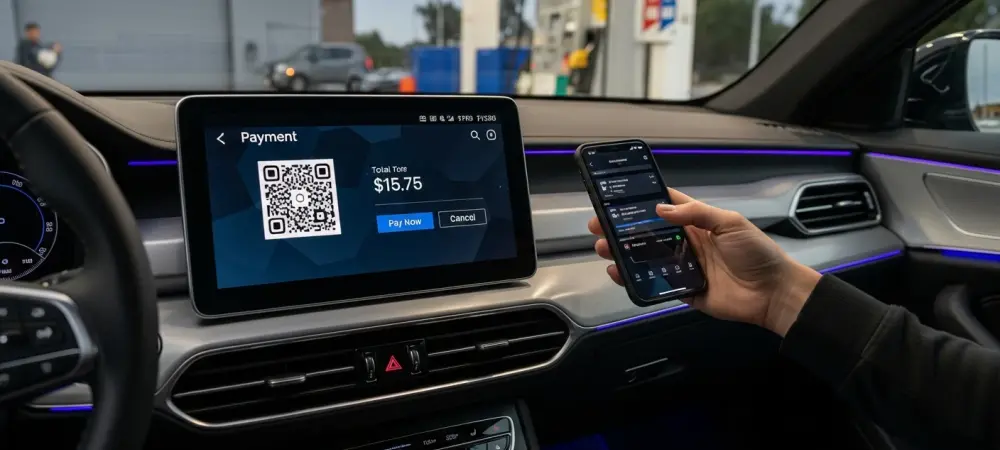
In a world where digital transactions permeate every facet of daily life, the automotive sector has emerged as a frontier for payment innovation, promising seamless in-car transactions for fuel, parking, and beyond. Yet, a striking statistic underscores a sobering reality: despite high hopes, JPMorgan Chase, one of the largest financial institutions globally, recently shuttered its in-car payments division, once known as VW Pay. This closure signals deeper systemic challenges in marrying fintech with automotive ecosystems. The purpose of this market analysis is to dissect the factors behind this strategic retreat, evaluate current trends in automotive payments, and project potential pathways for future growth. Understanding these dynamics is critical for stakeholders aiming to navigate the intersection of technology and mobility in an increasingly digital economy.
This analysis delves into the market forces, integration hurdles, and consumer behavior shifts that contributed to the downfall of a once-promising venture. By examining data on financial performance and adoption rates, alongside broader industry patterns, this piece aims to provide actionable insights for fintech firms and automakers. The importance of this evaluation lies in its capacity to highlight pitfalls and opportunities in a niche yet transformative market segment, guiding strategic decisions in a landscape ripe for disruption.
Dissecting the Market: Trends and Barriers in Automotive Payments
Historical Context and Market Entry Challenges
The journey of JPMorgan’s in-car payments division began with its acquisition of a Luxembourg-based unit from Volkswagen in 2021, targeting a nascent market for digital transactions embedded within vehicles. Initially, the vision was to capitalize on connected car technologies, enabling drivers to pay for services like refueling or tolls without leaving their seats. However, market entry proved far more arduous than anticipated, as adoption remained confined largely to Volkswagen Group brands. This limited scope stifled growth, revealing a critical trend: the automotive payment sector struggles with fragmented ecosystems where collaboration across manufacturers and service providers remains elusive.
Data on market penetration further paints a grim picture. Despite efforts to expand, the division failed to attract significant interest from other automakers or parts suppliers over the past few years. This lack of traction underscores a broader challenge—convincing stakeholders of the value proposition when existing payment methods, such as mobile wallets, already dominate consumer preferences. The historical inability to scale beyond a single major client highlights a structural barrier in the market, where innovation often outpaces practical implementation readiness.
Financial Performance and Economic Viability Issues
Turning to financial metrics, the in-car payments venture faced substantial losses, with a reported deficit of €28.8 million in the most recent fiscal period. Even with the onboarding of eight merchant clients in prior cycles, the revenue generated fell short of offsetting the hefty investments poured into development and integration. This economic shortfall reflects a critical market trend: niche payment solutions in the automotive space lack a sustainable business model when consumer willingness to pay for added convenience remains low.
The absence of a robust revenue stream is compounded by the high costs of integrating payment systems with diverse external providers like gas stations and parking facilities. Unlike broader fintech markets where transaction fees or subscriptions drive profitability, automotive payments grapple with a narrow customer base and limited transaction volume. This financial analysis suggests that without a radical rethinking of cost structures or value delivery, similar ventures risk repeating this cycle of unprofitability in the current market environment.
Consumer Behavior Shifts and Competitive Pressures
A pivotal external factor reshaping the market is the rapid shift in consumer behavior, accelerated by global events like the COVID-19 pandemic. The surge in contactless payment adoption—via tap-to-pay cards and mobile apps—has diminished the unique appeal of in-car transaction systems. Drivers now prioritize universally accessible solutions over vehicle-specific technologies, a trend that has intensified competition from established fintech players offering seamless alternatives at no extra cost.
This behavioral pivot aligns with a broader competitive landscape where automotive payment innovations face pressure from dominant digital wallets and banking apps. Market data indicates that over 70% of consumers in major economies now use contactless methods as their primary payment tool, leaving little room for niche offerings unless they deliver unparalleled convenience or integration. The lesson for the market is evident: any全世界
Forecasting the Future: Opportunities and Projections in In-Car Transactions
Emerging Technologies and Potential Revival
Looking ahead, the market for in-car payments may find renewed momentum through emerging technologies like autonomous vehicles, projected to gain significant traction by 2027. Fully driverless cars could necessitate built-in payment systems for automated transactions such as tolls, maintenance, or passenger services, creating a fresh demand for integrated solutions. Industry projections suggest that if standardized protocols for vehicle-to-infrastructure communication are established, adoption rates could rise by 25% within the next five years, revitalizing interest in this space.
However, this potential revival hinges on overcoming current market fragmentation. Collaborative frameworks involving automakers, fintech companies, and regulatory bodies will be essential to define universal standards for data security and transaction processing. Without such alignment, even cutting-edge technologies risk stalling at the pilot stage. The forecast here points to a cautious optimism, where technological advancements could reshape the market if paired with strategic ecosystem development.
Strategic Shifts Toward Mobile Ecosystem Integration
Another trend shaping future projections is the pivot toward integrating payment functionalities into existing mobile ecosystems rather than standalone in-car systems. Market analysis indicates that partnering with mobile wallet providers could reduce integration costs by up to 30%, while leveraging consumer familiarity with platforms like Apple Pay or Google Wallet. This approach aligns with current user preferences, offering a low-friction entry point for automotive transactions without requiring extensive hardware modifications.
Such a shift could also address scalability concerns by tapping into a pre-existing user base, unlike the isolated model pursued by JPMorgan’s venture. Projections for 2025 to 2027 suggest that hybrid solutions—combining mobile apps with vehicle interfaces—may dominate early adopters, particularly in premium vehicle segments where tech-savvy consumers are more receptive. This strategic redirection signals a pragmatic evolution in market thinking, prioritizing accessibility over novelty.
Regulatory and Privacy Considerations
A final dimension influencing future market dynamics is the evolving regulatory landscape around data privacy and automotive technology. Stricter guidelines on how transaction data is stored and shared within connected vehicles could either enable or impede innovation, depending on implementation. Market forecasts highlight that regions with clear, supportive policies may see faster adoption of in-car payment systems, potentially growing their share by 15% in the next few years compared to more restrictive markets.
Compliance with these regulations will demand significant investment in cybersecurity and transparent data handling practices. For the market to mature, trust must be established among consumers wary of privacy breaches in connected environments. This regulatory lens offers a dual perspective: while it poses near-term challenges, it also sets the stage for long-term stability if navigated effectively by industry players.
Reflecting on the Past, Charting the Path Ahead
Looking back, the closure of JPMorgan’s in-car payments division marked a significant setback for a bold experiment at the crossroads of fintech and automotive industries. The venture stumbled due to insurmountable integration challenges, persistent financial losses, and a market that shifted rapidly toward ubiquitous contactless payment alternatives. These hurdles, coupled with limited adoption beyond a narrow client base, painted a cautionary tale of innovation outpacing practical demand.
For stakeholders moving forward, actionable steps emerged from this analysis. Prioritizing partnerships with mobile payment giants offers a cost-effective way to bypass integration woes while aligning with consumer habits. Additionally, focusing on pilot programs with measurable outcomes before full-scale investment helps mitigate financial risks. The industry also needs to advocate for unified standards to foster broader collaboration, ensuring that future innovations stand on a solid foundation of trust and interoperability.
Beyond these strategies, a renewed emphasis on consumer education becomes essential to highlight the unique benefits of in-car transactions, especially in autonomous vehicle contexts. By addressing privacy concerns head-on and tailoring solutions to specific market segments, companies could rebuild momentum in this space. This historical reflection paves the way for a more calculated approach, ensuring that past missteps inform smarter, more sustainable strides toward integrating payments into the fabric of mobility.