

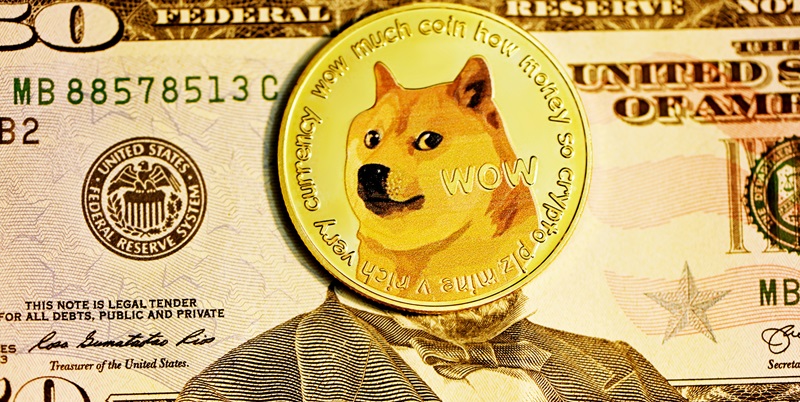
Meme coins are experiencing a surprising resurgence in the crypto market, with experts forecasting significant gains in the upcoming quarter. Often dismissed as a transient phenomenon, these digital currencies are once again garnering attention and interest. The revival of meme coins is driven by several factors, from innovative new contenders like Catzilla to established names like Shiba Inu. This analysis delves into the underlying causes of this resurgence, the various contenders in the meme coin arena, and the potential opportunities they present.
The Rise of Catzilla: A New Contender in the Meme Coin Market
Catzilla is emerging as a notable player in the vibrant and ever-evolving landscape of meme coins. Drawing inspiration from heavyweights such as Dogecoin (DOGE), Shiba Inu (SHIB), and PEPE, Catzilla combines the viral appeal of meme culture with promising financial prospects. What sets Catzilla apart is its unique twist: a thrilling kaiju-inspired storyline featuring a colossal, Godzilla-like cat causing chaos—a concept steeped in Japanese anime and gaming culture that resonates with fans.
But Catzilla is more than just a meme; it is a movement, intending to restore fun and fairness in the crypto world. The project aspires to rally gamers, crypto enthusiasts, and anime fans into a growing community, united by a rebellious mission and a commitment to decentralization. Catzilla signals its potential for longevity and profit through its ambitious 14-stage presale, with token prices rising at each stage, offering early adopters the chance to achieve substantial returns. Notably, some early investors are already eyeing returns as high as 700%.
Catzilla’s appeal lies in its ability to offer financial promise while presenting a statement against greed and manipulation within the crypto world. Whether one is a gamer, a meme enthusiast, or a savvy investor, Catzilla presents an opportunity to join a movement that is reshaping the crypto landscape.
Shiba Inu: An Ethereum-Based Meme Coin with Expanding Utility
Shiba Inu (SHIB), created as an Ethereum-based cryptocurrency inspired by Dogecoin, has carved a niche in the meme coin market since its launch in August 2020 by an anonymous figure known as Ryoshi. Despite its initial supply of one quadrillion tokens, significant reductions occurred when Ethereum co-founder Vitalik Buterin donated a portion of his SHIB and burned 40% of the total supply. This act of community-driven token management added to Shiba Inu’s unique appeal and resilience.
The integration with Ethereum unlocks a wide range of applications for SHIB, including access to ShibaSwap, a decentralized exchange. Prospective developments on the horizon further augment its utility, such as plans for an NFT platform and a decentralized autonomous organization (DAO) to enhance governance. This expanding ecosystem places SHIB in a favorable position within the current market, ensuring it remains a topic of interest. The token’s ability to adapt and offer new functionalities helps maintain its relevance and appeal to a broad user base.
BONK: Empowering the Solana Community
BONK is a meme coin on the Solana blockchain that features a Shiba Inu mascot, aiming to empower the Solana community by redistributing power from venture capital tokens. Following a Coinbase listing, BONK experienced a surge of over 100%. This coin functions as a "community coin," with 50% of its supply airdropped to Solana’s NFT and DeFi participants. In mid-December 2023, BONK emerged as the third-largest meme coin by market cap and one of the top gainers, boasting a year-to-date increase of over 10,000%.
Its integration into the Solana ecosystem and involvement in decentralized applications like BonkSwap highlight its potential. This symbiotic relationship helps bolster the coin’s credibility and appeal, positioning BONK as a significant player within the current market cycle. With its innovative model and community-focused distribution, BONK exemplifies the evolving dynamics in the meme coin space, catering to a more engaged and participatory audience.
MEW: A Cat-Themed Challenger to Dog Coins
MEW is a cat-themed cryptocurrency stepping into a market dominated by dog-themed coins like Dogecoin and Shiba Inu. MEW aims to stand out by offering unique features and technologies that set it apart from its canine counterparts. This coin seeks to attract users interested in meme coins but also value innovation and potential utility. Unlike its predecessors, MEW’s unique angle and approach present fresh opportunities for investors looking for something distinct.
MEW’s attractiveness hinges on its ability to deliver on its promises and carve a niche in the crowded meme coin space. Given the current market cycle, where meme coins continue to attract attention, MEW presents a compelling opportunity for investors looking for something new. The blend of novelty, innovation, and the meme coin appeal makes MEW a noteworthy contender in the meme coin market. Its ability to combine the familiar meme coin concept with innovative features positions it as a prominent option for both new and seasoned investors.
DEGEN: Connecting Communities on the Base Blockchain
DEGEN is a meme coin that began as an unofficial token for the Farcaster community, which focuses on decentralized social networking. As an ERC-20 token operating on the Base blockchain, DEGEN has drawn in developers, cryptocurrency creators, and fans. Its popularity has grown as other meme coins have begun using the Base blockchain as well. Initially, DEGEN served as a reward system for members of the Farcaster Degen channel. Now, it plans to distribute 70% of all DEGEN tokens through future airdrops to maintain community engagement.
With its expanding network and active community support, DEGEN distinguishes itself in the current market cycle as a coin with notable potential. The community-driven nature and its efforts to engage users through airdrops underscore DEGEN’s commitment to fostering a robust and dynamic ecosystem. These attributes make it a significant player in the meme coin resurgence, emphasizing the importance of strong community support for sustained growth and relevance.
Conclusion: The Surge of Meme Coins in the Crypto Market
Meme coins are seeing an unexpected revival in the crypto market, with experts predicting substantial gains in the upcoming quarter. These digital currencies, often written off as fleeting trends, are capturing renewed attention and interest. The resurgence of meme coins is fueled by a mix of new and innovative players, like Catzilla, and established names such as Shiba Inu. This trend is driven by several key factors, including growing community support, increased media attention, and strategic marketing efforts. This analysis explores the reasons behind the resurgence, examines the various players competing in the meme coin landscape, and evaluates the potential opportunities these coins could offer. As meme coins gain more traction, they introduce unique financial prospects and investment avenues, sparking debates on their long-term viability and impact on the broader cryptocurrency market. Understanding these elements is essential for anyone looking to navigate the evolving crypto world.