

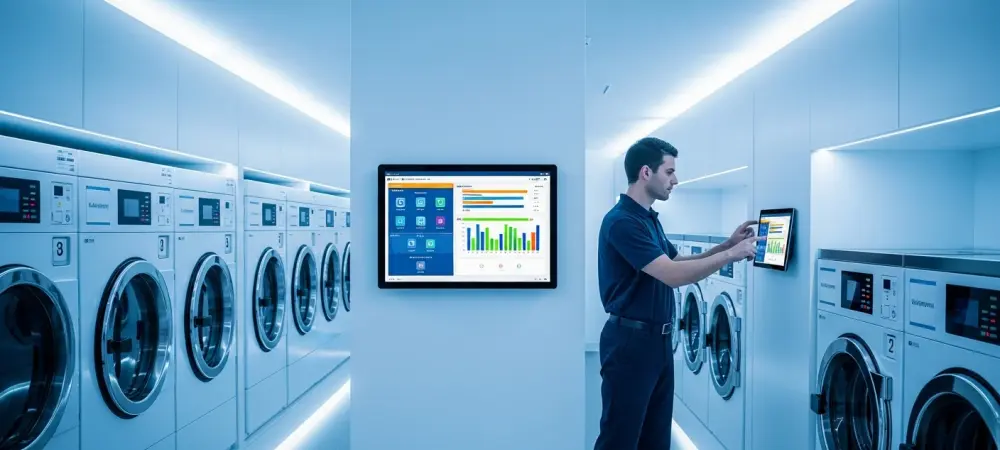
The clinking of quarters in heavy metal lint traps is rapidly becoming a relic of the past as modern laundry facilities embrace a digital-first approach to urban service management. This five-billion-dollar sector has long been defined by its heavy reliance on physical currency, yet the current landscape reflects a profound professionalization of the industry. As apartment-dwelling populations expand and consumer expectations evolve, the transition toward hybrid and fully digital ecosystems is no longer a luxury but a fundamental requirement for survival in a fragmented market.
The Evolution of the American Self-Service Laundry Landscape
Professional operators are moving away from labor-intensive coin models to adopt sophisticated management platforms that unify equipment and payments. By integrating modern technology, owners are transforming once-utilitarian spaces into efficient, data-driven retail environments that mirror the convenience found in other service industries.
The entry of major technological players has further accelerated this transition, providing the hardware and software necessary to scale operations. These advancements allow for a more streamlined experience, reducing the time spent on manual maintenance. Consequently, the industry is seeing a rise in multi-store portfolios managed through centralized dashboards, reflecting a broader trend of institutionalization within the laundry sector.
Catalysts for Modernization and Digital Integration
Shifting Consumer Preferences and the Rise of Mobile Technology
Modern users increasingly view physical currency as an inconvenience, preferring the seamless nature of mobile applications and tap-to-pay interfaces. This “cashless” lifestyle has pushed laundromats to integrate credit card readers and dedicated apps that allow customers to track machine availability in real-time. By removing the friction of finding a change machine or carrying heavy rolls of coins, facilities are significantly improving the overall user journey.
Security also plays a vital role in this preference shift, as digital budgeting tools provide users with a transparent record of their spending. Mobile platforms enable customers to manage their laundry expenses from their smartphones, offering a sense of control and safety that cash cannot provide. As a result, the perceived value of a facility is now heavily tied to its technological capabilities and ease of use.
Performance Metrics and the Financial Impact of Going Digital
Current industry data indicates that more than half of domestic laundromats now secure the bulk of their revenue through electronic means rather than physical coins. Facilities that have implemented digital systems often report revenue jumps ranging from 17% to 22%, driven by the psychological ease of swiping a card compared to counting physical currency. This growth trajectory suggests that the adoption of cashless technology is a primary indicator of a facility’s long-term financial health.
Furthermore, card-accepting stores are better positioned to weather economic shifts through more precise price management. Unlike traditional machines locked into 25-cent increments, digital interfaces allow for micro-adjustments and tiered pricing. This flexibility ensures that revenue keeps pace with utility costs, providing a more stable profit margin for operators who choose to innovate.
Navigating the Obstacles of a High-Tech Transition
Transitioning a legacy storefront into a modern hub requires a substantial initial capital injection for hardware and software licensing. Beyond the upfront costs of installing new control boards or card readers, operators must factor in recurring processing fees that generally subtract between 1.5% and 3.5% from every transaction. Balancing these new overhead costs against projected revenue increases remains a critical calculation for independent store owners.
There is also the challenge of technological inclusivity, particularly for unbanked populations or older demographics who may resist app-based systems. Maintenance cycles become more complex as well, requiring technical expertise to troubleshoot software glitches alongside mechanical repairs. Despite these hurdles, the industry consensus is that the operational efficiencies gained through automation outweigh the complexities of the initial rollout.
Security Standards and the Regulatory Framework of Digital Payments
Operating a digital payment network necessitates strict adherence to PCI compliance to safeguard sensitive financial data from potential breaches. Because laundromats are high-traffic environments, implementing robust encryption and secure payment processors is essential for maintaining consumer trust. This regulatory framework ensures that the shift away from cash does not come at the expense of user privacy or financial integrity.
Moreover, federal and state guidelines regarding the reporting of electronic income have become more streamlined, aiding in the transparency of business operations. The shift in liability for fraudulent transactions also means that operators must stay current with the latest secure hardware updates. By prioritizing these security protocols, laundromat owners protect their assets while providing a safe environment for their patrons.
The Future of Laundry: Innovation and Market Disruptors
Emerging trends suggest that data analytics will soon dictate every aspect of store management, from “time-of-day” pricing to automated customer engagement. Loyalty programs driven by AI are beginning to offer personalized discounts based on individual usage habits, fostering a deeper connection between the brand and the consumer. These tools allow operators to optimize peak hours and incentivize visits during slower periods, maximizing machine throughput.
The integration of the Internet of Things (IoT) will likely lead to even more interconnected ecosystems where machines communicate their health status directly to technicians. As global economic trends point toward the long-term phase-out of physical currency, the “smart” laundromat will become the standard. This evolution will likely see the laundry industry merging with other convenience services to create multi-functional community hubs.
Synthesizing the Shift Toward a Cashless Future
The transition toward digital payment systems provided a clear roadmap for operators to improve operational transparency and customer retention. It became evident that those who resisted the technological curve faced dwindling margins and higher labor costs compared to their modernized counterparts. By leveraging data-driven business models, savvy entrepreneurs turned a stagnant utility into a dynamic, high-growth investment.
Moving forward, the focus was redirected toward total system integration and the use of predictive analytics to preempt mechanical failures. The industry successfully balanced the high costs of entry against the long-term benefits of enhanced efficiency and reduced manual oversight. Ultimately, the move to cashless payments proved to be a pivotal moment that redefined the expectations of the American laundry experience.