

The relentless pursuit of astronomical returns in the cryptocurrency market has consistently led investors toward the volatile yet potentially lucrative world of meme coins, where community sentiment can transform a simple joke into a multi-billion-dollar asset. The landscape is crowded with options, ranging from established giants to emerging contenders, each presenting a unique proposition. Understanding the forces that drive these digital assets is crucial for anyone looking to navigate this high-stakes environment.
This article aims to provide clarity by addressing the most common questions surrounding the top meme coins of 2026. It will explore the key characteristics, market positions, and potential of seven distinct tokens. By examining their strengths and underlying narratives, readers can gain a more comprehensive perspective on what separates a fleeting trend from a token with staying power and significant growth potential in the current market cycle.
Answering Key Questions on Todays Top Meme Coins
Which New Meme Coin Shows Significant Early Promise
Among the newest entrants, APEMARS ($APRZ) has generated considerable attention due to its structured presale and ambitious return-on-investment projections. The project is designed as a community-centric token with integrated utilities, such as staking, which rewards long-term holders and encourages network participation. This model seeks to create value beyond pure speculation, a feature that distinguishes it from many of its predecessors in the meme coin space.
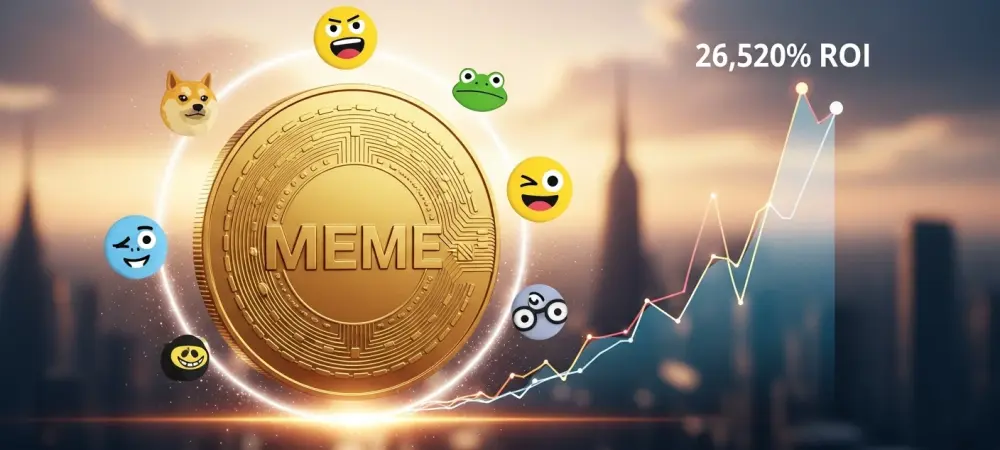
The token’s presale has proceeded in stages, with the initial phase selling out rapidly, indicating strong early interest. Currently in its second stage at a price of $0.00002066, the project forecasts a listing price of $0.0055, which translates to a potential 26,520% ROI for early participants. With a significant portion of the Stage 2 allocation already sold, the window for entry at this valuation is narrowing, highlighting the time-sensitive nature of such presale opportunities and the momentum it has built.
Are Established Meme Coins like Dogecoin Still Relevant
Dogecoin (DOGE) continues to hold its position as a cornerstone of the meme coin market, commanding a substantial market capitalization of around $23.5 billion. As the original meme-inspired cryptocurrency, it benefits from unparalleled name recognition and a vast, dedicated community. This widespread adoption gives it a level of stability not often seen in more speculative assets within the same category.
However, its maturity also means that the potential for exponential gains has diminished compared to its early days. Currently trading significantly below its all-time high of $0.7376, its price movements are now more closely watched by institutional traders and influenced by broader market trends, including discussions around potential ETF approvals. Consequently, while Dogecoin remains a viable and culturally significant asset, it appeals more to those seeking a relatively steady presence in the meme coin sector rather than explosive, short-term growth.
How Does Shiba Inu Compete in the Current Market
Shiba Inu (SHIB) has successfully transitioned from being a “Dogecoin challenger” to a project with its own distinct and expanding ecosystem. Despite trading approximately 90% below its peak, it maintains a multi-billion-dollar market cap and a resilient community. The project’s developers have actively worked to build utility beyond the original token, introducing non-fungible tokens (NFTs), gaming initiatives, and robust staking options.
This strategic expansion aims to create a self-sustaining environment that encourages user engagement and provides tangible value, thereby fostering long-term growth. While its massive circulating supply means that price gains per token are incremental, its potential for widespread adoption remains high. Shiba Inu represents a bet on the power of a community-driven ecosystem to evolve and sustain relevance through various market cycles.
What Opportunities Exist within the Solana Ecosystem
The Solana blockchain has become a fertile ground for new meme coins, largely due to its high transaction speeds and low fees. Among its notable projects are Peanut the Squirrel (PNUT) and Bonk (BONK), each catering to different investor appetites. PNUT leverages viral storytelling and community-driven narratives, positioning itself as a high-risk, high-reward asset with significant speculative upside, as evidenced by its active daily trading volumes.
In contrast, Bonk (BONK) has established itself as a more prominent, dog-inspired token within the Solana ecosystem. It thrives on playful branding, consistent community campaigns, and significant speculative interest from traders. With daily volumes frequently reaching tens of millions of dollars, Bonk appeals to those focused on short-term momentum plays, showcasing the dynamic and fast-paced nature of Solana-based meme coin trading.
Can Ethereum-Based Meme Tokens Still Generate Hype
Ethereum remains a dominant platform for meme coin creation, with tokens like PEPE demonstrating that viral resurgence is still possible on the network. PEPE’s market cap of over $2.5 billion is a testament to the power of social sentiment, as community activity has fueled significant price gains in recent weeks. Its appeal is rooted in its cultural relevance and the implementation of mechanisms like token burns, which aim to increase scarcity and drive value.
ApeCoin (APE) operates in a different niche within the Ethereum ecosystem, functioning as the official utility and governance token for the Bored Ape Yacht Club (BAYC) community. Although its price is substantially down from its all-time high, its relevance is sustained by its integration into metaverse projects and other Web3 applications. APE offers a long-term value proposition for investors who believe in the growth of NFT-linked ecosystems, proving that Ethereum can support both purely speculative and utility-driven meme assets.
A Recap of the Meme Coin Landscape
The current meme coin market presents a diverse spectrum of opportunities, each with its own risk profile and potential reward. On one end, emerging projects like APEMARS offer the allure of massive, early-stage ROI, supported by modern tokenomics such as staking and community incentives. This model appeals to investors seeking to capitalize on presale momentum and the initial growth phase of a new token. At the other end, established leaders like Dogecoin and Shiba Inu provide a degree of market stability and brand recognition that newer tokens lack. Their large communities and ongoing ecosystem developments offer a different kind of investment thesis, one based on long-term relevance and cultural staying power. In between, ecosystem-specific tokens on platforms like Solana and Ethereum cater to various niches, from high-velocity trading to utility within established NFT communities, reflecting the maturation and segmentation of the broader meme coin space.
Final Considerations for Potential Investors
The exploration of these seven distinct meme coins revealed a market in a constant state of flux, where value was derived from a combination of viral hype, community strength, and, increasingly, functional utility. The analysis showed that while legacy tokens like Dogecoin and Shiba Inu maintained their cultural dominance, newer contenders on various blockchains introduced innovative models designed to capture investor interest and sustain long-term engagement. The contrast between a hype-driven asset and a utility-focused one became a central theme.
Ultimately, this examination provided a clear snapshot of how different strategies catered to different investor profiles. The high-risk, high-reward nature of presale opportunities stood in stark contrast to the more measured potential of established market leaders. The insights gained from comparing these assets highlighted the importance of aligning investment choices with personal risk tolerance and understanding the unique narrative driving each token’s journey in this dynamic and unpredictable sector of the digital economy.