

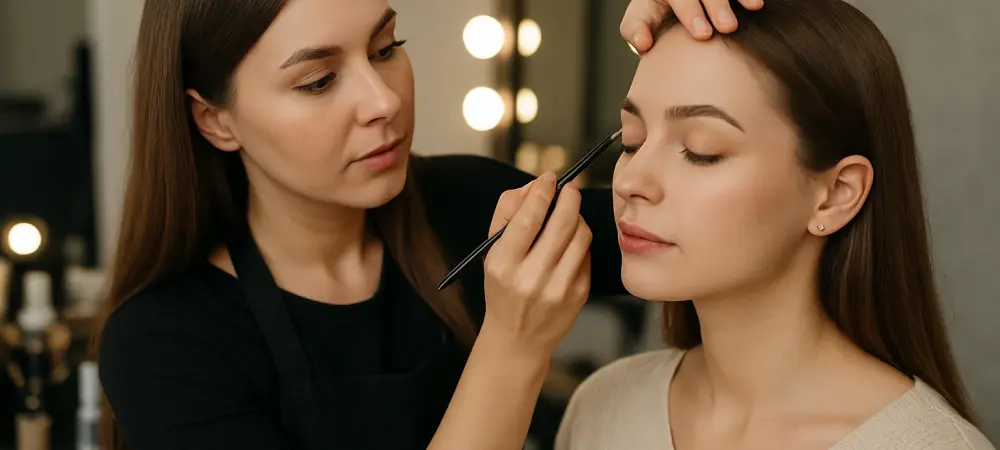
Welcome to an insightful conversation with a seasoned expert in business insurance for small professionals, with a deep focus on the beauty and makeup artist industry. With years of experience guiding freelancers, solo artists, and growing studios, our guest today offers invaluable advice on protecting your craft and livelihood. In this interview, we dive into the critical reasons makeup artists need insurance, explore the essential types of coverage to consider, and break down why certain providers stand out for different needs—whether you’re a freelancer on the go, a part-time artist working from home, or a studio owner scaling up. Let’s get started!
What are some of the biggest risks makeup artists face that make insurance a must-have?
Makeup artists deal with a variety of risks that can pop up unexpectedly. For instance, a client might have an allergic reaction to a product, even if it’s been patch-tested. There’s also the chance of accidentally damaging a client’s property—like spilling makeup on an expensive dress during a wedding gig. And don’t forget about injuries; a slip or fall at an event could lead to a lawsuit. Without insurance, these incidents can hit your wallet hard or even land you in legal trouble. It’s all about having a safety net for those “just in case” moments.
Can you share a real-world example of how lacking insurance could turn a small mishap into a major problem?
Absolutely. Imagine you’re doing makeup for a bride, and she has a severe reaction to a foundation you used, requiring medical attention. If she decides to sue for damages, you could be on the hook for thousands in medical bills and legal fees. Without insurance, you’re paying out of pocket, and that could wipe out your savings or even force you to shut down your business. Insurance steps in to cover those costs, so a single bad day doesn’t ruin everything you’ve built.
When it comes to insurance policies, what are the key types of coverage makeup artists should prioritize?
The big two are general liability and professional liability. General liability covers accidents—like if a client trips over your kit and gets hurt or if you damage something at a venue. Professional liability, often called errors and omissions, protects against claims related to your work, like a client saying your makeup caused a skin issue. Beyond that, I’d recommend looking into coverage for lost or stolen equipment, since your tools are your livelihood, and personal injury protection for things like advertising mishaps. A well-rounded policy addresses all these angles.
How do general and professional liability differ, and why do both matter for makeup artists?
Great question. General liability is about physical accidents or damage—think a client slipping on a cord from your lighting setup or you accidentally breaking a mirror at a venue. It covers bodily injury or property damage not directly tied to your expertise. Professional liability, on the other hand, is about mistakes in your actual work. If a client claims your application technique caused a rash or didn’t meet expectations leading to lost income, that’s where this kicks in. You need both because they cover different risks—one for accidents around your workspace, the other for errors in your craft.
For solo artists or freelancers, affordability is huge. What makes a provider with fixed-rate pricing, like a $169 annual policy, so appealing?
Fixed-rate pricing is a game-changer for solo artists or small businesses because it offers predictability. At $169 a year, you know exactly what you’re paying without worrying about premiums spiking if you take on more clients or offer new services. It’s budget-friendly, especially for freelancers who might not have steady income month to month. Plus, it often comes with comprehensive coverage, so you’re not sacrificing protection for price. It’s peace of mind without breaking the bank.
How does a mobile-friendly insurance platform benefit makeup artists who are always on the move?
For artists constantly traveling between gigs—think weddings, photo shoots, or client homes—a mobile-friendly platform is a lifesaver. You can manage your policy, pull up your certificate of insurance, or even adjust coverage right from your phone. If a venue asks for proof of insurance last minute, you’re not scrambling to find a computer or call someone. It’s all at your fingertips, which fits the fast-paced, on-the-go lifestyle of many freelancers in this industry.
For part-time or home-based makeup artists, what unique advantages can tailored insurance policies offer?
Part-time or home-based artists often have different needs compared to full-time pros or studio owners. Tailored policies might include discounts specifically for home-based businesses, since your risk profile is lower without a commercial space. They can also offer flexible payment plans or coverage limits that match smaller-scale operations. Plus, some providers include protections like misconduct liability, which is crucial even if you’re working from home. It’s about getting the right coverage without overpaying for things you don’t need.
As businesses grow into teams or studios, how does comprehensive coverage become even more critical?
When you’re scaling up to a team or studio, your risks multiply. You’ve got employees who could get injured on the job, more equipment to protect, and possibly a physical location that needs coverage for things like fire or theft. Comprehensive policies, like a Business Owner’s Policy, bundle things like property damage, cyber risks, and employee-related claims into one package. It’s not just about protecting yourself anymore—it’s about safeguarding your entire operation and everyone involved.
Looking ahead, what’s your forecast for the future of insurance options for makeup artists in the coming years?
I think we’re going to see even more tailored options for makeup artists as the beauty industry continues to grow and diversify. Providers are already starting to offer more flexible, short-term policies for event-based work, and I expect that trend to expand with technology making instant coverage easier to access. There’ll likely be a bigger push for digital tools—think apps for claims or real-time policy tweaks. And as awareness of risks like cyber threats grows, I predict more policies will include things like identity theft or data breach protection as standard. It’s an exciting time for artists to get coverage that truly fits their unique needs.