

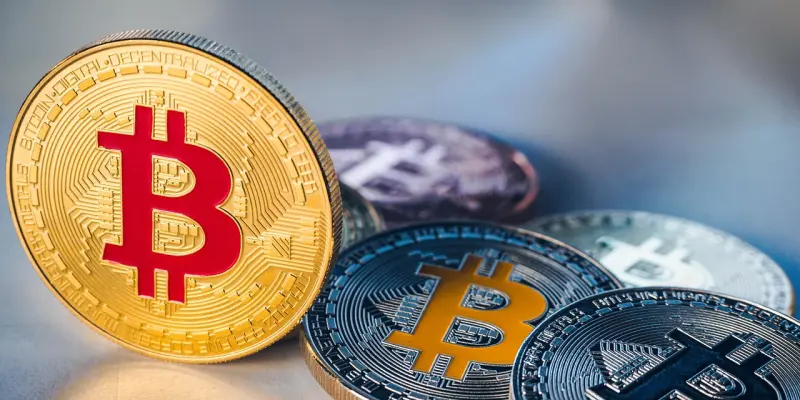
Cryptocurrencies have become a focal point for investors seeking high returns and innovative financial solutions. The excitement surrounding them is palpable, driven by their ability to reshape traditional financial systems and offer new opportunities. Among the myriad of digital assets, Solana (SOL), Ripple (XRP), and Mutuum Finance (MUTM) stand out due to their unique features and market potential. This analytical comparison delves into these three cryptocurrencies to determine which one is most likely to reach a new all-time high first.
Solana (SOL): The High-Performance Blockchain
Solana has garnered significant attention for its high-performance blockchain, which supports decentralized applications (dApps) with exceptional transaction speeds and low costs. This efficiency has made Solana a preferred choice for developers, particularly in the decentralized finance (DeFi) and non-fungible token (NFT) sectors. Solana’s ecosystem has expanded rapidly, attracting numerous developers and projects. This growth is largely due to Solana’s ability to process thousands of transactions per second, offering a scalable solution that many other blockchains struggle to match. The previous market cycle saw Solana reach a peak price of $260, driven by increasing adoption and positive market sentiment.
Analysts are optimistic about Solana’s future, citing ongoing network upgrades and scalability improvements as key factors that could drive another rally in the next bull market. Additionally, Solana’s partnerships with key projects and its ability to attract institutional interest further bolster its potential for reaching new highs. The combination of technological prowess and strategic alliances places Solana in a robust position for continued growth. Despite short-term market fluctuations, the long-term outlook for Solana remains positive. Its robust technological infrastructure, expanding ecosystem, and ability to attract both developers and institutional investors underpin its prospects for significant future gains.
Ripple (XRP): Revolutionizing Cross-Border Payments
Ripple’s XRP is well-known for its utility in cross-border payments, functioning as a bridge currency that facilitates fast and cost-efficient international transactions. During the 2017 bull run, XRP achieved its previous all-time high of $3.84, a benchmark that analysts believe could be surpassed due to its practical applications in global payments. Recent positive developments in Ripple’s ongoing legal battles with the U.S. Securities and Exchange Commission (SEC) have renewed investor confidence. Regulatory clarity could significantly impact XRP’s adoption and price performance, making it a critical factor to watch.
The expansion of Ripple’s On-Demand Liquidity (ODL) platform, which leverages XRP for seamless international payments, continues to attract financial institutions and enterprise-level clients. The potential approval of an XRP-focused Exchange-Traded Fund (ETF) is another critical factor that could drive significant price growth, positioning XRP as a strong contender for re-achieving or even surpassing its previous highs. The advantages Ripple offers in terms of transaction speed and cost efficiency are resonating with businesses and financial institutions. These attributes, combined with favorable legal and regulatory outcomes, could catalyze substantial upward momentum for XRP.
The growing adoption of XRP by major institutions and the practical applications of its technology in the financial industry underscore its potential for reaching new heights. As regulatory clarity improves and the ecosystem expands, XRP is well-positioned to capitalize on these developments, drawing in new investors and further solidifying its role in global payments.
Mutuum Finance (MUTM): The Emerging DeFi Contender
Mutuum Finance is an emerging decentralized lending protocol quickly gaining recognition for its structured approach to borrowing and lending crypto assets. The protocol distinguishes itself with its robust dual-market structure: Peer-to-Contract (P2C) and Peer-to-Peer (P2P). This innovative design provides security and flexibility, catering to different investor preferences. Currently in its presale phase, MUTM offers early participants the opportunity to secure tokens at their lowest price, starting at $0.01 with a launch price anticipated at $0.06. Projections suggest a significant return by the token’s launch and beyond, with potential gains around 2000%. This exceptionally low entry price is creating urgency among investors, fostering a sense of FOMO (fear of missing out).
Mutuum Finance also plans to introduce a fully collateralized stablecoin pegged to the U.S. dollar, enhancing the platform’s utility and stability. The launch of a beta version of the platform is expected to drive immediate demand and increase the token’s price. The strong community interest and expert analysis both indicate that MUTM’s practical use case and innovative market design position it as a potential high-growth token in the DeFi space. Mutuum Finance’s unique offering in the DeFi landscape is further strengthening its market positioning.
Overarching Trends and Consensus Viewpoints
Across these cryptocurrencies, a few common themes emerge that highlight their potential for reaching new all-time highs. Technological advancements are a significant driver, with each token leveraging advanced blockchain technology to solve specific problems. Solana’s fast and low-cost transaction speeds, Ripple’s utility in cross-border payments, and Mutuum Finance’s structured lending markets all showcase the innovative solutions these cryptocurrencies offer.
Growing ecosystems also play a crucial role. Solana’s expanding developer and dApp projects, Ripple’s enterprise-level clients for its ODL platform, and Mutuum Finance’s presale and roadmap indicate strong community engagement and investor interest. These growing ecosystems not only increase each project’s credibility but also enhance their long-term viability and potential for adoption. Market adoption is another key factor. Increasing integration within blockchain and financial systems is driving potential new highs. Solana’s rapid adoption in DeFi and NFT sectors, Ripple’s applications in global payments, and Mutuum Finance’s entry into decentralized lending all point towards growing use cases and market penetration.
Regulatory milestones, particularly for Ripple, significantly shape investor sentiment and market performance. Positive progress in Ripple’s legal battles with the SEC has bolstered investor confidence, suggesting that favorable regulatory outcomes could act as major catalysts for price growth. Early investment opportunities, especially for Mutuum Finance, offer investors a chance to secure tokens at a significant discount. This strategy aims to maximize potential returns as the project gains traction and goes live, highlighting the attractiveness of getting in early on promising projects. The clear and organized approach of Mutuum Finance adds to its appeal.
Emerging Market Dynamics
Cryptocurrencies have captured the attention of investors who are on the lookout for high returns and groundbreaking financial solutions. The buzz surrounding these digital assets is undeniable, largely due to their potential to transform traditional financial systems and introduce new opportunities. Among the vast array of cryptocurrencies, Solana (SOL), Ripple (XRP), and Mutuum Finance (MUTM) have distinguished themselves because of their unique features and high market potential. This analysis aims to compare these three cryptocurrencies to ascertain which one is most poised to reach a new all-time high first. Solana is renowned for its high transaction speed and low costs, making it a favorite for developers. Ripple focuses on facilitating cross-border payments and boasts partnerships with major financial institutions. Mutuum Finance, though newer, offers groundbreaking decentralized finance solutions. Understanding the strengths and market momentum of these digital assets will help investors make informed decisions about which one might soon hit unprecedented price levels.